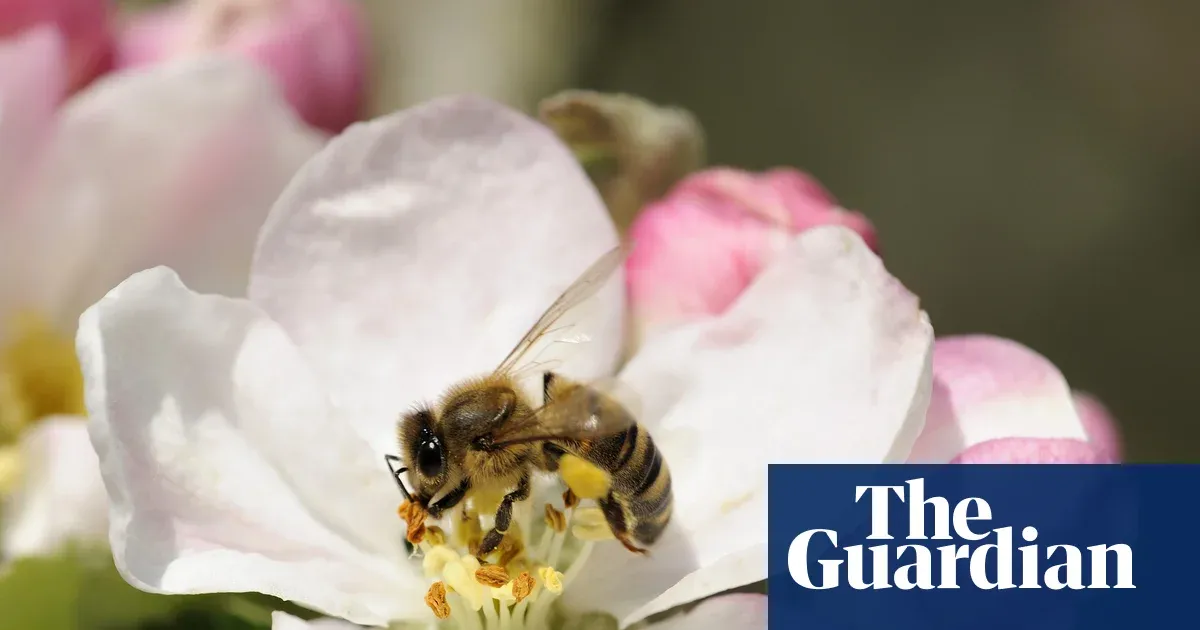
Good news, bees: a little extra something in your diet might just help you survive the next cold snap. Early research suggests that a specific food supplement could give honeybees a leg up when temperatures drop, offering a novel way to help protect our tiny, fuzzy friends in a changing climate.
Scientists ran some tests and found that worker bees given a mix of probiotics and inulin (a plant-based prebiotic, think of it as a fiber for their gut) survived long cold periods far better than their counterparts munching on a regular sugar diet. Because apparently that's where we are now: giving bees superfoods.
Now, for the slightly less sunny news: these supplements didn't do much against the other extreme. In lab tests cranked up to a blistering 40C (104F), all the bees checked out within days, regardless of their diet. Even the super-dosed bees only lasted a hair longer. So, not a magic bullet for heatwaves, but a promising lead for the deep freeze.
We're a new kind of news feed.
Regular news is designed to drain you. We're a non-profit built to restore you. Every story we publish is scored for impact, progress, and hope.
Start Your News DetoxThe Gut Feeling About Bee Health
Dr. Najmeh Sahebzadeh, a lead scientist from the University of Zabol, Iran, pointed out that bees are currently getting hit from all sides: food shortages, diseases, and wild weather. This study, she says, is a crucial step for both bee health and the entire food system that relies on them.
Peter Graystock, an assistant professor at Imperial College London, highlighted something equally fascinating: this research hints that the microbes inside bees might be key players in how they handle climate shifts — a pretty under-explored avenue until now.
Of course, a few caveats. This was a lab study with isolated bees in cages. Real-world colonies, with thousands of bees fanning their wings to cool the hive, might react differently to heat. Still, Graystock notes there's a limit to what even the most dedicated bee fanning can achieve.
Honeybees are the unsung heroes of modern agriculture, essential for pollinating countless crops. Managed colonies are regularly trucked around to help fields flourish. So, anything that helps them thrive is a big deal.
Graystock believes supplements could be a game-changer for surviving winter, a notoriously risky time when bees can't forage and have to rely on stored food. But before we all start stocking up on bee probiotics, he cautions that more research is needed to see if these benefits scale up to full colonies in the wild.
And here's the kicker: supplements aren't a get-out-of-jail-free card. Sahebzadeh stressed they help with immediate stress, not the root problems like dwindling forage, shattered habitats, and pesticides. She insists supplements should be a sidekick to conservation efforts, not the main hero. Graystock agrees, hoping that artificial feeding doesn't become the norm. Because if it does, it means our landscapes aren't healthy enough for bees to just be bees. Which, if you think about it, is both impressive and slightly terrifying.