Picture this: you're a tiny sea turtle hatchling, fresh out of the sand, making a desperate dash for the ocean. It's a perilous journey, full of hungry birds and the existential dread of being, well, a tiny sea turtle. Now imagine, mid-scramble, you trip over a discarded balloon piece. Or get utterly confused by a rogue floodlight.
Turns out, nearly all sea turtle species are endangered, and our beach habits aren't exactly helping. But marine biologist Katherine Sayler, who clearly has a soft spot for these ancient mariners, says a few minor tweaks to your next sandy excursion could make a world of difference. She’s seen it all: plastic debris tangled in hatchling tracks, bright lights leading turtles astray, and enough sandcastles to form a small, confusing kingdom.
The Ryan Gosling Rule of Trash
Sayler, working with Defenders of Wildlife, recently spotted sea turtle nests, then noticed plastic bits — straws, bottle caps, those tiny balloon remnants that seem to follow us everywhere — right inside the tracks. Her takeaway? Turtles, especially the itty-bitty ones, might mistake that plastic for a tasty snack. Which, if you think about it, is a pretty depressing last meal.
We're a new kind of news feed.
Regular news is designed to drain you. We're a non-profit built to restore you. Every story we publish is scored for impact, progress, and hope.
Start Your News DetoxHer solution? The Ryan Gosling Rule: Leave the beach cleaner than you found it. Pack an extra bag. Collect trash. Because even if you don't immediately see it, plastic pollution is like that one distant relative — it’s probably there.
Turn Down the Lights, Please
Staying overnight near the coast? Sayler implores you to dim the lights. Pull those shades. Turn off that glaring pool light that screams, "Hey, ocean's over here!" when the ocean is, in fact, over there. Bright, artificial lights disorient both nesting turtles and their hatchlings, who rely on natural light cues to find their way home. It’s like trying to navigate a dark room while someone shines a flashlight in your face. Rude.
Flatten the Landscape
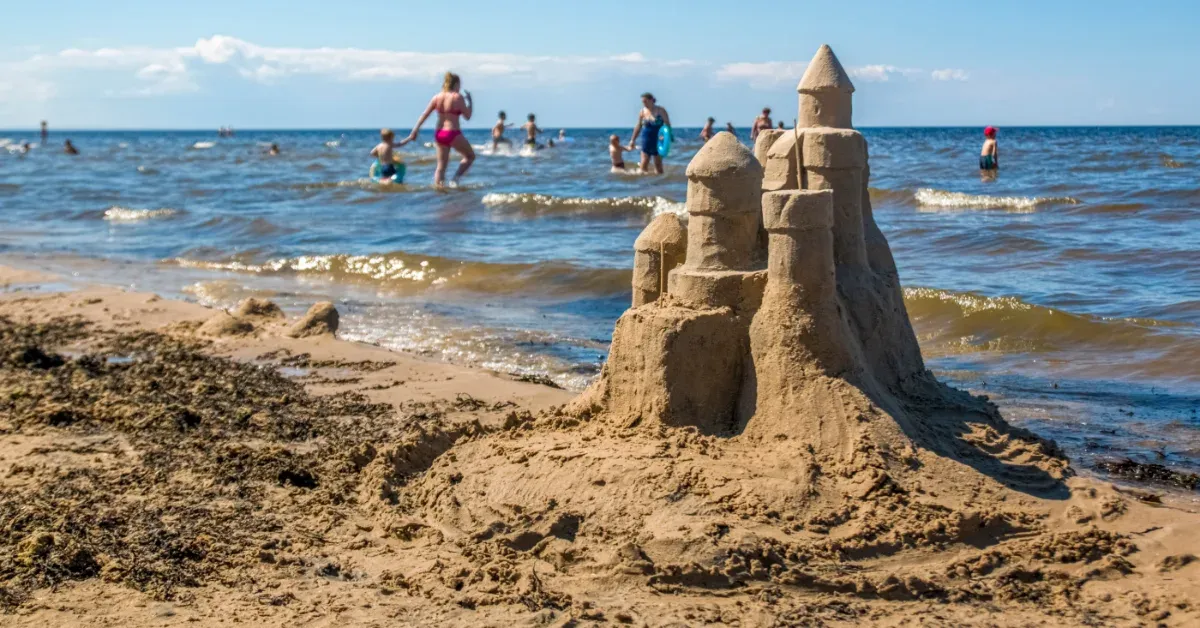
Finally, Sayler advises leaving the beach flat. Your beautifully sculpted moat around a sandcastle? A potential death trap for a baby turtle. That impressively deep hole you dug? A delightful obstacle course for a creature whose primary goal is to not get eaten. Before you pack up your shovels and buckets, fill in those holes and flatten those magnificent sand structures. Give the turtles a clear path.
Sayler sums it up with a mantra that should probably be on a t-shirt: "Keep beaches dark, flat, and clean." Because helping sea turtles recover isn't just for the marine biologists. It’s for anyone who enjoys a good beach day and doesn't want to accidentally contribute to an ancient species' bad day.