Remember being a kid and seeing a mountain you wanted to climb, only to be told it was actually a giant, festering pile of garbage? That rather indelible memory stuck with Kanika Ahuja, founder of Lifaffa, and eventually led her down a path that would transform literal trash into serious treasure.
Her parents, Anita and Shalabh Ahuja, had started Conserve India in 1998, an NGO that initially focused on energy efficiency before pivoting to Delhi's ever-growing plastic waste problem. Kanika, despite her father's initial insistence she steer clear of the NGO world, found herself drawn back. After engineering, an MBA, and a stint in market research, she realized her true calling was in the development sector.
By 2016, she was officially part of the family business, but felt their work had become a little too export-focused. So, in 2017, Lifaffa was born: a brand dedicated to upcycling plastic into desirable products for India, the USA, and Europe. Because apparently, that's where we are now — wearing trash, but chic trash.
We're a new kind of news feed.
Regular news is designed to drain you. We're a non-profit built to restore you. Every story we publish is scored for impact, progress, and hope.
Start Your News DetoxThe Art of the Upcycle
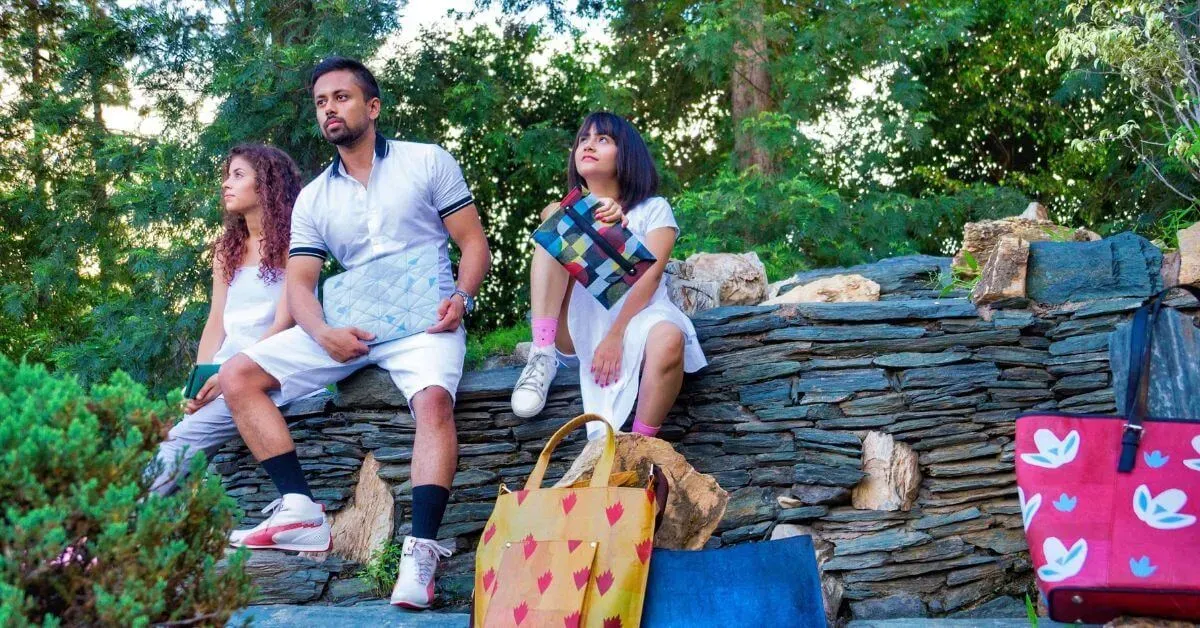
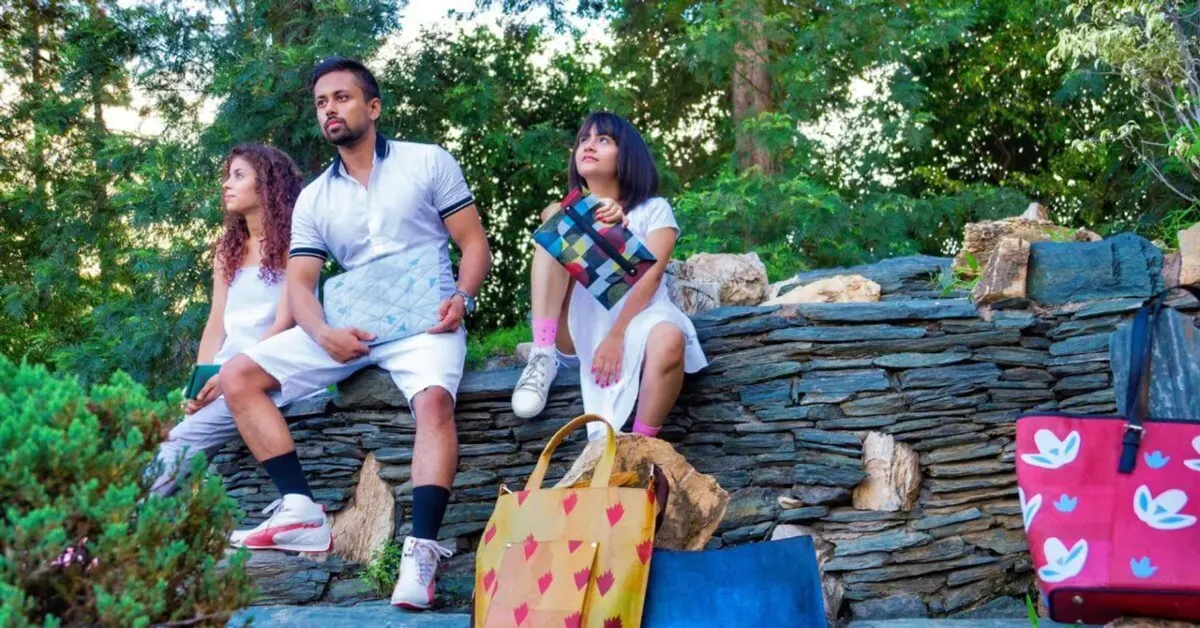
Lifaffa now diverts about 12 metric tonnes of plastic waste from landfills every year, transforming it into wallets, bags, laptop sleeves, and even table mats. This isn't just a feel-good story; it's a financial one. Last fiscal year, the brand pulled in over ₹1 crore in revenue. Let that satisfying number sink in.
With early funding from Ashoka, a global venture fund, Lifaffa developed a proprietary method to turn single-use plastic into a new, durable fabric. They even leverage the vibrant, chaotic colors of discarded plastic bags to create unique patterns. In a brilliant move, Lifaffa launched at Lakme Fashion Week in 2017, proving that sustainable fashion doesn't have to look like a potato sack.
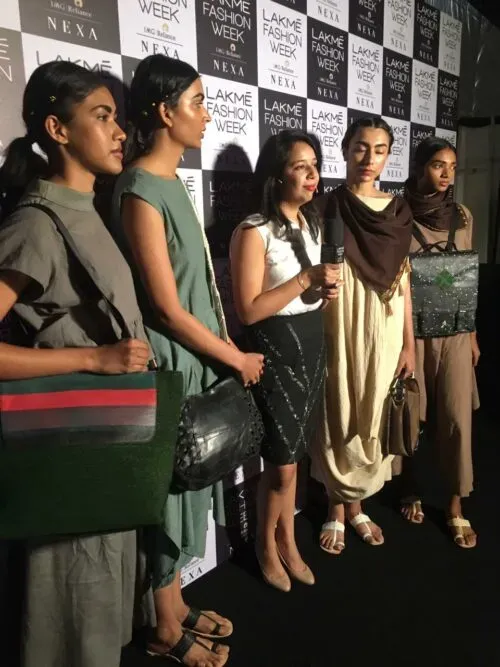
Despite a pandemic-induced wobble, Lifaffa is back on track, upcycling roughly a tonne of plastic monthly. Their secret? Offering stylish, high-quality alternatives to leather that appeal to a growing market of eco-conscious consumers. As customer Mahima Harjai puts it, Lifaffa makes sustainable choices accessible and budget-friendly. Which, if you think about it, is both impressive and slightly terrifying for the leather industry.
Shifting Perceptions, Empowering Lives
Beyond the fashion, Lifaffa is a force for good, employing 200 waste workers and 300 artisans, many of whom are women and refugees. Iram Ali, an artisan who’s been with the company for eight years, finds it "fascinating" to transform plastic into beautiful items. A group of 40 women meticulously crafts these products, earning around ₹8,000 for a month's work, making everything from bags to table trays. Kanika also collaborates with Afghani refugee women, tapping into their traditional craft skills to create truly unique accessories.
Kanika's vision even caught the eye of the United Nations and Lakmé Fashion Week, landing her a spot in the 2019 Circular Design Challenge, chosen from 900 applicants. Talk about making a statement.

But the biggest hurdle? Changing mindsets. Kanika admits people still balk at paying for something made from "waste." While progress is happening, the journey to convince everyone that upcycled plastic can be both sustainable and trendy — and worth every penny — continues. Because sometimes, the most valuable things are found in the trash. Literally.