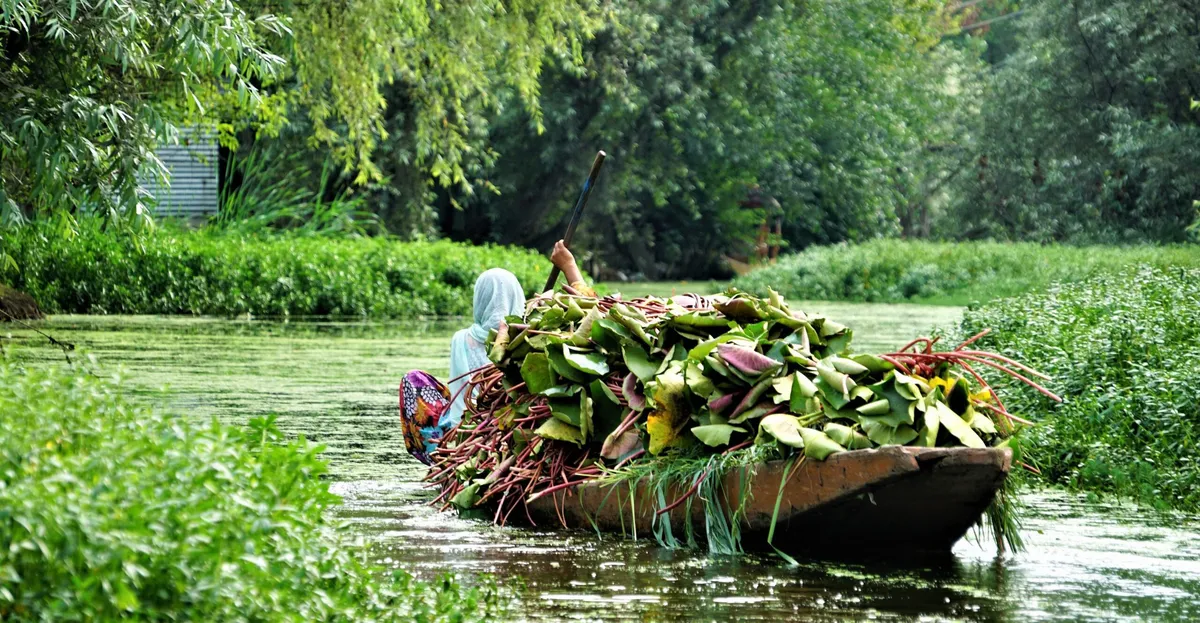
When winter arrives in India, kitchens don't quiet down—they become the center of everything. From Kashmir's mountains to Kerala's backwaters, winter foods are how communities mark time, pass down memory, and quite literally keep warm. Each dish carries centuries.
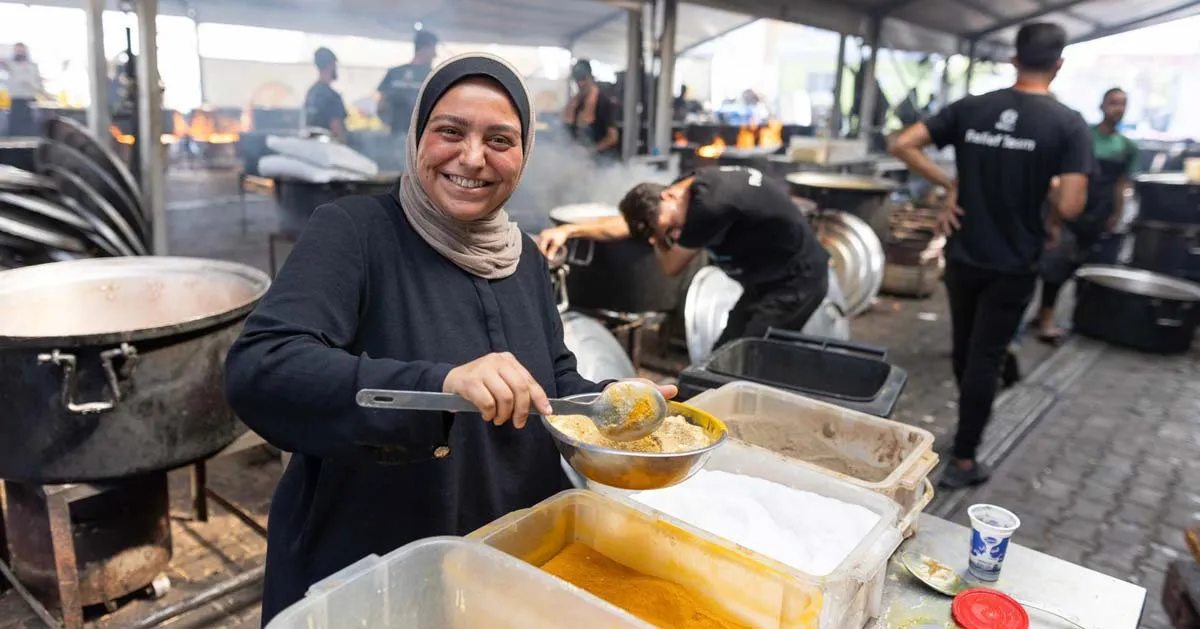
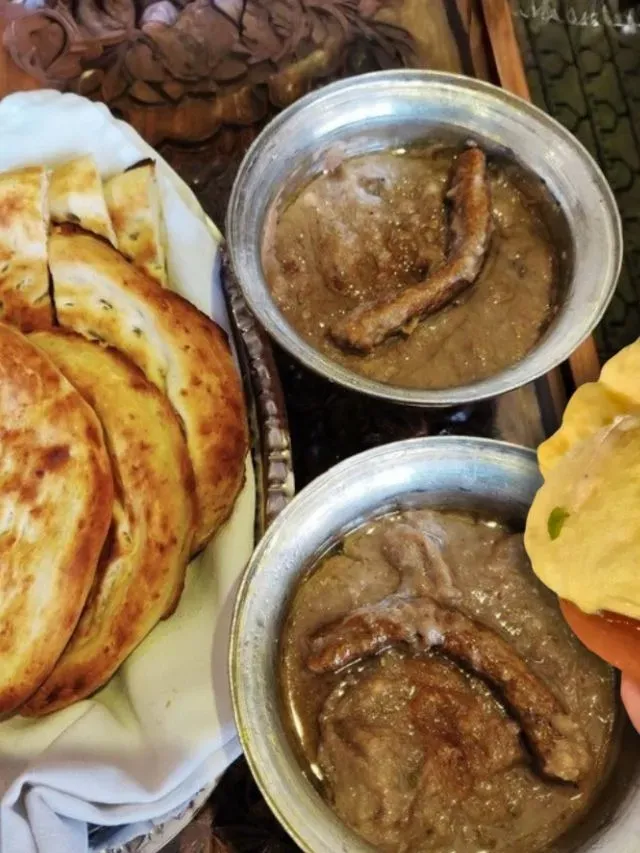
In Kashmir, families gather around the dek—a large, heavy-bottomed pot—to make harisa. Mutton, rice, and spices go in at dawn. Someone stirs constantly for the next 24 hours. By evening, the dish has broken down into something almost creamy, almost porridge-like, deeply savory. Afghan rulers brought the recipe centuries ago, but what matters now is the ritual: the rotation of stirrers, the smell filling the house, the moment everyone sits down together to eat something that took a full day to become itself.
Varanasi's malaiyo exists in a narrower window. It appears only in winter, only in the early morning, and only for a few hours. The dessert is made from the froth that forms on milk left out in the cold night air—a delicate, almost weightless thing that melts on your tongue and disappears by noon. Delhi has its own version called daulat ki chaat; Lucknow has nimish. These aren't recipes that traveled easily or scaled up. They're tied to specific seasons, specific cities, specific mornings.
We're a new kind of news feed.
Regular news is designed to drain you. We're a non-profit built to restore you. Every story we publish is scored for impact, progress, and hope.
Start Your News DetoxMove west to Gujarat, and you'll find methi pak—a sweet made with fenugreek, ghee, and jaggery. Families make it together in winter, often gifting it to new mothers. The fenugreek isn't just for flavor; it's believed to boost immunity and support recovery. The sweetness is secondary to the purpose.
In Assam and Bihar, sesame seeds become the star. Til pitha during Magh Bihu in Assam, tilkut in Bihar—both golden, caramel-like, connecting the harvest season to community gatherings. Each sweet is a small acknowledgment that the land has provided, and winter is the time to celebrate that.
Tamil Nadu's approach is different. Pepper rasam—a soup that's tangy, spicy, earthy—sits somewhere between medicine and comfort food. It's not sweet. It doesn't announce itself. But it fills a bowl and a room with warmth, and it works. High in the Himalayas, in Sikkim and Arunachal Pradesh, chhang—a fermented drink made from millet or barley, sometimes enriched with eggs—serves a similar purpose in a different climate. It's rustic, it's communal, it warms from the inside.
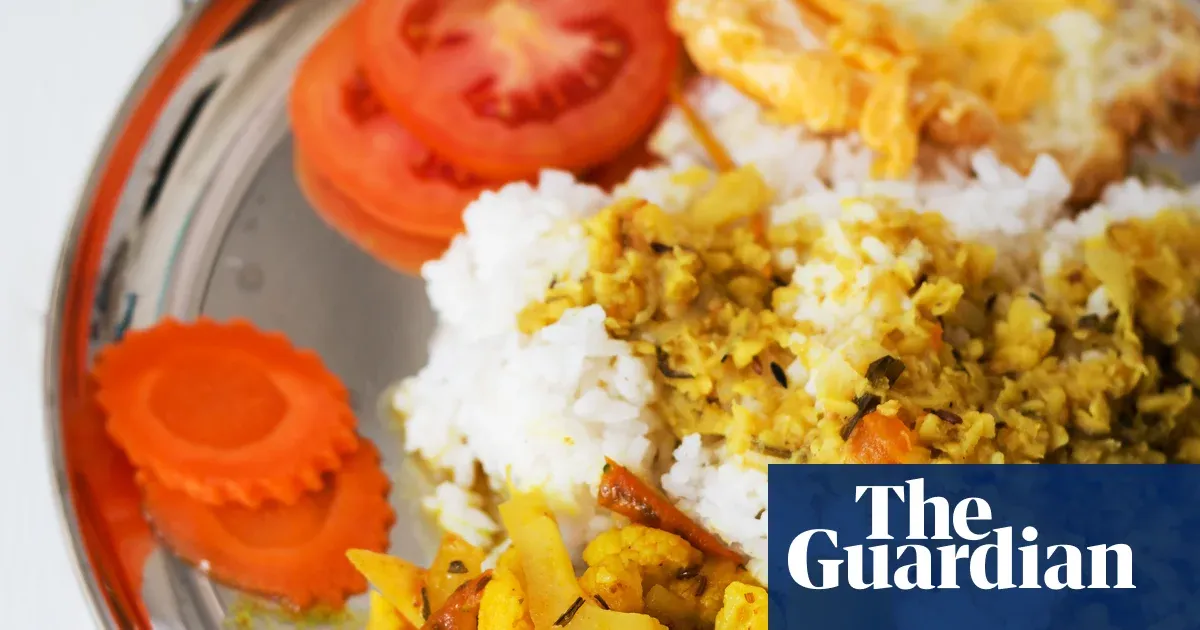
Kerala's beetroot thoran brings color to winter plates: beetroot stir-fried with coconut and spices. It's simpler than harisa, quicker than malaiyo, but it carries the same logic—using what grows in the season, prepared in ways that have worked for generations.
What ties these foods together isn't a single ingredient or cooking method. It's that each one emerged from a specific place, a specific climate, a specific community's understanding of what the body needs when the temperature drops. They're not optimized for speed or shelf-life. They're optimized for gathering, for ritual, for the knowledge that winter is long and food is how you survive it together.
As India's seasons shift and food systems change, these dishes remain—still made, still shared, still connecting people to their grandmothers' kitchens and to the land beneath their feet.