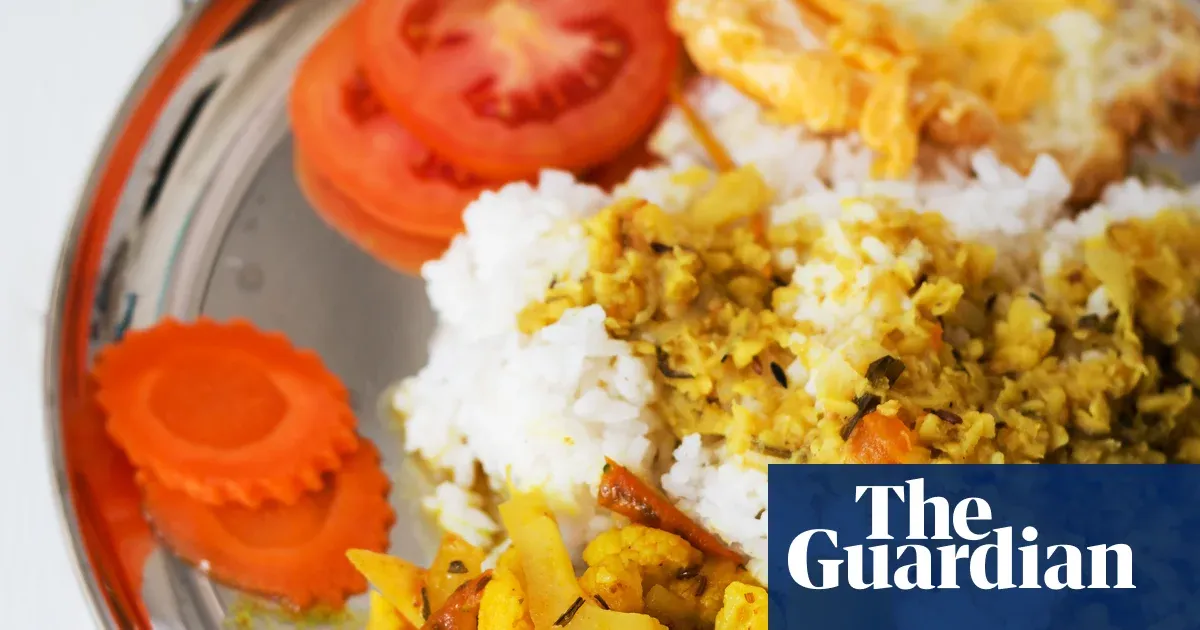
One in five Nepalis over 40 has type 2 diabetes. For most of them, medication isn't an option—it's too expensive. But a series of studies suggest the answer might have been on their plates all along: dal bhat, the simple combination of lentils and rice that's sustained Nepal for generations.
In a pilot study of 70 hospital patients with long-standing diabetes, 43% achieved remission by switching to a calorie-controlled traditional diet. An expanded trial with 120 people in villages around Kathmandu showed even more striking results. After four months eating yogurt, fruit, lentils, and dal bhat—swapping white rice for brown—around half were free from diabetes entirely. They lost an average of 4–5 kg.
"It is very early days but around half are free from diabetes at four months, with an average weight loss of only 4-5kg," says Professor Mike Lean from the University of Glasgow, who leads the research.
We're a new kind of news feed.
Regular news is designed to drain you. We're a non-profit built to restore you. Every story we publish is scored for impact, progress, and hope.
Start Your News DetoxThere's a genetic piece to this story. People of South Asian descent are more susceptible to type 2 diabetes and develop it with less weight gain than Europeans. But the flip side matters: they also need to lose less weight to reverse it—roughly half what's required in the UK. This makes the intervention remarkably achievable.
The diet being tested is straightforward: calorie-controlled portions of foods most Nepalis already eat. No exotic supplements, no expensive meal plans. The genius is in the delivery. Rather than funneling people through hospitals (which don't have the capacity), the researchers plan to train Nepal's existing network of female community health volunteers to guide families through the dietary shift. It's low-cost, locally rooted, and scalable.
Professor Lean doesn't mince words about what created the crisis: Western processed foods flooding Nepali markets. "They all said: 'if this works in Nepal, it will work for us,'" he recalls of conversations with officials from neighboring countries facing the same pressure. The irony is sharp—countries are watching to see if the answer to a Western problem is a return to what came before.
The expanded trial, now funded by the Howard Foundation, aims to prove this approach doesn't just reverse existing diabetes but prevents it in high-risk people. If it holds, Nepal could become a model for how South Asia responds to one of its fastest-growing health crises. Not through pharmaceutical imports, but through the foods families already know how to prepare.