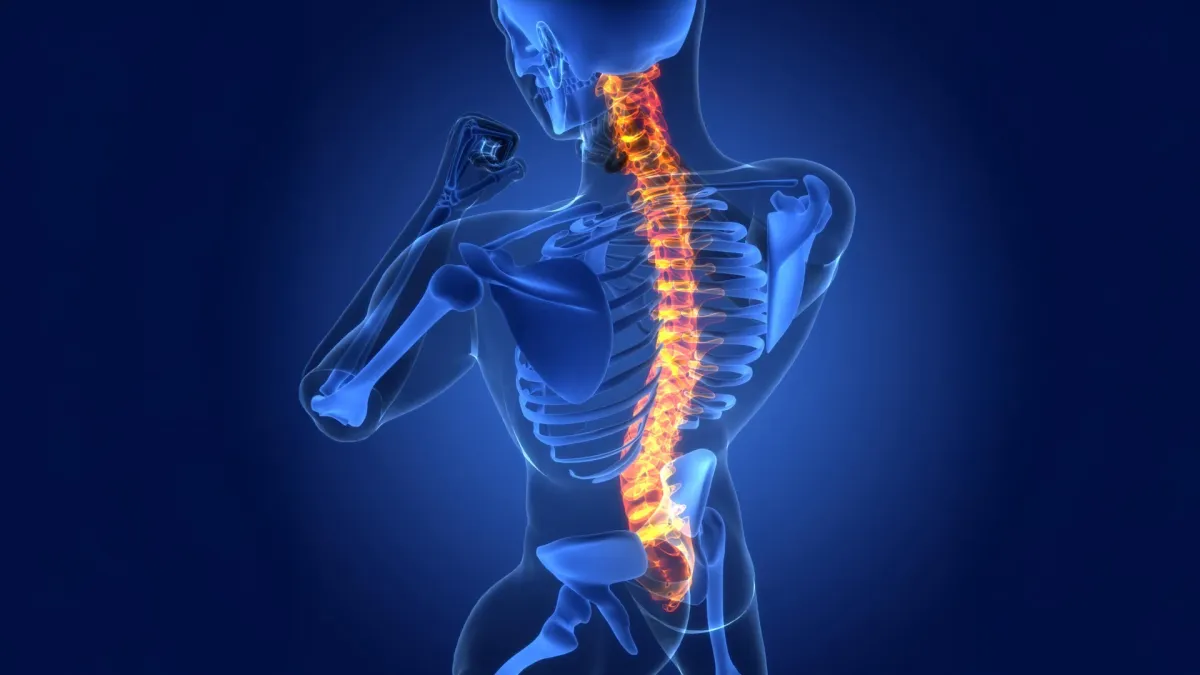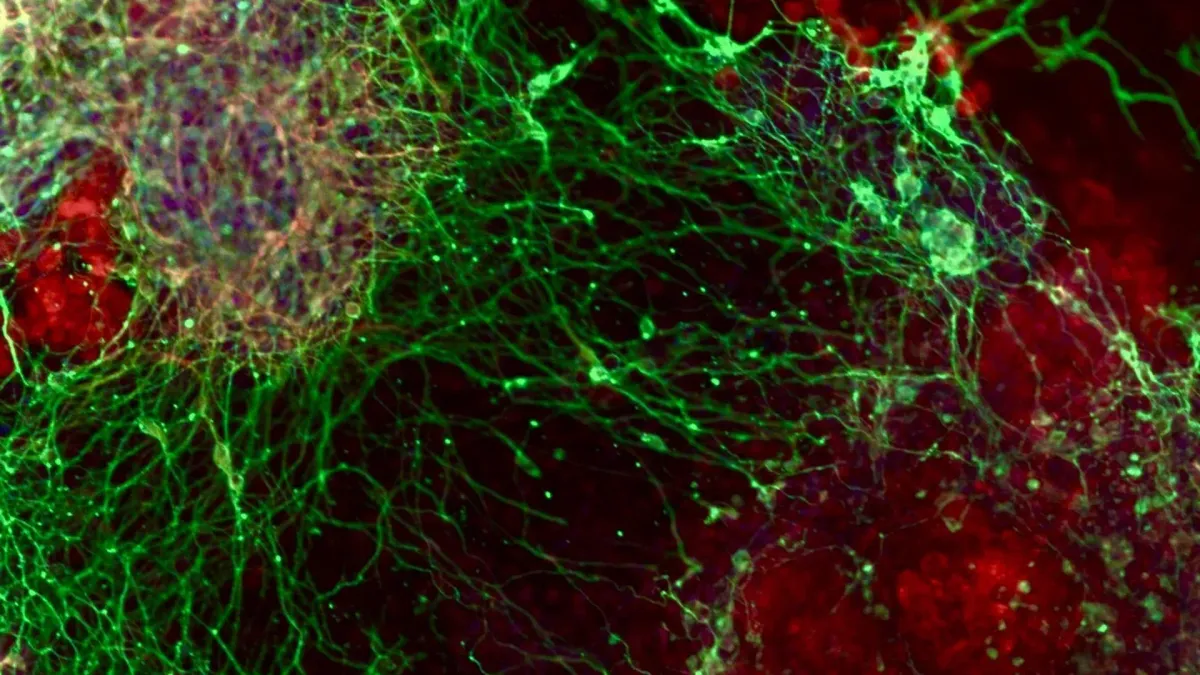
Researchers at Hebrew University have systematically disabled nearly 20,000 genes in embryonic stem cells to identify which ones are essential for brain formation. Using CRISPR gene-editing technology, they turned off genes one at a time and watched what happened as cells transformed into neurons. The result: a detailed map of 331 genes critical to early brain development — many of which had never before been linked to this process.
The work matters because it gives neuroscientists a new reference point for understanding why some brains develop differently. When genes go wrong during these early stages, the consequences can ripple through development, contributing to conditions like autism, developmental delay, and changes in brain size. Now researchers have a clearer picture of which genetic disruptions affect which outcomes.
A Gene, a Disorder, and a Family
Among the discoveries was PEDS1, a gene that had no known role in brain development until this study. The team found that PEDS1 produces plasmalogens, fatty molecules that coat nerve fibers like insulation on a wire. Without PEDS1, nerve cells don't form or migrate properly, and the brain stays smaller than it should.
We're a new kind of news feed.
Regular news is designed to drain you. We're a non-profit built to restore you. Every story we publish is scored for impact, progress, and hope.
Start Your News DetoxThe genetic map pointed to PEDS1 as important, but the real validation came from two unrelated families. In both cases, children with severe developmental delays and smaller brains carried rare mutations in this same gene. The lab experiments confirmed what the families' genetic tests suggested: PEDS1 loss directly disrupts brain development. This discovery opens a pathway to better diagnosis and genetic counseling for families carrying the mutation, and potentially toward targeted treatments down the line.
Timing Matters More Than We Thought
The researchers also created what they call an "essentiality map" — essentially a timeline showing when each gene does its critical work during development. This revealed something unexpected: the genes most important for autism tend to be active during the formation of nerve cells themselves, while genes linked to broader developmental delay are needed across many stages of development. It's a distinction that helps explain why different genetic disruptions can produce overlapping symptoms, and why early changes in how the brain is wired can contribute to autism.
Sagiv Shifman, who led the work, notes that the findings "can help us better understand how the brain develops and identify genes linked to neurodevelopmental disorders that have yet to be discovered." The team has made their entire dataset publicly available online, so researchers around the world can explore the results and build on them — a decision driven partly by PhD student Alana Amelan, who carried out much of the study and built the database itself.
This kind of foundational genetic mapping rarely makes headlines, but it's the work that makes future breakthroughs possible. The next researchers studying brain development won't have to rediscover these 331 genes. They can start asking the harder questions: How do we prevent things from going wrong? How do we intervene when they do?