When Pope Leo XIV became the first Augustinian Pope, a medieval historian realized something had been quietly forgotten: these monks didn't perform the miracles you'd expect.
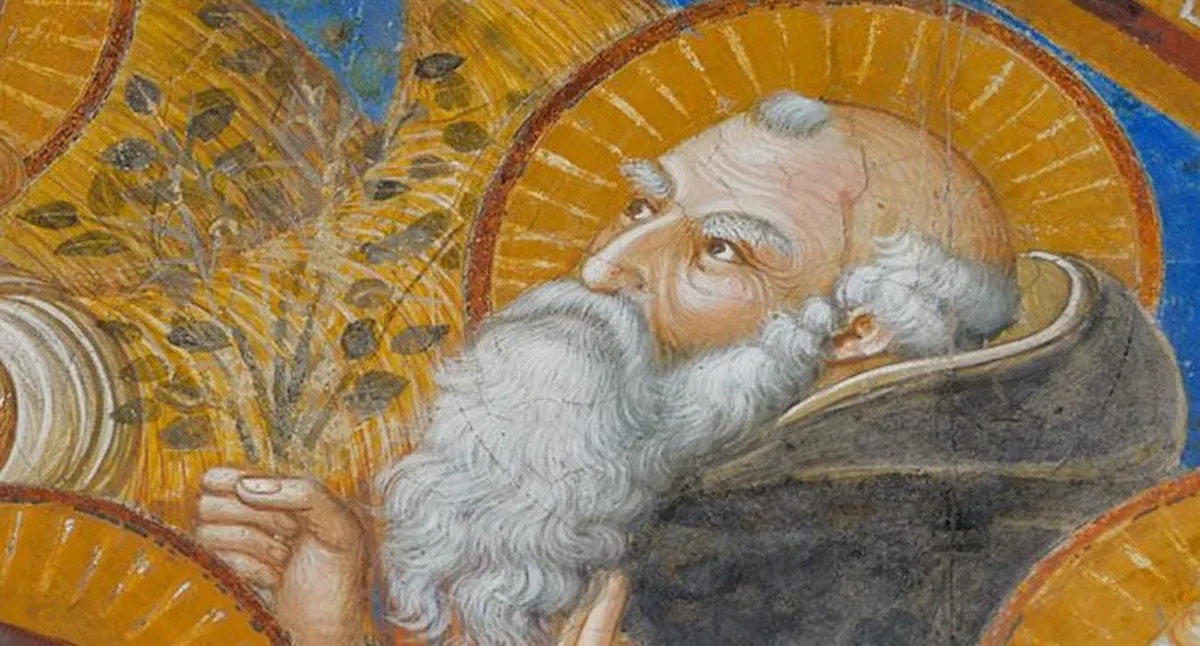
No bleeding hosts. No stigmata. Instead, Dr. Krisztina Ilko at Queen's College discovered that Augustinian friars across medieval Italy were remembered for making cherry twigs sprout from scorched wood, commanding apple trees to fruit reliably, healing broken-legged oxen, and transforming toxic swamps into fertile land.
For a decade, Ilko traveled to over sixty Augustinian sites across Italy, digging through archives in some of the country's most remote ruins. She uncovered frescoes, illuminated manuscripts, and centuries-old letters that had been misdated or wrongly attributed—documents that had essentially erased the Augustinians from their own history.
We're a new kind of news feed.
Regular news is designed to drain you. We're a non-profit built to restore you. Every story we publish is scored for impact, progress, and hope.
Start Your News DetoxThe Farmer-Friars
The earliest collection of Augustinian life stories, written by a Florentine friar in the 1320s, tells of Giovanni of Florence healing a broken-legged ox and Jacopo of Rosia commanding an unreliable apple tree to bear fruit every year. These weren't peripheral details. They were the miracles that mattered most to the rural communities these monks served.
This sets the Augustinians apart from their better-known counterparts. The Franciscans and Dominicans built their authority in cities, performing the spiritual wonders that urban populations expected. The Augustinians, by contrast, were forest and mountain dwellers. Their miracles were agricultural. They promised harvests, healthy livestock, and restored land.
One figure stands out: Guglielmo of Malavalle, a 12th century hermit venerated for killing a dragon with a wooden staff. But Ilko argues the dragon was metaphorical—a symbol for the toxic air and barren conditions of the "bad valley" (Maravalle) where Guglielmo lived. His real miracle was purifying the land and restoring it to fertility, providing the local people with something far more valuable than a slain beast: a livable landscape.
"Guglielmo was a pitchfork-wielding dragon slayer and divine gardener all at once," Ilko writes. "Commanding the weather, securing a good harvest, and restoring the health of livestock must have seemed the most desirable divine interventions in the late medieval countryside."
Why This Mattered
The Augustinians lacked the compelling origin story of other orders. They had no charismatic founder to rally around. What they had was direct contact with nature—and they weaponized it. By claiming spiritual authority over agriculture and the land itself, they proved to the Vatican and to local communities that they held real power. They could deliver what mattered: food security, healthy animals, restored soil.
In the medieval countryside, that was as miraculous as it got.
Ilko's findings appear in her new book, The Sons of St. Augustine: Art and Memory in the Augustinian Churches of Central Italy, which traces how these eco-conscious friars built legitimacy not through spectacle, but through their intimate connection to the natural world.