When the crops are ready, something shifts. Families gather. Food appears on tables that's been months in the making. Across India, harvest festivals mark this moment—not just as a practical turning point, but as a deliberate pause to say thank you.
These celebrations exist because farming is unpredictable. A successful harvest isn't guaranteed. So when the grain comes in, communities gather to honour what it took to get there: the sun, the soil, the cattle, the labour, the seasons turning as they should.
The festivals that mark the year
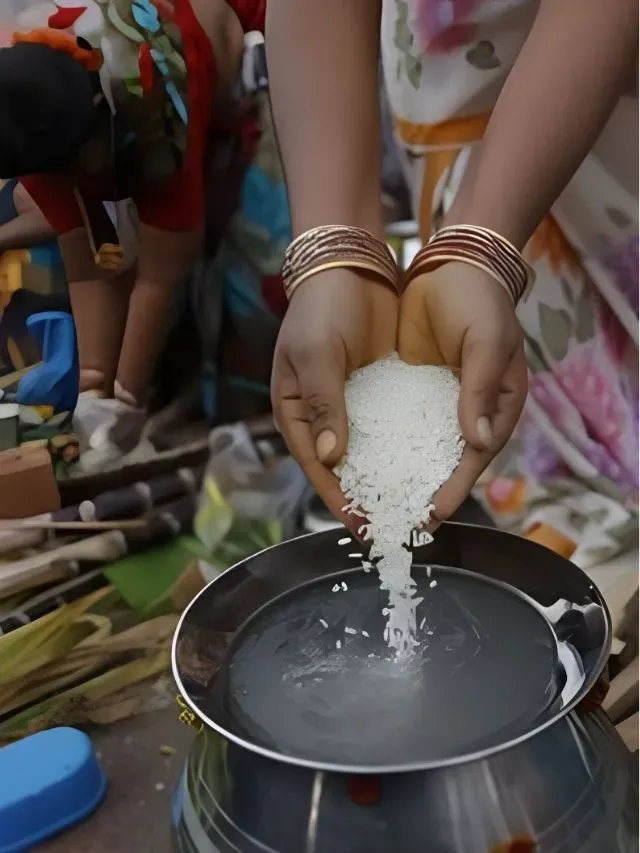
In Tamil Nadu, Pongal arrives when the rice is ready. Families cook fresh rice with milk and jaggery in new pots—the word itself means "overflow"—and thank the sun and cattle for their role in the harvest. It's a meal that tastes like gratitude.
We're a new kind of news feed.
Regular news is designed to drain you. We're a non-profit built to restore you. Every story we publish is scored for impact, progress, and hope.
Start Your News DetoxMarker Sankranti, celebrated across North India, marks the sun's northward turn and the arrival of winter harvests. Kite flying fills the skies. Til laddoos—sesame sweets—appear in homes. River rituals signal that longer days are coming.
In Punjab, Baisakhi celebrates the wheat harvest with fairs, bhangra dancing, and shared meals. It's also the Punjabi New Year—a moment when the calendar and the crops align. Farmers mark a season's success with music and community.
Keralites gather for Onam, where the rice harvest meets floral designs called rangoli, boat races on backwaters, and the Onam sadya—a grand vegetarian meal built entirely from what the season offers. It's a direct translation of abundance into food.
In Assam, Magh Bihu marks the end of harvest season. Communities light bonfires together and cook traditional food side by side. It's a celebration of rest—the earned pause after months of farm work.
Odisha's Nuakhai brings families together to share the first rice of the season, strengthening bonds that farming demands. In Meghalaya, the Garo community's Wangala honours the harvest with drum dances and feasts that celebrate nature, ancestors, and the farming cycle itself.
What these festivals share is a refusal to treat food as abstract. They're a yearly reminder that meals don't start in supermarkets. They start with soil, weather, and the people who tend both. In a world where most of us buy food wrapped and labelled, these celebrations keep that connection visible—not as nostalgia, but as ongoing reality for millions of farmers across the country. The harvest isn't just food. It's the moment when gratitude becomes ritual, and ritual becomes how communities stay rooted.