A 2015 dam collapse in Minas Gerais, Brazil released mining waste across thousands of acres of farmland. Nearly a decade later, researchers have found that crops grown in those contaminated soils—bananas especially—can absorb dangerous levels of heavy metals, posing a particular threat to children under six.
The Fundão dam failure was catastrophic. It released 55 million tons of iron mining tailings, burying villages and poisoning waterways across the region. What's less visible is what happened to the soil itself. The tailings left behind contain elevated concentrations of cadmium, chromium, copper, nickel, and lead—elements that don't break down. They just sit there, waiting to be drawn up through plant roots.
A team from universities across Brazil and Spain, led by Amanda Duim at the University of São Paulo, spent years tracking how these metals move from contaminated soil into edible crops. They analyzed bananas, cassava, and cocoa grown in affected areas, measuring heavy metal concentrations in roots, stems, leaves, and fruit.
We're a new kind of news feed.
Regular news is designed to drain you. We're a non-profit built to restore you. Every story we publish is scored for impact, progress, and hope.
Start Your News DetoxWhat the crops absorbed
The pattern varied by crop. Bananas and cassava accumulated most metals in their underground parts—roots and tubers—where they're less likely to reach a dinner plate. Cocoa was different. It pulled metals up into the fruit itself, with copper and lead levels exceeding FAO safety limits.
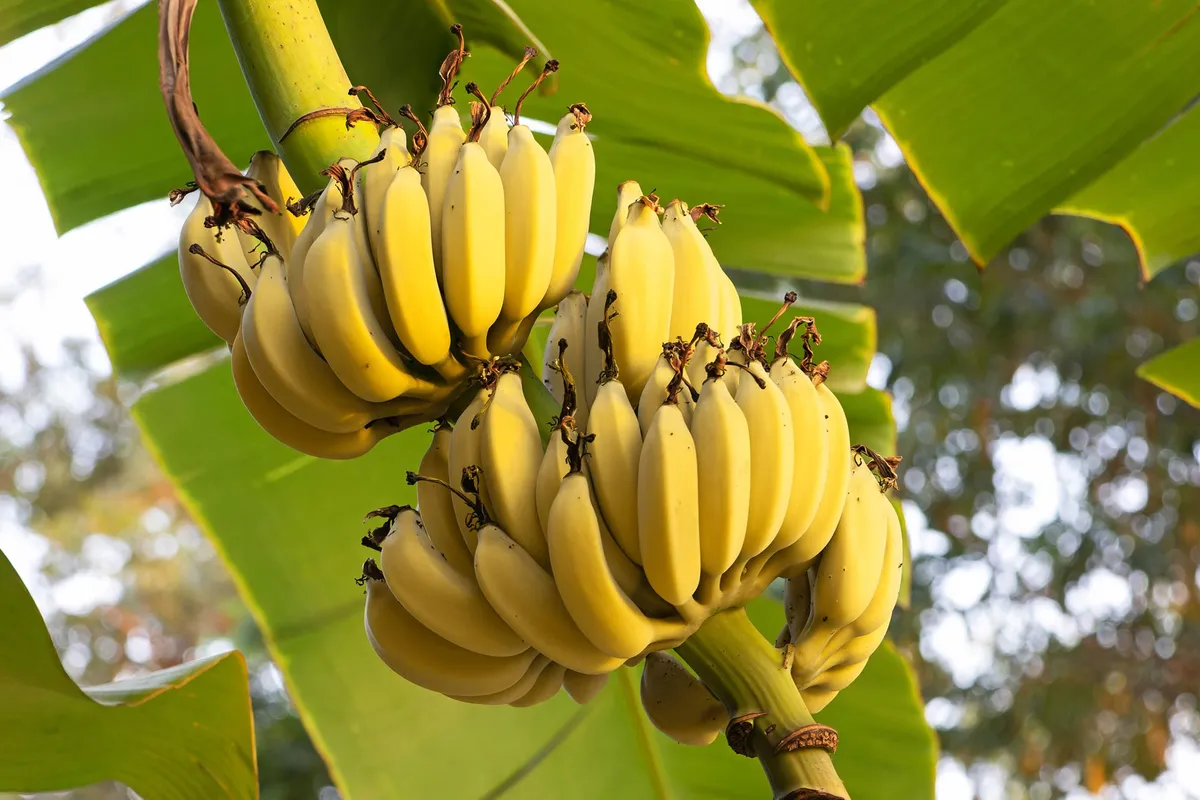
But bananas posed a different kind of problem. The lead and cadmium concentrations in banana fruit were high enough that children eating them regularly faced measurable health risks. When researchers calculated risk quotients for children under six, bananas crossed the safety threshold. For adults, the same bananas fell within acceptable limits.
This age gap matters. Lead exposure in young children—even at low doses—can cause irreversible neurological damage: reduced IQ, attention problems, behavioral disorders. The developing brain is far more vulnerable than an adult's.
"Our group has been studying the impacts of the dam collapse for years," explains Tiago Osório, an agronomist at USP. "We obtained the first samples seven days after the accident and immediately understood that there was an imminent risk of contamination. But the question remained: Does this contamination pose a risk to human health?"
The research, published in Environmental Geochemistry and Health, answers that question with a qualified yes—at least for the youngest eaters in affected communities.
There's also a longer timeline to consider. Chromium, nickel, and cadmium are known carcinogens. Over a lifetime—Brazil's life expectancy is around 75 years—repeated low-level exposure can accumulate. The researchers warn that prolonged consumption of crops grown in these soils may increase cancer risk through direct and indirect DNA damage.
The immediate concern is straightforward: families living near the dam collapse zone who grow or buy local bananas need to know the risk. The broader concern is systemic. Mining disasters leave permanent scars on soil. Without active remediation or long-term monitoring, contamination persists for generations.
Further research is underway to map exactly which areas remain most affected and to develop strategies for either cleaning the soil or steering families toward safer food sources. For now, the research serves as a reminder that environmental disasters don't end when the headlines do.