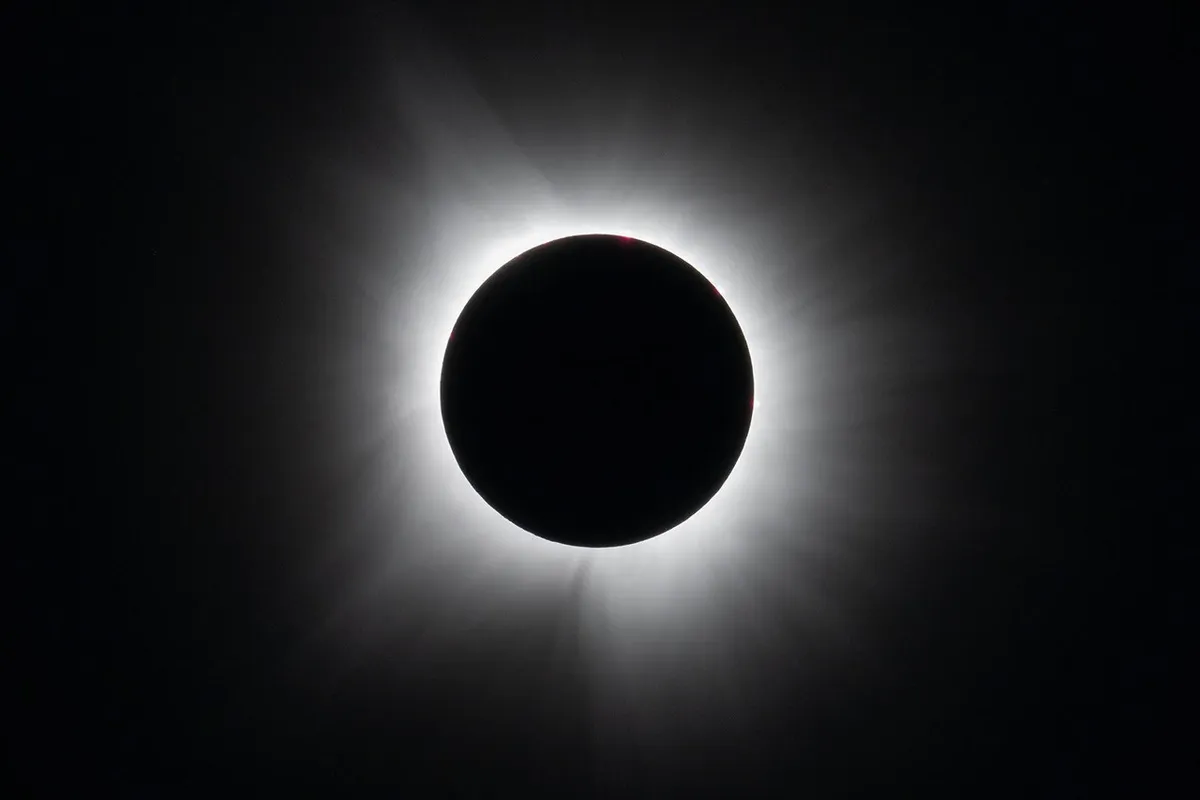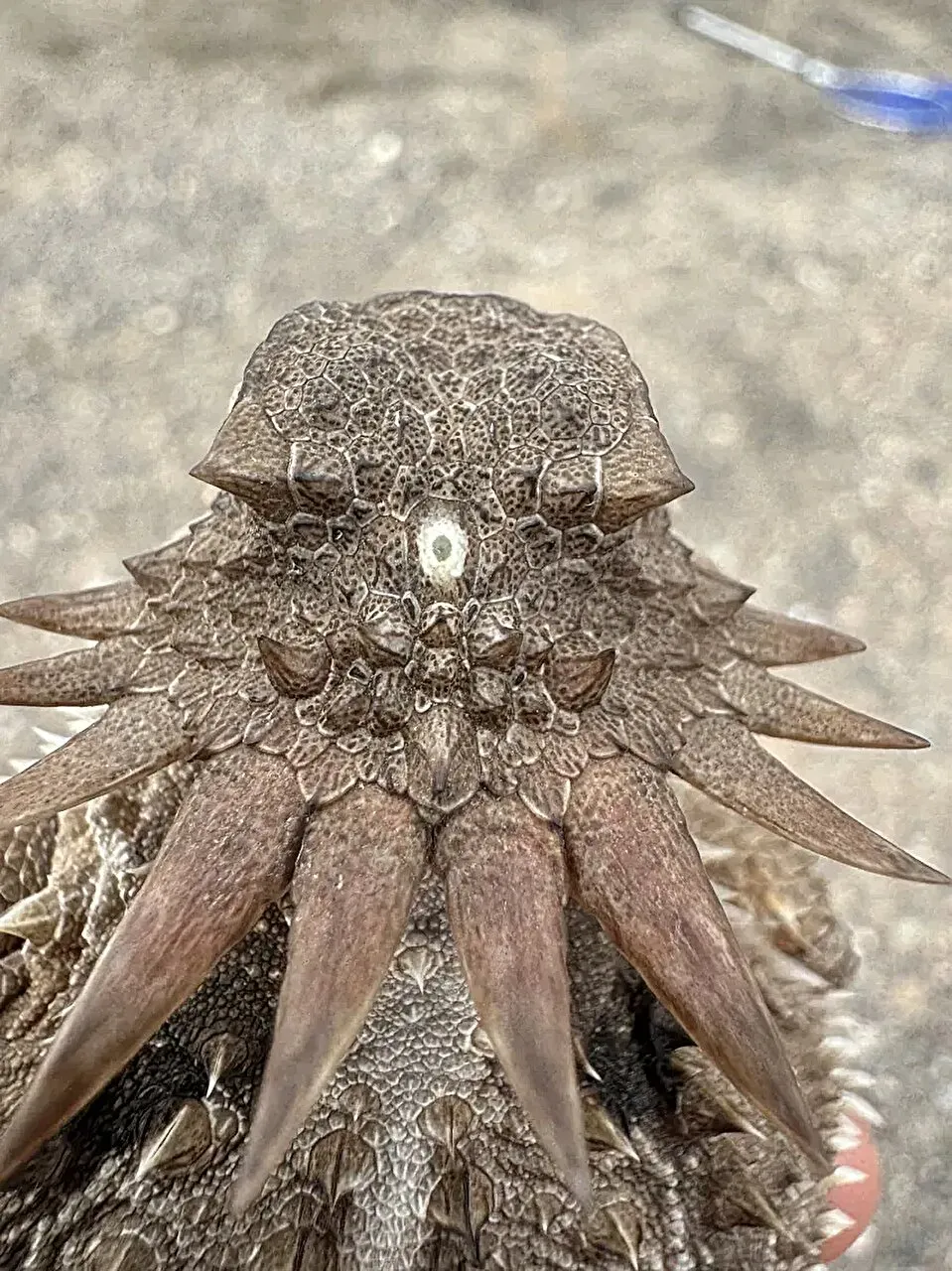
You have a cyclops in your family tree. Not metaphorically—literally embedded in your brain right now.
Researchers from Lund University and the University of Sussex have traced back all vertebrate eyes to a single ancestor that lived nearly 600 million years ago. This creature had exactly one eye, positioned at the top of its head, and it fundamentally changed how we see. The finding, published in Current Biology, rewrites the story of how eyes evolved and why yours work so differently from an insect's or a squid's.
"The results are a surprise," says Dan-E Nilsson, professor emeritus in sensory biology at Lund University. "They turn our understanding of the evolution of the eye and the brain upside down."
We're a new kind of news feed.
Regular news is designed to drain you. We're a non-profit built to restore you. Every story we publish is scored for impact, progress, and hope.
Start Your News DetoxThe Sedentary Ancestor
Imagine a small, worm-like creature drifting on the ocean floor, content to filter plankton from the water around it. This ancestor once had paired eyes like most animals do today. But as its lifestyle became increasingly still—no need to chase prey, no need to flee predators—those eyes became evolutionary dead weight. Over millions of years, they vanished.
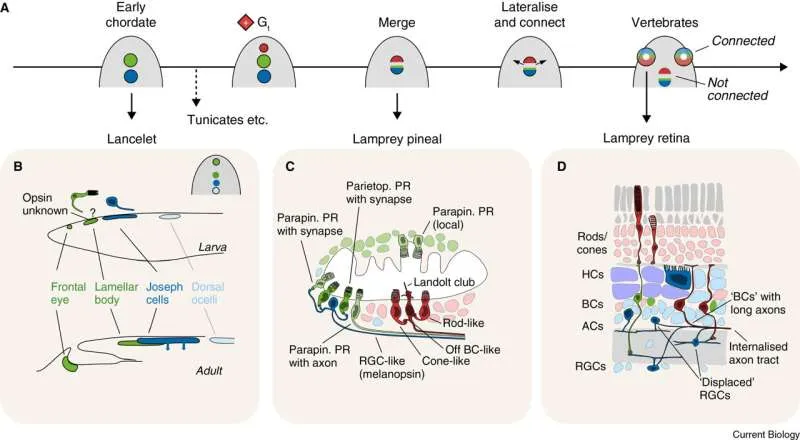
What remained was something stranger: a cluster of light-sensitive cells in the middle of its head. These cells weren't sophisticated enough to form images. They couldn't spot a predator or identify food. But they could do something more basic and, in a sedentary life, more useful: they could sense light and dark, up and down. This median eye became a biological compass and clock.
Then everything changed. The creature's descendants began moving again. They took to swimming. Suddenly, the ability to form detailed images mattered again. And here's where evolution got creative: it didn't build new eyes from scratch. Instead, it repurposed parts of that ancient median eye to create the paired, image-forming eyes that vertebrates have today.
Why Your Eyes Are Built Backwards
This evolutionary detour explains something that has puzzled biologists for centuries: why vertebrate eyes are fundamentally different from those of insects, squid, and other animal groups.
Your retina—the light-sensitive film at the back of your eye—developed from brain tissue. It's wired in a way that seems almost backwards: light has to pass through layers of nerve cells before hitting the light-sensitive cells. An insect's eye, by contrast, evolved from skin cells and is wired more directly. "Vertebrate eyes constitute a more modern model that evolved thanks to this unique path through a cyclops' sedentary phase," Nilsson explains.
The researchers reached this conclusion by analyzing light-sensitive cells across all animal groups and mapping how they're positioned in different bodies. For the first time, they can now trace not just the physical structure of our eyes, but the neural circuits that actually process what we see.
A Living Fossil in Your Head
The strangest part: that ancient median eye didn't disappear. It transformed. Deep in your brain sits your pineal gland, a small, light-sensitive organ that produces melatonin—the hormone that tells your body when to sleep and when to wake. It's a direct descendant of your one-eyed ancestor's central eye, still doing its original job of sensing light and regulating your biological rhythms.
"It's mind-boggling that our pineal gland's ability to regulate our sleep according to light stems from the cyclopean median eye of a distant ancestor 600 million years ago," Nilsson says. Every time you feel tired as the sun sets, or alert when it rises, you're experiencing the legacy of a creature that never had a name, never knew it was being watched by the future, and yet shaped the way all vertebrates see and sleep.