Two thousand years ago, the Chincha Kingdom had cracked a code that still shapes agriculture today: seabird poop is extraordinary fertilizer.
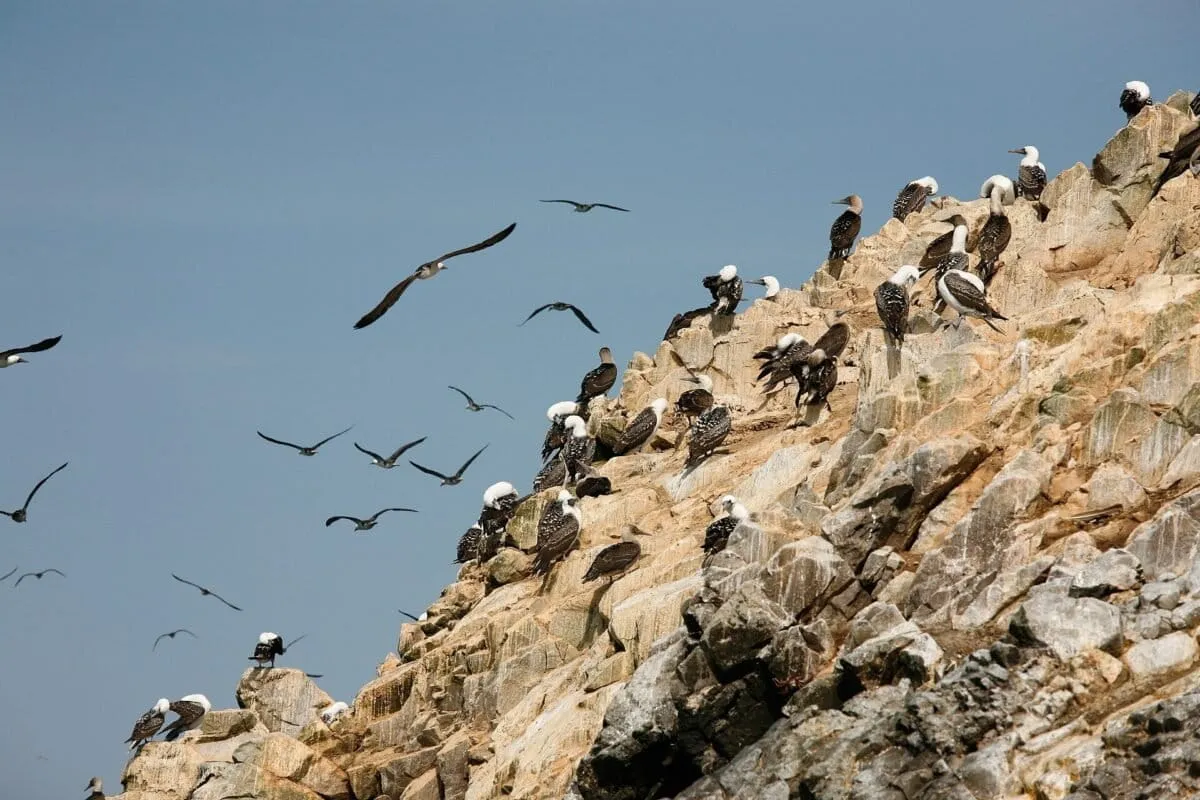
Archaeologists studying ancient maize cobs from Peru discovered something striking in the nitrogen signatures. The levels were far too high to come from ordinary soil. But they matched almost perfectly with guano from 11 seabird species living nearby—Peruvian boobies, pelicans, cormorants. The connection was clear: someone had figured out how to collect guano from the Chincha Islands and spread it across mainland crops.

What happened next was civilization-building at scale. With reliable, nitrogen-rich fertilizer, the Chincha Valley's maize yields exploded. By around AD 1250, the kingdom had grown to roughly 100,000 people—a major power in pre-Inca Peru. The timing is telling: the height of guano use and the height of Chincha's influence happened in the same moment. When the Inca later took control of the region, they recognized the value immediately. Chincha became the guano supplier for the entire empire.
We're a new kind of news feed.
Regular news is designed to drain you. We're a non-profit built to restore you. Every story we publish is scored for impact, progress, and hope.
Start Your News Detox
What makes this discovery matter now is how it reframes an old relationship. For centuries, European colonizers treated guano as a commodity to extract and export. But the Chincha Kingdom shows something different: a civilization that understood its local ecosystem well enough to build prosperity on it sustainably, for centuries. They didn't deplete the seabirds. They worked with the natural system.
Today, those same seabird populations face mounting pressure from climate change, overfishing, and pollution. The research, published in Proceedings of the National Academy of Sciences, is a quiet reminder of what's at stake. These aren't just birds. They're the foundation that once fed empires.