Bhanudas Shelke remembers the frustration clearly: after paying for careful grading, orders would still get rejected. A single buyer's complaint could erase all profit from an entire shipment. For thousands of Indian onion farmers, this isn't a rare setback—it's the seasonal reality that follows every harvest.
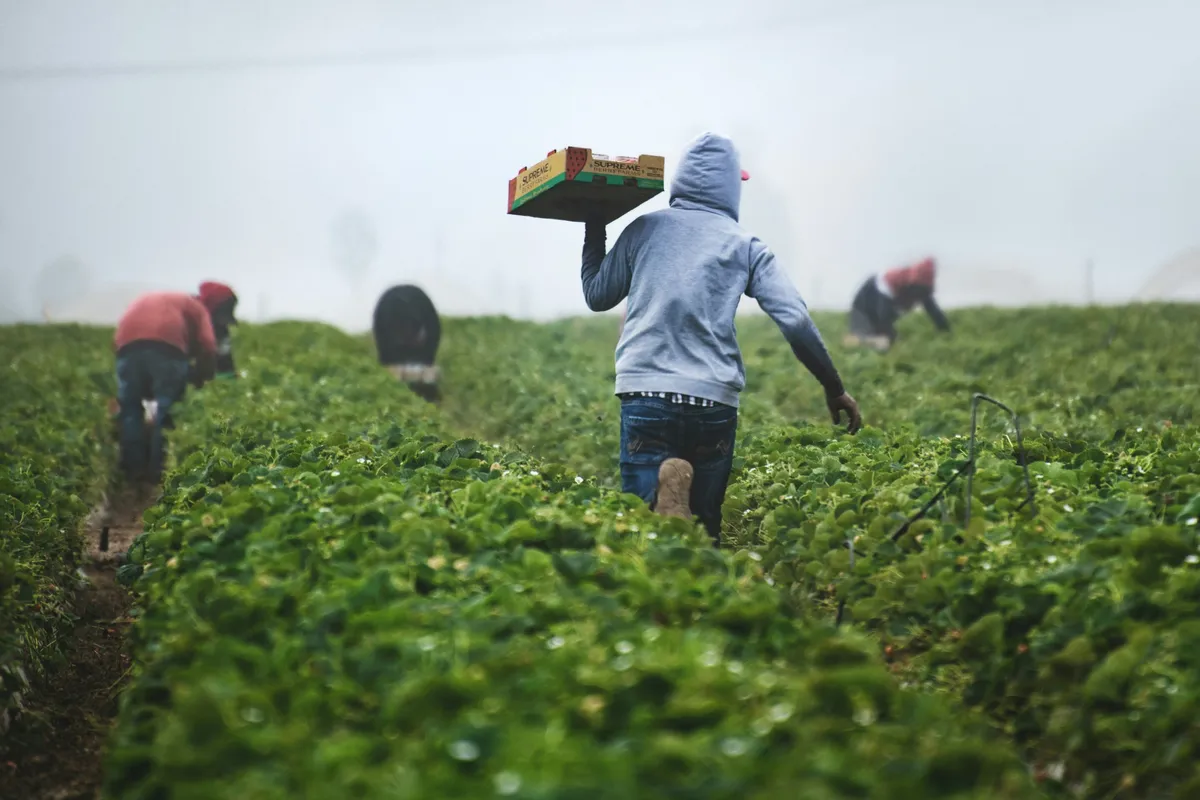
Onions are notoriously difficult to grade by hand. They vary wildly in size and shape, bruise easily, and lose their papery skin during rough sorting. Traditional methods depend on labour that's both expensive and inconsistent, leading to quality mistakes, rejected shipments, and produce rotting in storage.
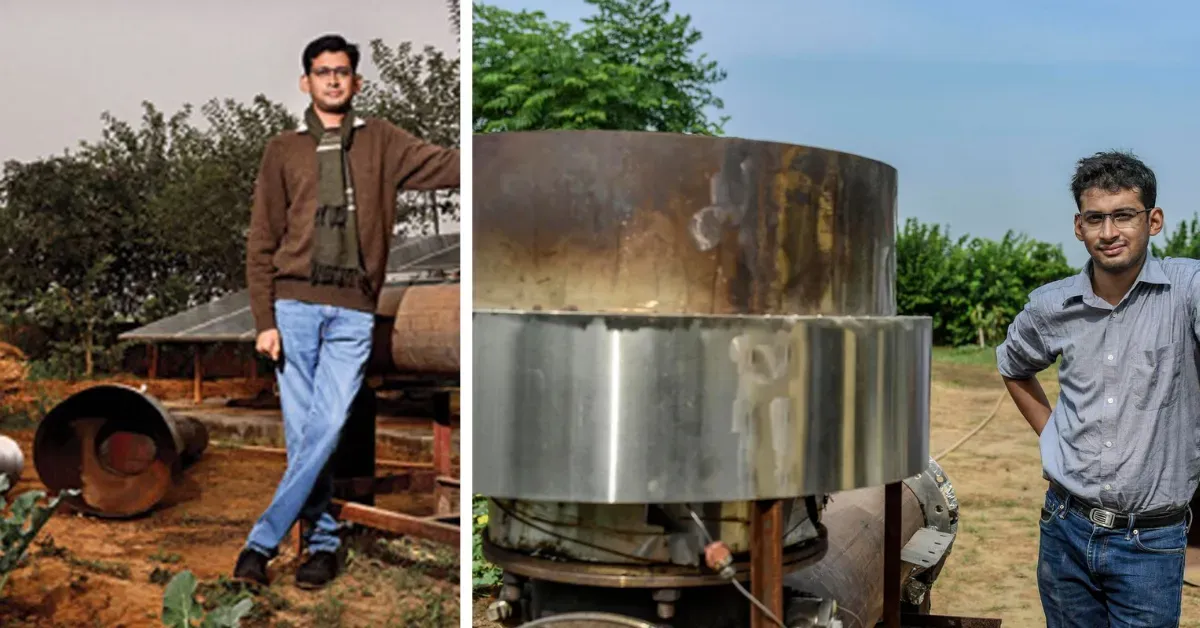
Kshitij Thakur grew up watching this problem unfold on his family's farm in Maharashtra, where his parents grew rice and mangoes. He saw them pour years into crops only to lose money at the point of sale. "I always knew there had to be a better way," he says.
We're a new kind of news feed.
Regular news is designed to drain you. We're a non-profit built to restore you. Every story we publish is scored for impact, progress, and hope.
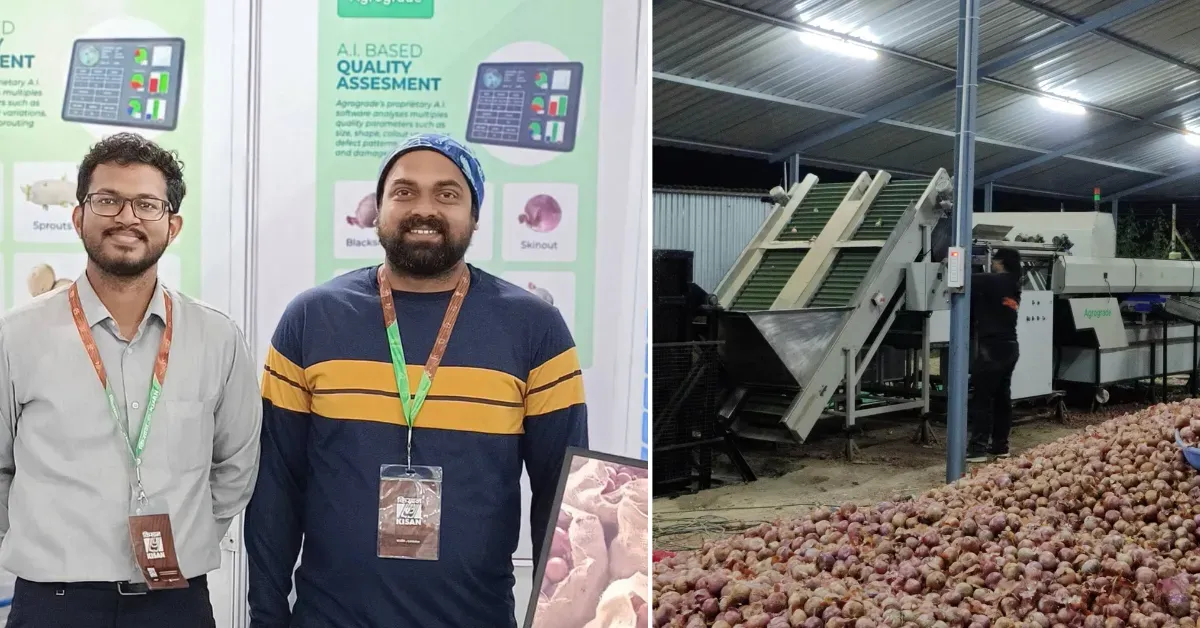
Start Your News DetoxAfter studying mechanical engineering and working on AI-powered defect detection systems, Thakur partnered with Rakesh Barai, an electronics engineer, to start Agrograde. They chose onions as their first target—precisely because the crop was so difficult to grade. If they could solve onions, the logic went, they could solve almost anything.
Their first prototype, built in 2019, was slow and unreliable. Over the next few years, they built six iterations, testing each one with farmer groups who offered feedback that shaped every redesign. The final machine combines an industrial-grade camera that captures each onion from multiple angles with an AI model trained on hundreds of thousands of images from farmers across India. The system detects defects like black smut, rot, sunburn, sprouting, and skin damage in seconds, then sorts onions into premium and standard grades.
The numbers tell the story
Farmers using the machine report grading costs dropping from Rs 20,000 to Rs 7,000 per order. Premium grades now fetch an extra Re 1 per kilogram. Weekly shipments have jumped from 10 tonnes to 40 or 50 tonnes. Most strikingly, 30 to 40% of produce now qualifies for premium pricing—produce that would have been rejected or sold at standard rates before.
Praful Bante of Mitraya FPC describes it differently: "It feels like we finally belong to the market. Middlemen no longer control everything. Technology is giving us a voice."
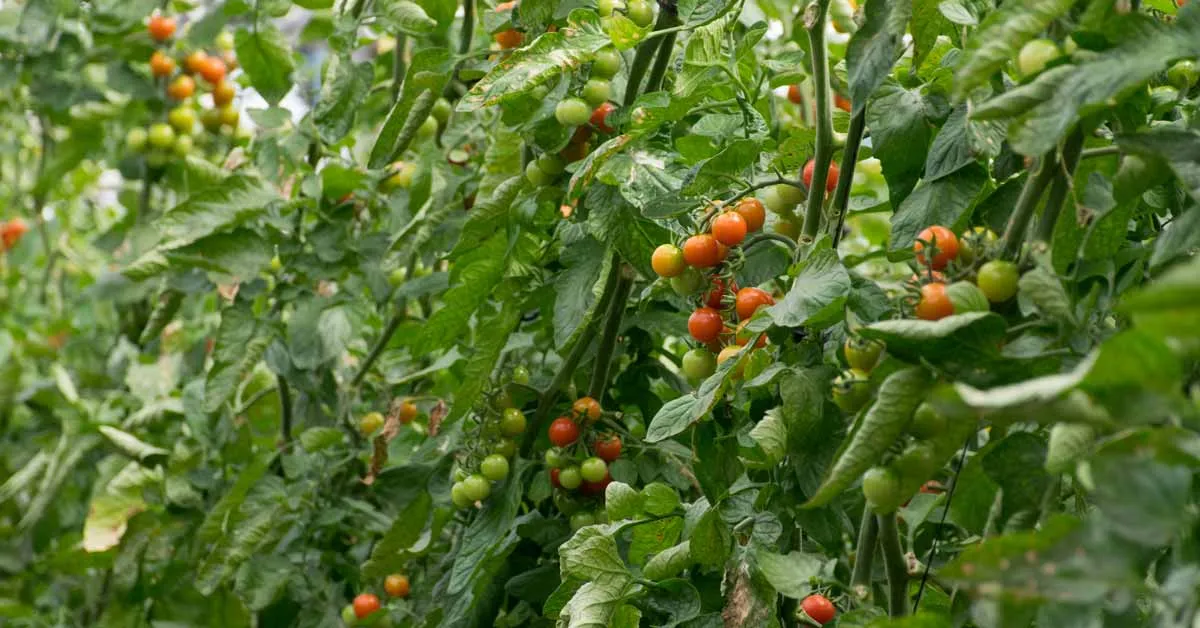
Agrograde now operates across 12 Indian states with over 70 machines deployed, collectively grading 24,000 quintals per day. The system has expanded beyond onions to potatoes, tomatoes, arecanut, and apples. Thakur was deliberate about scale: "We did not want to sell machines to a few rich farmers. We wanted every farmer to benefit, even indirectly."
For Thakur, the work carries personal weight. "I could not save my family's farm," he says. "But helping thousands of others survive and grow feels like fulfilling the promise I made to myself in my village." The journey from childhood fields to a nationwide supply chain solution took patience and humility—and farmers teaching the engineers as much as the technology taught the farmers. "Every time we thought we solved a problem, they showed us there was more work to do," Thakur reflects.
As more machines enter the field, the shift is becoming visible: farmers no longer have to choose between quality control and affordability. The next expansion is already underway.