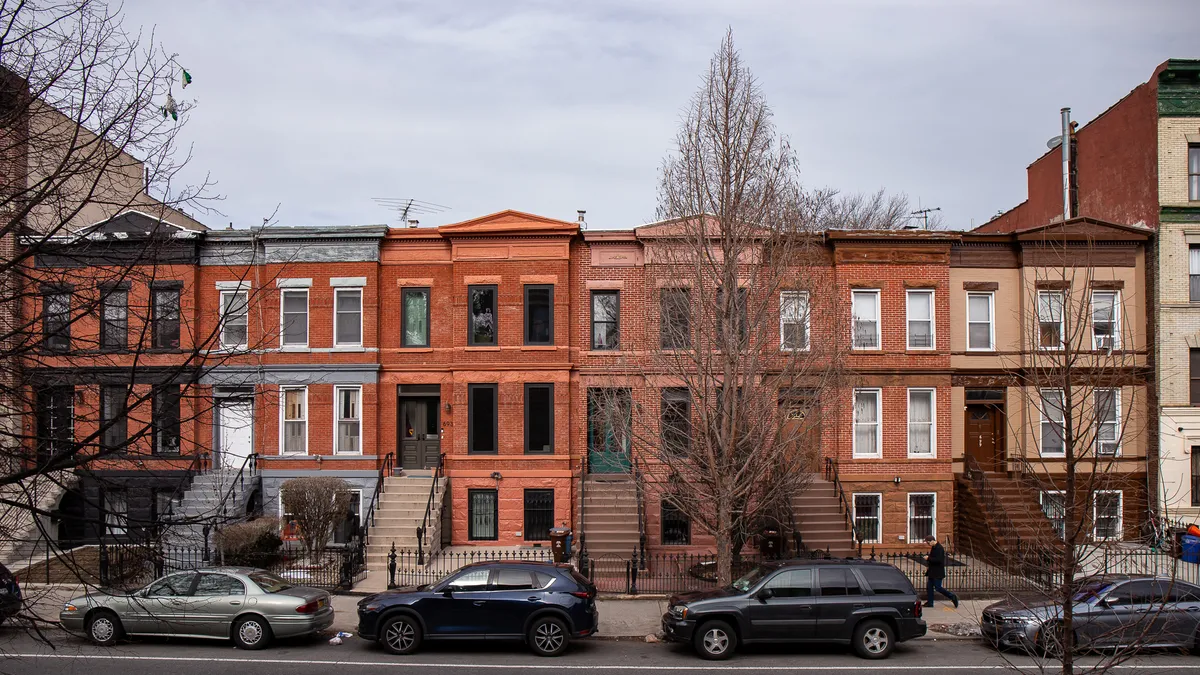
The House passed a spending package Thursday that keeps the Department of Housing and Urban Development from the 44% budget slash the White House had proposed last spring. For cities like New York, where federal dollars underpin housing agencies and help over 350,000 low-income households pay rent through programs like Section 8, the difference between a cut and a boost is the difference between stability and crisis.
The new appropriations bill allocates $77.3 billion to HUD through September—a $7.3 billion increase from the previous year. Section 8 vouchers and homelessness assistance grants both get funding bumps. The Senate is expected to vote next week, and lawmakers have until January 30 to finalize the budget and avoid another shutdown.
But the picture is mixed. While rental assistance programs gain ground, public housing funding drops by nearly $687 million. For New York City Housing Authority—which houses 1 in 16 New Yorkers and carries a $78 billion repair backlog for problems like mold, leaks, and broken elevators—this is a setback. "NYHC is deeply disappointed to see funding cuts proposed to public housing," the New York Housing Conference said in a statement. "Increased funding for public housing operations and capital needs is desperately needed."
We're a new kind of news feed.
Regular news is designed to drain you. We're a non-profit built to restore you. Every story we publish is scored for impact, progress, and hope.
Start Your News DetoxWhat's Moving in New York Housing
Meanwhile, the city is grappling with its own budget pressures. A shortfall partly stems from previous under-budgeting for CityFHEPS rental vouchers—costs have ballooned as the program has expanded. New Mayor Zohran Mamdani has signaled he wants to expand eligibility further, a key lever for moving people from shelters into apartments.
Innovation is happening at smaller scales too. Students from the Pratt Institute are partnering with the South Bronx advocacy group Mothers on the Move to explore hemp as a building material for retrofitting apartments in a neighborhood where residents face some of the city's highest asthma rates. The material is rarely used in housing, but could improve air quality and durability.
Elsewhere in the city: a guaranteed income pilot is giving homeless youth $1,200 monthly in cash payments. The City Council passed a bill requiring landlords to provide air conditioning by 2030—though advocates note this sidesteps the real barrier: many tenants can't afford the utility costs, even with AC available. And a new buyer for a troubled portfolio of over 5,000 rent-stabilized apartments has already landed on the Public Advocate's worst landlord watch list.
Mayor Mamdani has also set an ambitious target: 200,000 union-built homes in the coming years. Sources tell Politico this will be difficult, if not impossible, to achieve.