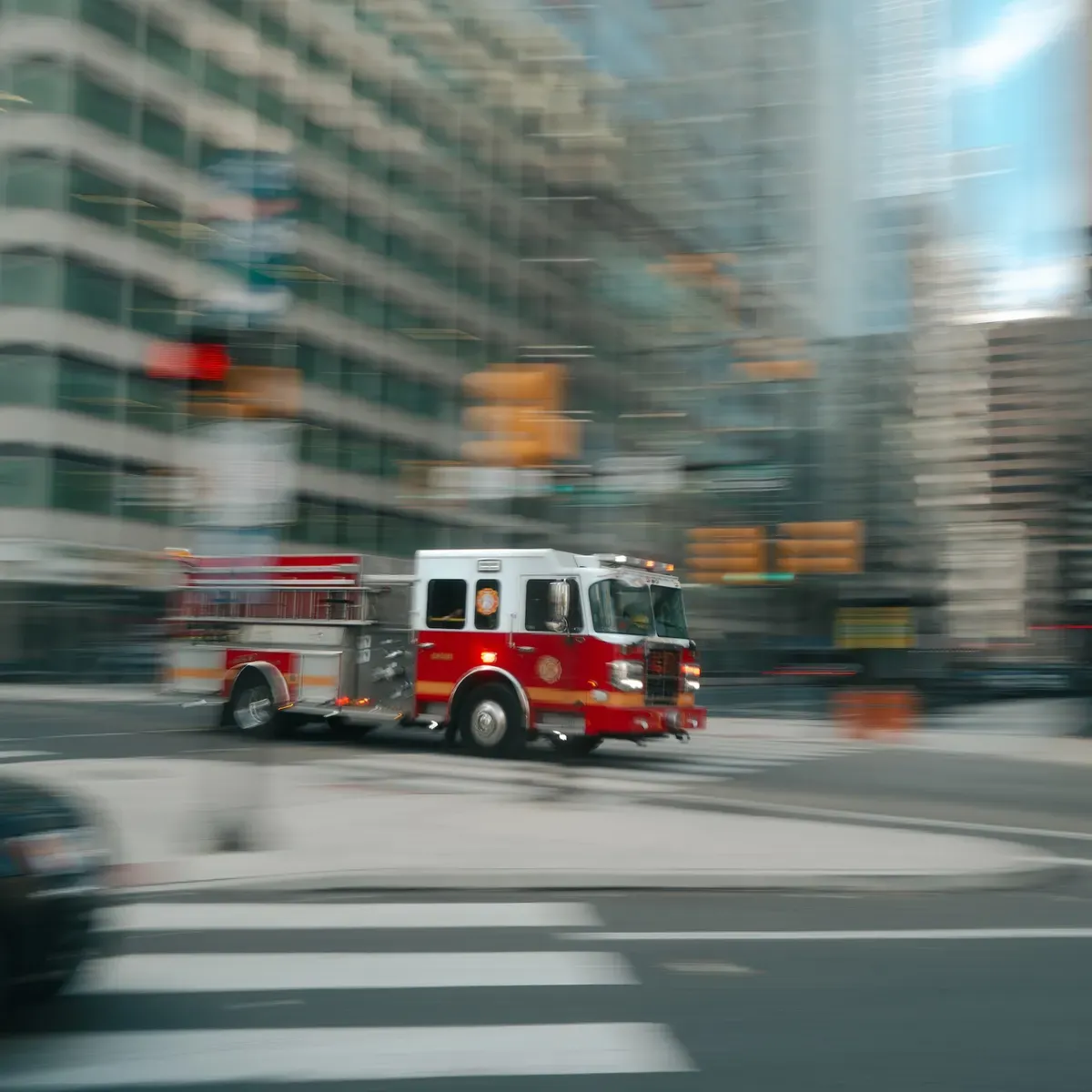
Prepare for fewer siren-blaring standoffs at intersections, Houston. Seven emergency service districts in Northwest Harris County are about to give 437 traffic lights a serious brain upgrade. We're talking smart signals that will spot an emergency vehicle coming a mile away and grant it the golden ticket: a green light. Which, if you think about it, is both impressive and slightly terrifying for anyone not in an ambulance.
This isn't just about getting first responders to the scene faster (though that's a huge win). It's also designed to prevent those heart-stopping collisions that happen when emergency vehicles try to navigate a busy intersection. Plus, a little extra safety for the folks walking and biking? Always a good idea.
Smarter Than Your Average Traffic Light
This new system, orchestrated by traffic tech company Miovision, is a much-needed glow-up from a 2007 model. The old system, bless its heart, didn't fare so well when Hurricane Harvey decided to turn a quarter of Harris County's intersections into swimming pools back in 2017. Turns out, water and outdated tech aren't the best combo.
We're a new kind of news feed.
Regular news is designed to drain you. We're a non-profit built to restore you. Every story we publish is scored for impact, progress, and hope.
Start Your News DetoxAfter that soggy mess, the emergency districts decided it was time for an upgrade that could actually, you know, handle a crisis. The best part? The new tech plays nice with the existing gear in the county's emergency vehicles. No need to reinvent the wheel, just make the wheel a lot smarter. Mike Pate, a project manager for Harris County ESD Number 16, pointed out that not needing a full-time staff just to babysit the system is a massive relief. Because public safety budgets, apparently, are not infinite.
Most traffic lights in the U.S. are still running on pre-set timers or basic road sensors, which is basically the flip phone of traffic management. But the future, according to Miovision CEO Kurtis McBride, is fully digital intersections. Imagine connected, self-driving cars whispering secrets to the traffic lights, providing more data than just "yep, there's a car here."
Miovision has already plugged over 100,000 intersections into its system, and they claim it typically shaves 10% to 30% off stop delays. Let that satisfying number sink in. They've even created a platform where traffic engineers can wrangle all their studies and actually understand what's gumming up the works.
So, get ready Houston. Your daily commute might just get a little smoother, and your emergency services a whole lot faster. Just try not to get too jealous of the ambulances getting VIP treatment.