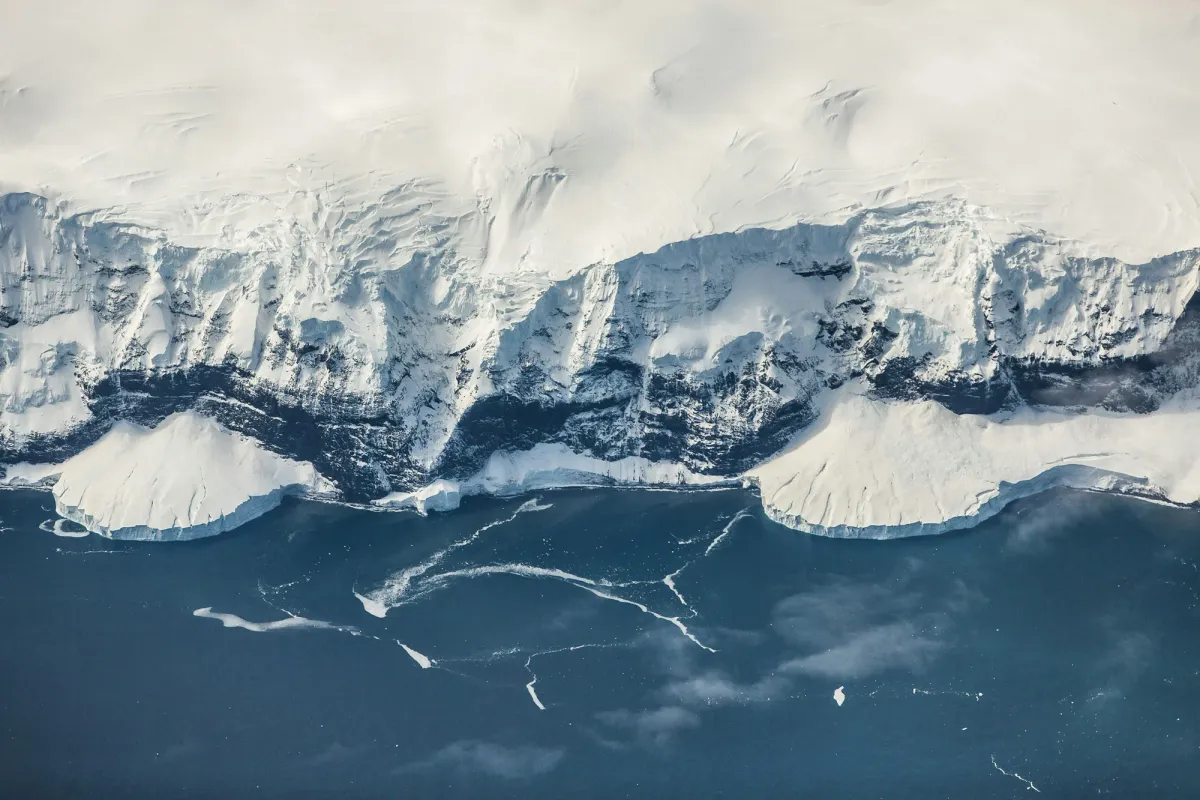
The Arctic is melting, and it's not just a polar bear problem. Indigenous communities rely on sea ice for pretty much everything — hunting, fishing, travel, and keeping their cultural traditions alive. But thanks to climate change, that ice is pulling a disappearing act, shrinking by over 12% every decade since we started keeping satellite tabs.
Experts are now whispering about the first nearly ice-free Arctic summer by the 2030s. Which, if you think about it, is both impressive and slightly terrifying. Losing that ice isn't just an inconvenience; it's a direct hit to traditional ways of life, a turbo-charge for coastal erosion, and an unwelcome assist to rising sea levels.

The Great Arctic Ice Fortification Project
So, what's a scientist to do? Well, some have floated ideas that sound straight out of a sci-fi movie. We're talking spreading glass beads on the ice to reflect sunlight (because apparently, that's where we are now). Or perhaps spraying sea-salt aerosols into clouds to make them more reflective. Because, you know, every cloud needs a little sparkle.
We're a new kind of news feed.
Regular news is designed to drain you. We're a non-profit built to restore you. Every story we publish is scored for impact, progress, and hope.
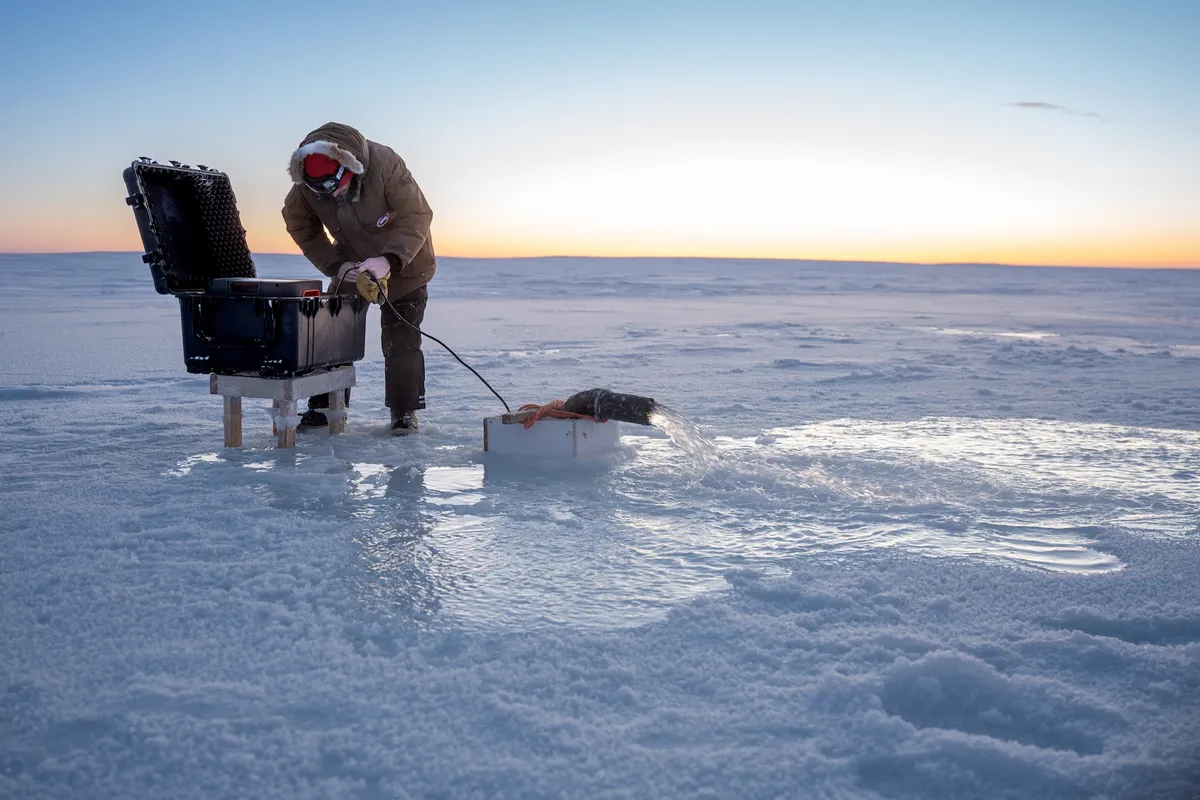
Start Your News DetoxThen there's astrophysicist Steven Desch, who in 2017 had an idea that was, shall we say, bold. His proposal: millions of wind-powered pumps, sucking seawater onto the ice surface in winter, letting it freeze, and voilà — a thicker ice sheet. It's like giving the Arctic a really aggressive, very cold facial.
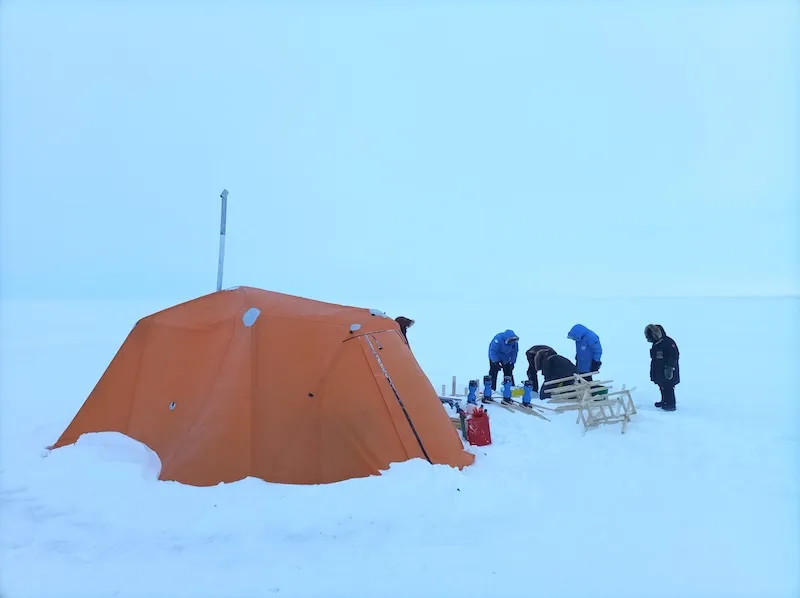
Enter Real Ice, a UK-based startup. With a little help from the UK government, they're taking a page from Desch's playbook. They've set up shop in the Canadian Arctic, drilling holes, pumping seawater onto the surface, and letting nature (and sub-zero temperatures) do the rest. The goal? Thicken the ice, stabilize it, and maybe, just maybe, buy us a little more time. Because sometimes, you just have to give Mother Nature a helping, albeit very chilly, hand.