Deep in the Atacama Desert—one of Earth's driest places—sits a walk-in freezer holding thousands of seeds at -4°F. It's not a doomsday vault. It's Chile's insurance policy.
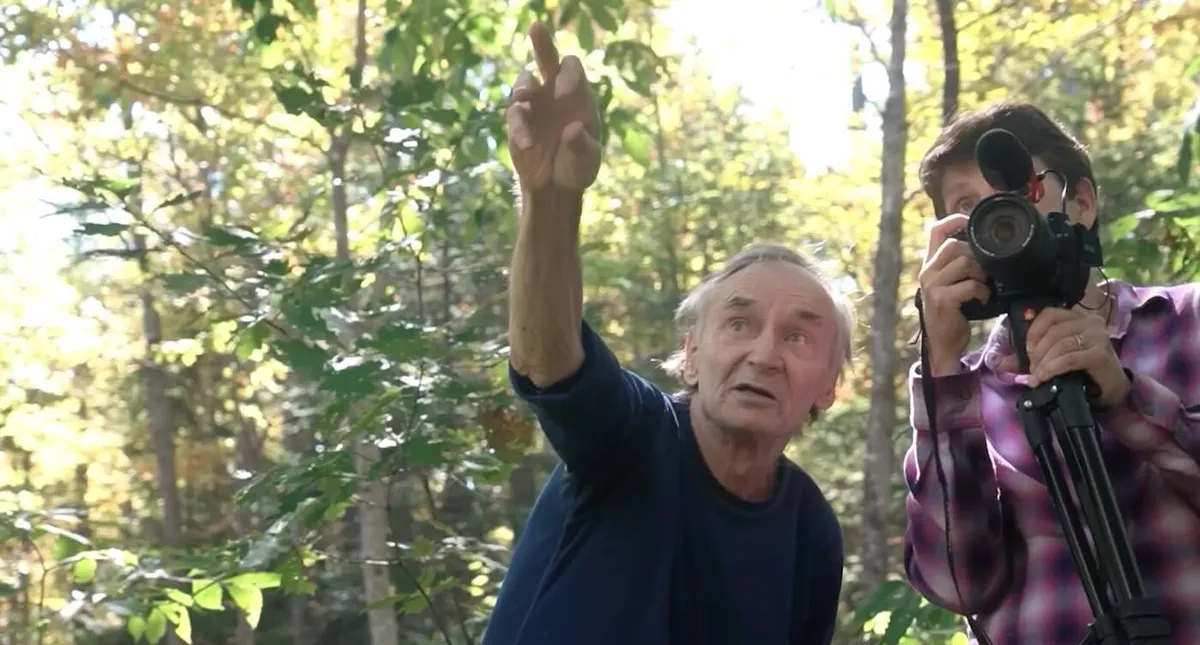
The Initihuasi seed bank, nestled against a rocky hillside, is the anchor of a nationwide network quietly working to preserve the genetic blueprint of Chilean plants. Ana Sandoval, who's worked there for over a decade, explains the logic simply: "The most important thing for a seed bank is to be away from large populations, because the idea is to save the seeds from catastrophes like wars, among other things."
The facility itself reads like a fortress. Thick concrete walls are earthquake-proof. Seeds sit in aluminum pouches at 15% humidity—conditions engineered to keep them viable for decades. It's the kind of infrastructure you build when you're serious about not losing something.
We're a new kind of news feed.
Regular news is designed to drain you. We're a non-profit built to restore you. Every story we publish is scored for impact, progress, and hope.
Start Your News DetoxWhat's Being Saved
Chile is home to 4,655 plant species. Nearly half of them—46%—exist nowhere else on Earth. Some of the seeds stored here represent plants that were officially declared extinct at the turn of the 19th century, only to be rediscovered decades later in the Andes near Santiago. These aren't museum pieces. They're living options for a country facing a radically different future.
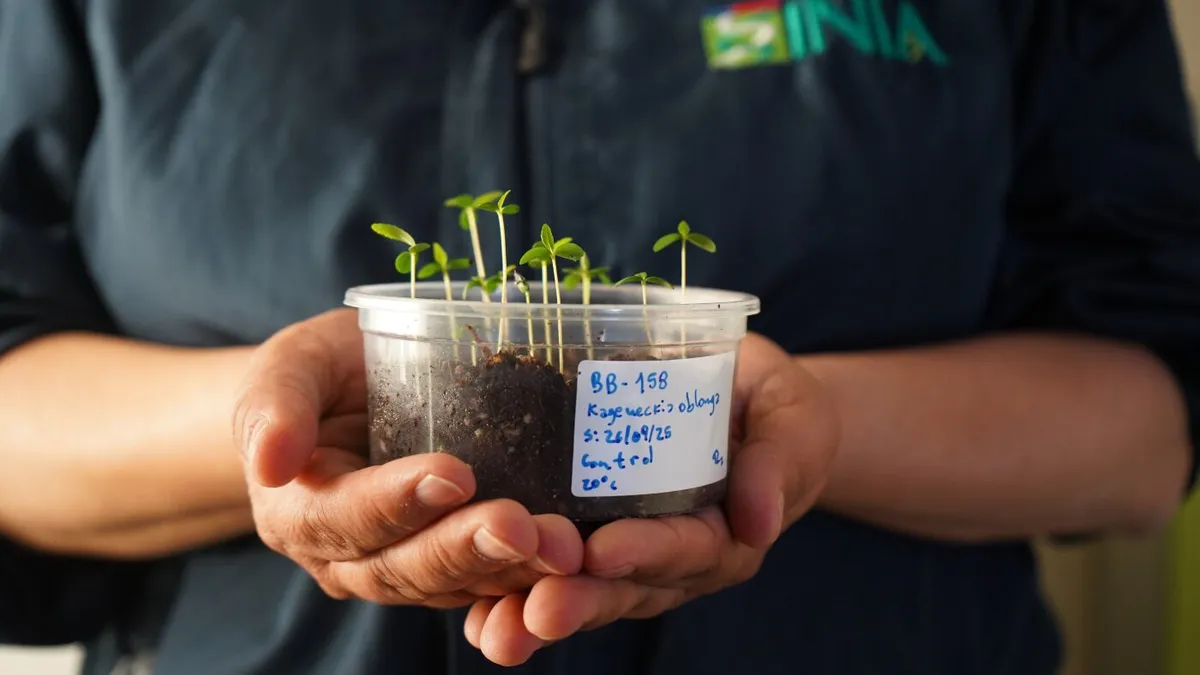
The work extends beyond freezing and storage. Two onsite greenhouses germinate and propagate rare species. Field teams regularly venture across Chile's diverse landscapes—from coastal regions to high-altitude mountains—hunting for seeds worth preserving. Some specimens have been duplicated and sent to partner facilities in Colombia and even the Arctic Circle, creating a distributed backup system for Chile's botanical heritage.
Climate change is the unspoken pressure driving all of this. Chile's agricultural sector—a major global exporter of fruit, cereals, and wine—faces conditions that will look dramatically different within decades. Hotter, drier, less predictable. Carlos Furche, director of the national seed bank network, calls Initihuasi a "Noah's Ark" for Chilean agriculture. The genetic diversity stored here represents the raw material for crops adapted to whatever comes next.
"With what we have here in this seed bank, we are going to be able to adapt to these new demands," Furche said. The network keeps expanding, collecting more material each year.
It's not a solution to climate change. It's a hedge against losing options. And in a country where half the plant species exist nowhere else, that distinction matters.