A research team in Mexico has found something that development programs have been missing for years: the people who've been feeding themselves sustainably for centuries already know how to do it.
When state-funded agricultural programs came to Yucatec Maya farmers in Quintana Roo with promises of agroecology and regenerative farming, something unexpected happened. They didn't work. The crops didn't improve. The soil didn't recover. The yields stayed flat.
The reason, according to researchers at Universidad Intercultural Maya, wasn't that the techniques were wrong. It was that the programs ignored an entire way of understanding food itself.
We're a new kind of news feed.
Regular news is designed to drain you. We're a non-profit built to restore you. Every story we publish is scored for impact, progress, and hope.
Start Your News Detox"Indigenous Peoples consider food as a part of their natural environment," explains Dr. Francisco Rosado-May, lead author of the study. "It's not a commodity. That's a fundamental difference in how you approach the problem."
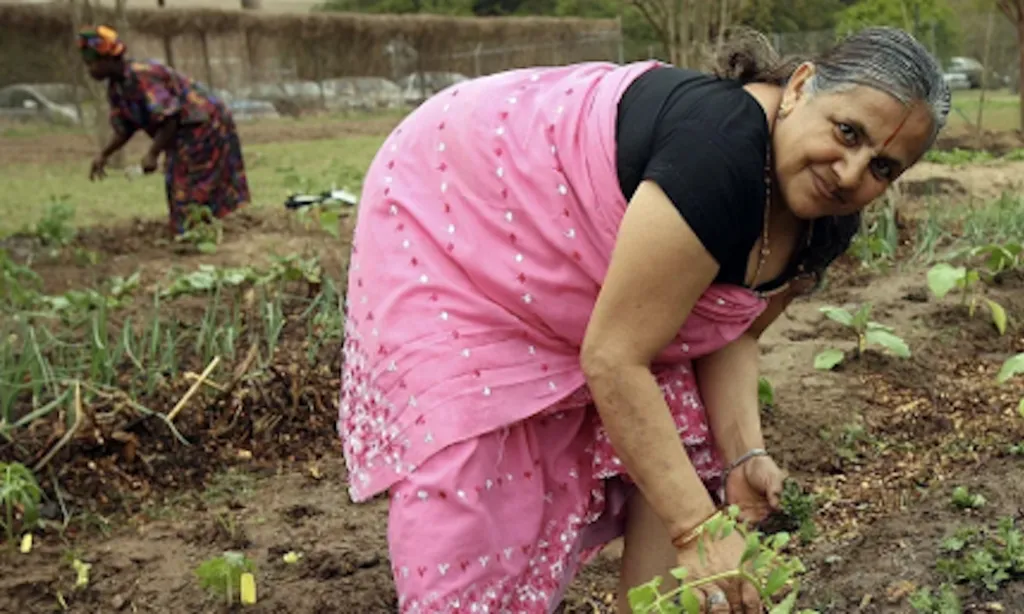
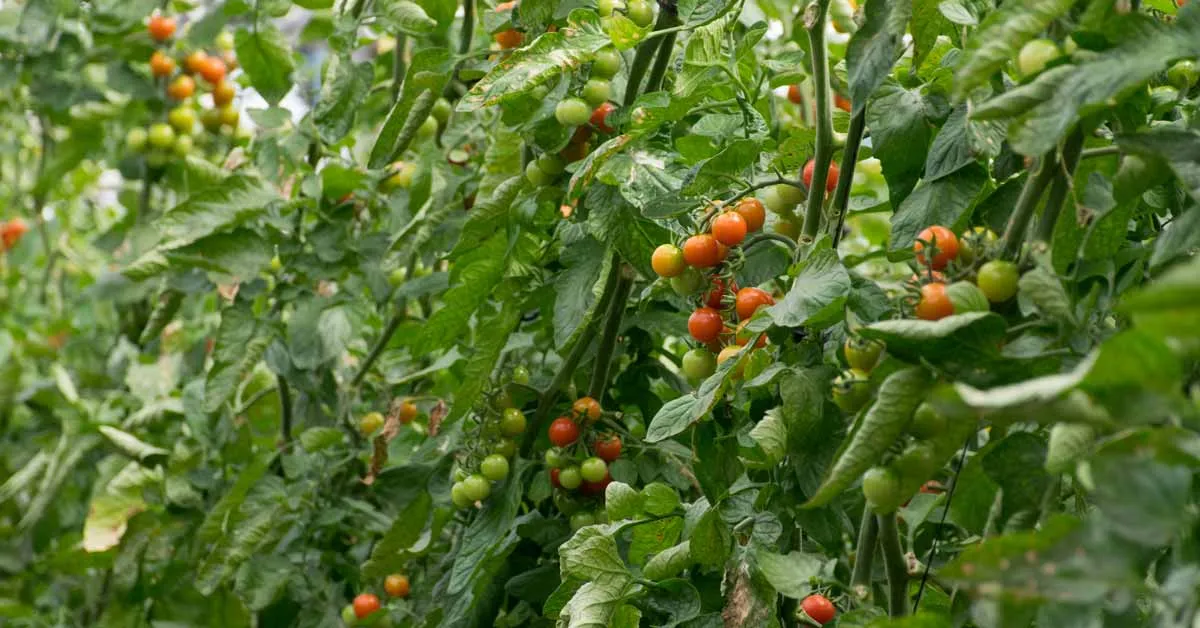
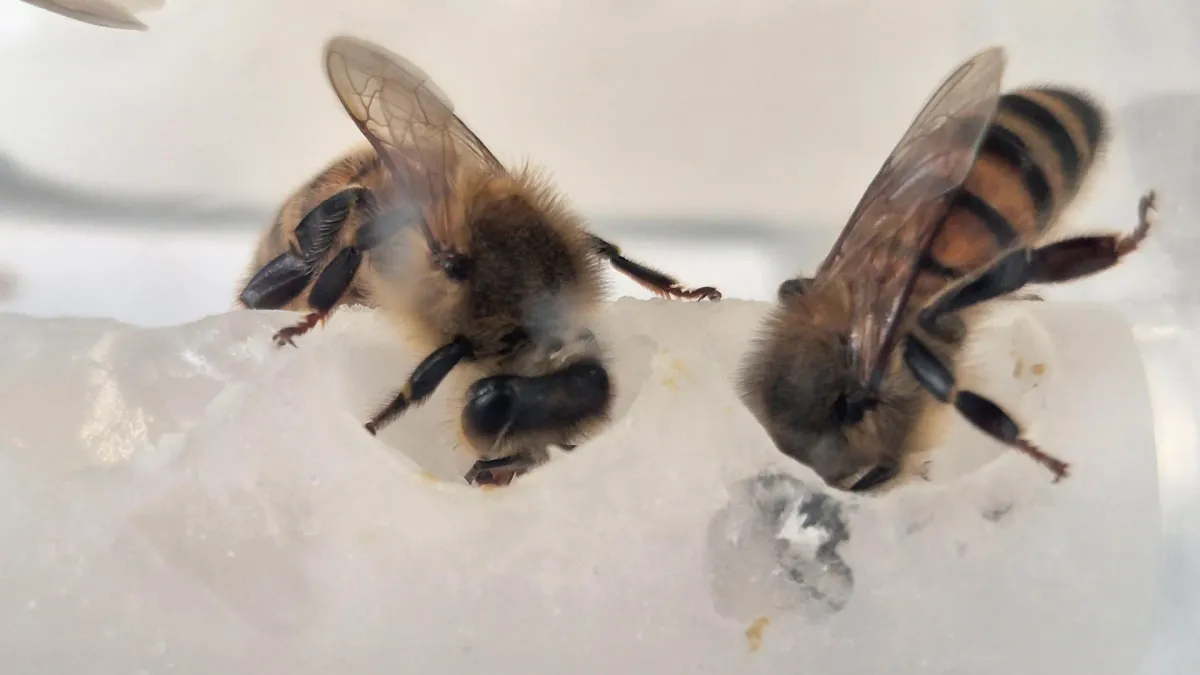
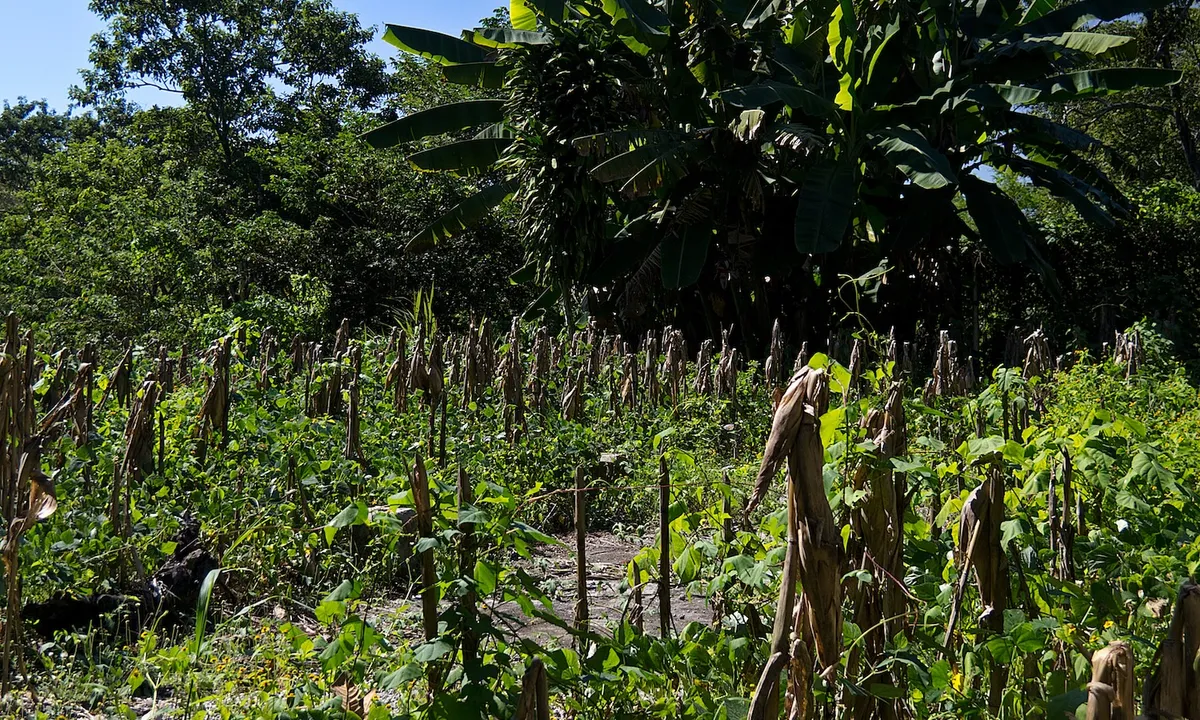
When the researchers sat down with Yucatec Maya knowledge holders—not to teach them, but to listen—a different picture emerged. The Maya food system isn't what development agencies typically measure. It includes gardens and beekeeping, yes, but also forest collecting and animal systems. Many of these practices date back to pre-Hispanic times. More importantly, the system is built around three interconnected goals: food security, sufficiency, and sovereignty. Not profit. Not efficiency metrics. Survival and independence.
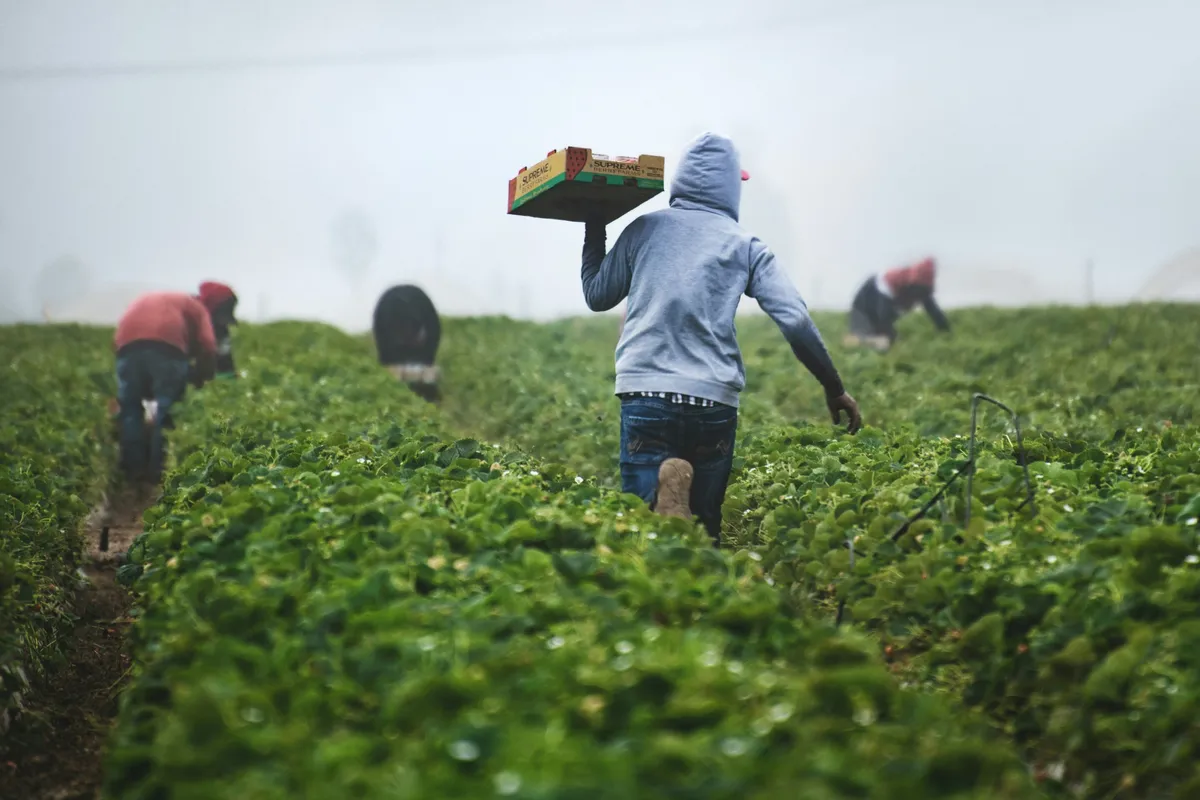
This distinction matters more than it sounds. Most agricultural programs define food systems through a market lens—what gets sold, where it flows, how it scales. The Maya framework includes subsystems that never touch a market but feed families and communities reliably. When outside programs ignored these, they weren't just missing context. They were dismantling something that worked.
The study argues that real transformation requires what Rosado-May calls "intercultural knowledge co-creation"—a process where different ways of knowing interact as equals, not where one side teaches and the other learns. "It's not about Indigenous knowledge versus Western science," he explains. "It's about creating new knowledge together, knowledge that reflects all the different ways of understanding the world that are in the room."
Yucatec Maya farmers face the same pressures as farmers everywhere: climate chaos, dying soils, collapsing biodiversity. The difference is they have a framework for responding that's been tested across generations. When development programs finally stopped treating that framework as a problem to overcome and started treating it as a foundation to build on, the conversation changed.
The research suggests the next wave of food system transformation won't come from exporting one model worldwide. It will come from programs humble enough to ask what's already working, and structured to blend that knowledge with new tools in ways that respect both.