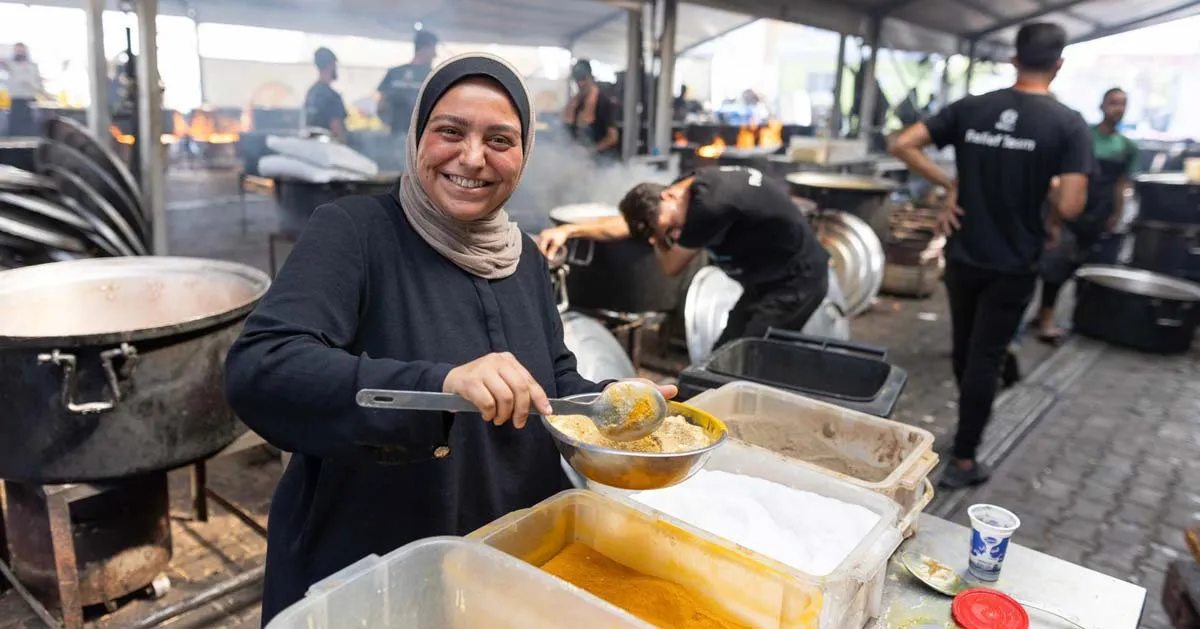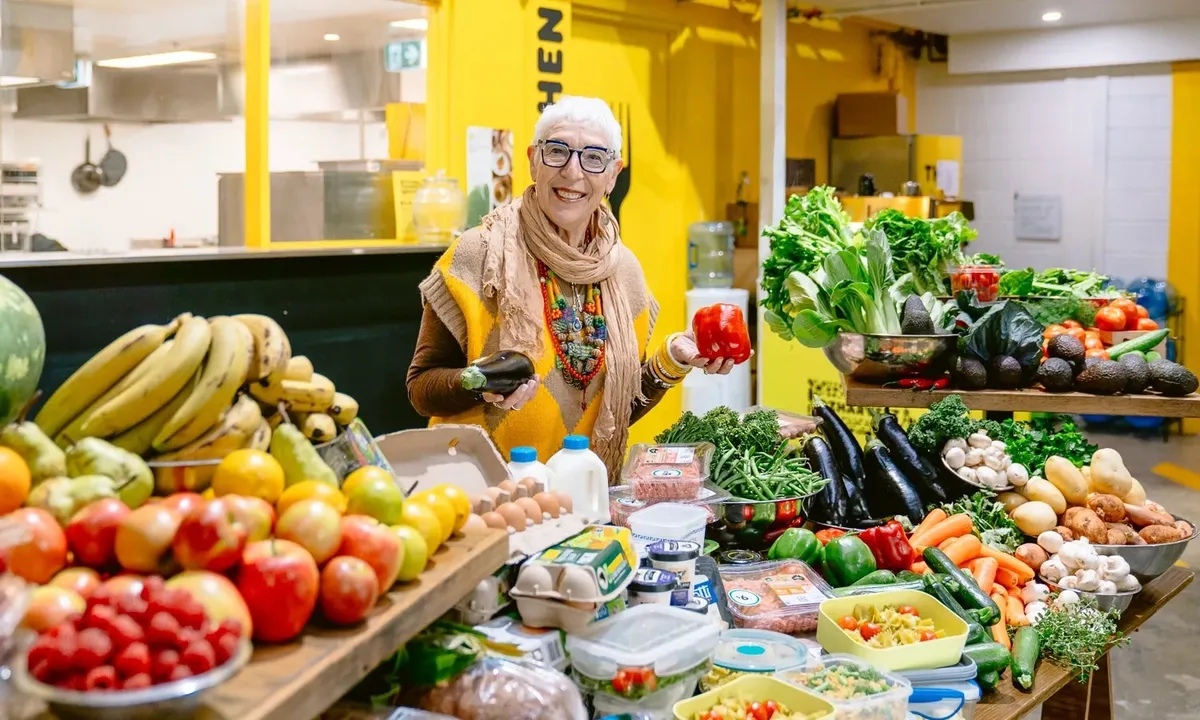
In 2004, Ronni Kahn was working an event industry job, watching perfectly good food get tossed at the end of every shift. "It was actually unconscionable," she recalls. So she started delivering the leftovers to nearby charities herself.
That small act of resistance became OzHarvest, and two decades later, it's evolved into something bigger than a food rescue operation. Today, the organization doesn't just redistribute surplus—it's built an entire ecosystem around it, treating waste as a design problem rather than an inevitability.
From rescue to reinvention
What started as Kahn delivering boxes of food has grown into multiple streams: direct food rescue (still the core), education programs like FEAST that teach sustainability to school kids, and OzHarvest Ventures—a social enterprise arm that launches mission-driven businesses around rescued ingredients.
We're a new kind of news feed.
Regular news is designed to drain you. We're a non-profit built to restore you. Every story we publish is scored for impact, progress, and hope.
Start Your News DetoxThat last piece is where the innovation really shows. Conscious Drink makes non-alcoholic beverages from rescued blueberries. Oh! Lemonaid turns imperfect lemons that didn't meet market standards into sparkling lemonade. These aren't charity projects dressed up as business—they're actual products with real customers. The revenue then funds the food redistribution work, creating a self-reinforcing cycle.
Kahn stepped down as CEO last year to become the organization's Visionary in Residence, a title that fits her restless energy. "I never thought of myself as an entrepreneur," she says, "but clearly what I care about most is innovation, creating, and recreating."
The FEAST education program teaches primary and high school students about nutrition, cooking, and sustainability over a 10-week term. Kahn describes it plainly: "creating little eco-activists and climate warriors." It's not about making kids feel guilty about food waste. It's about showing them that systems can be redesigned—and that they're old enough to help redesign them.
What ties all of this together is a belief that feels almost radical in its simplicity: we created hunger through waste, so we can uncreate it through design. "Some people probably think I'm completely mad," Kahn tells Food Tank. "They probably always have, and that's okay." But the work speaks for itself—two decades of proving that surplus isn't destiny, it's just a resource waiting to be redirected.
OzHarvest's approach suggests something larger: that the most effective solutions to food waste might not come from guilt or charity alone, but from treating the problem as a business and education challenge worth solving.