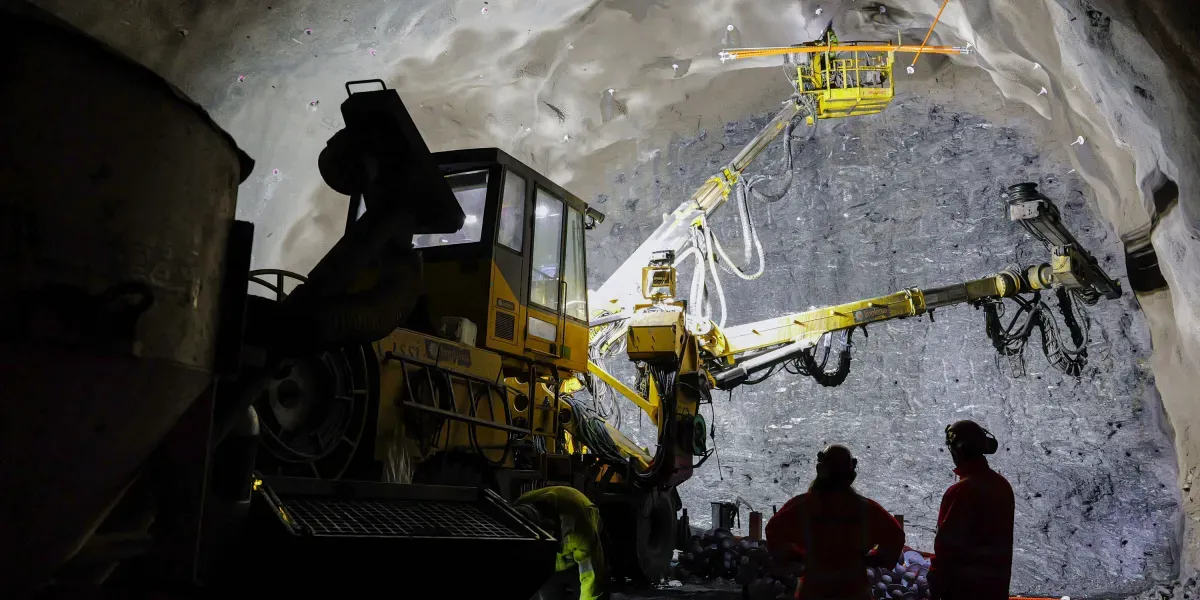
Imagine driving 1,280 feet under the ocean — past two undersea roundabouts — for 30 minutes, all to save 40 minutes on your commute. Welcome to Norway's Rogfast tunnel, the audacious, record-breaking project that's currently being blasted, meter by meter, beneath the North Sea.
At 26.7 kilometers (16.6 miles) long and plunging 390 meters (1,280 feet) deep, Rogfast will snatch the title of the world's longest and deepest subsea road tunnel. And how exactly do you build a highway where millions of tons of seawater are trying to crush everything? With a lot of explosives, a touch of Norwegian humor, and enough cement-like goo to make a geology major weep.
The Deep Dive, Literally
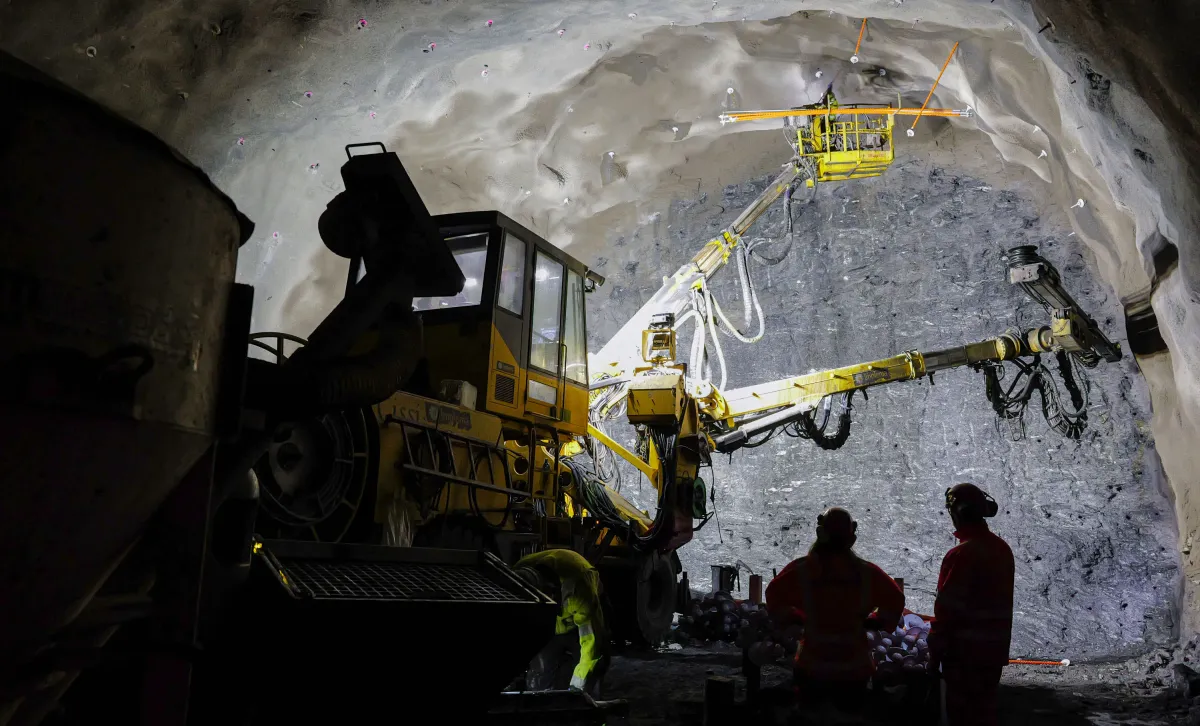
Down in the tunnel, it's cold, loud, and about 1,000 feet beneath the North Sea. The pressure there is over 500 pounds per square inch — which, for a visual, is like a baby rhino standing on a postage stamp. Geologist Anne-Merete Gilje jokes about the dangers, while foreman Niclas Brusehed calls the work a "lifestyle" for the "little bit crazy." Because apparently, that's what it takes to drill and blast your way through bedrock under the sea.
We're a new kind of news feed.
Regular news is designed to drain you. We're a non-profit built to restore you. Every story we publish is scored for impact, progress, and hope.
Start Your News DetoxNorway, already home to the current longest subsea tunnel (the 14.4 km Ryfylke), is basically the global expert in this particular brand of subterranean madness. Countries from Japan to the U.S. are watching, probably taking notes on how to handle the sheer volume of rock and water.
Speaking of rock, the primary method here is the good old "drill-and-blast." Each explosion pushes the tunnel forward about five to six meters. John Olaf Østerhus, an assistant project manager, calls it the "longest continuous blast on the sea" ever attempted. Which, if you think about it, is both impressive and slightly terrifying.
The Constant Battle Against the Wet Stuff
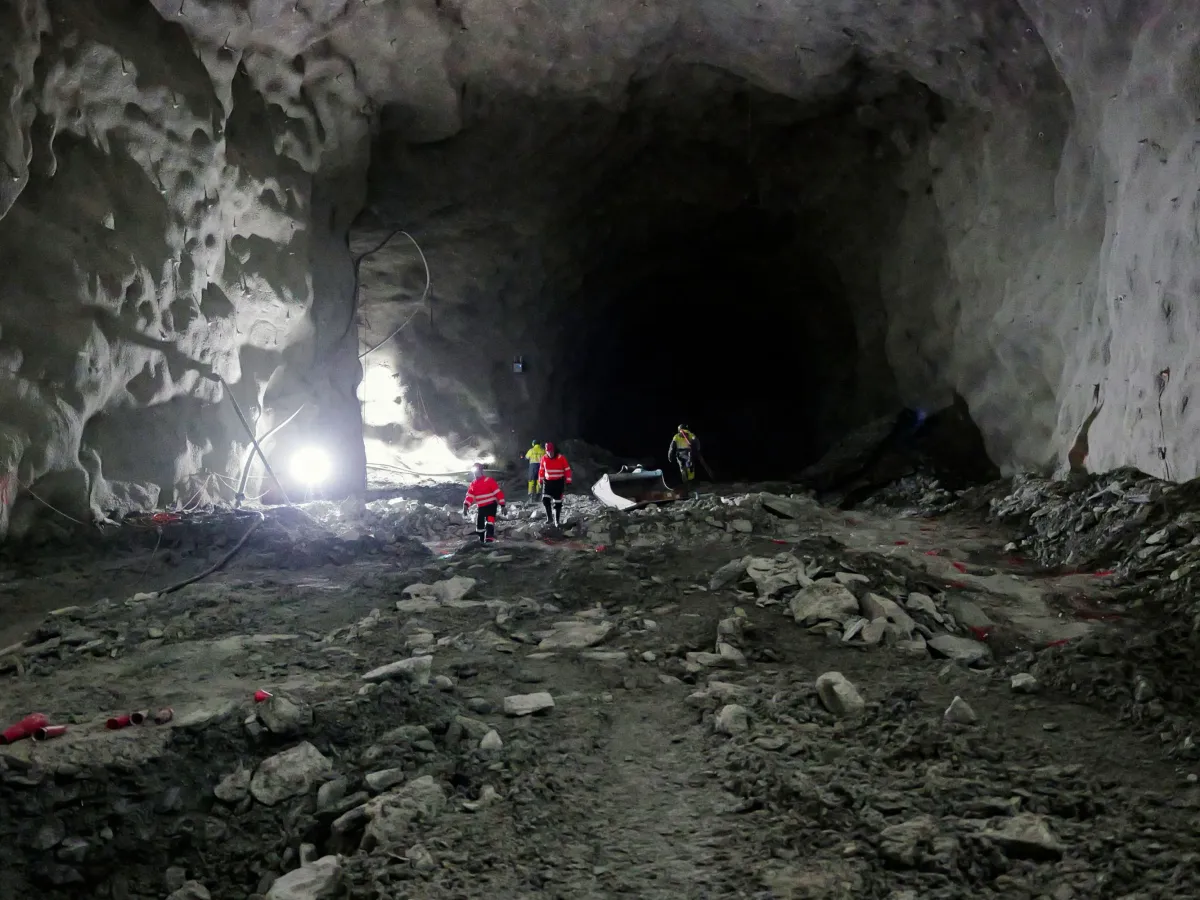
Working at the rock face is described as being on another planet. It's a massive stone slab at the end of a long, dark, wet passage. Workers operate in 12-hour shifts, 12 days on, 16 days off, deep underground with no natural light. The tunnel is being built from both ends, like a very expensive, very deep, very long race. Skanska is coming from the north, Implenia and Stangeland from the south. They expect to meet in 2029, with only a few centimeters of error. Let that satisfying number sink in.
One of the biggest headaches? Water. The immense pressure means the sea is always looking for a way in. Before blasting, engineers drill holes to check for leaks. If too much water seeps through, they perform "grouting" — pumping a cement-like mixture into the rock to seal it up. Tarald Johan Nomeland, the grouting specialist, calls it an "interminable battle with the water." Because of course he does.
The rock itself isn't making things easy either. Norway's seabed was carved by glaciers, leaving behind hard, uncooperative rock. Geologist Anne-Merete Gilje admits there are "big wide areas where we don’t know what’s down there." Seismic surveys and core samples help, but sometimes you just have to drill and see what happens.
Driving Through an Art Installation
When it opens in 2033, Rogfast will slash 40 minutes off the five-hour journey between Stavanger and Bergen, eliminating two ferry routes. Drivers will speed through four lanes of traffic, with only 50 meters of rock separating them from the North Sea at its shallowest point. And yes, those two undersea roundabouts will be 220 meters (720 feet) below sea level. Because why not?
Designers are even worried about drivers falling asleep during the monotonous 30-minute drive. So, like its predecessor, the Ryfylke tunnel, Rogfast will feature artistic installations and changing colored lights to keep everyone awake. Because nothing says "stay alert" like a psychedelic light show deep under the ocean.
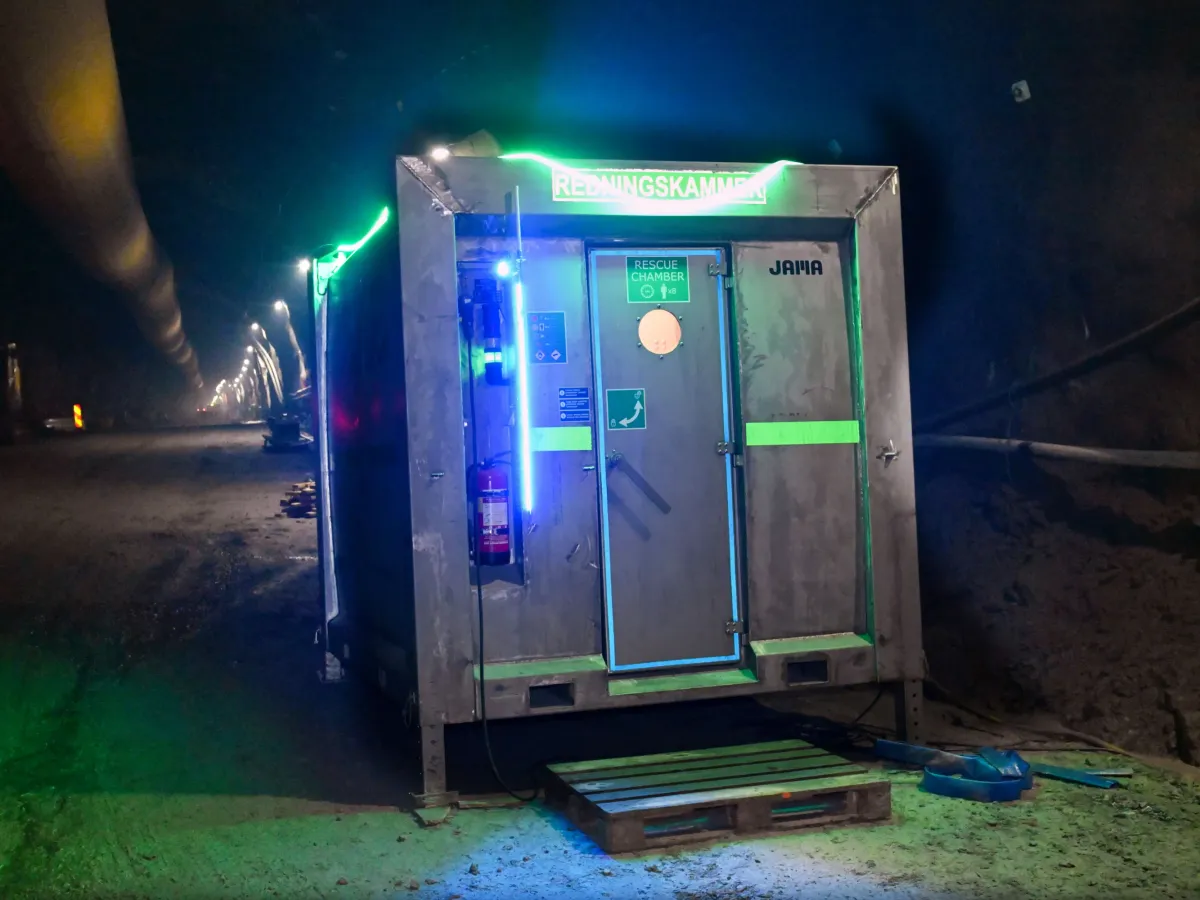
Safety is, naturally, paramount. Workers wear hi-viz suits, hard hats, and carry devices that track their location and warn of blasts with vibrating blue lights. A red light means evacuate now. And just in case, there are rescue chambers — metal boxes the size of a large van, stocked with chocolate, water, oxygen, and a defibrillator. Just press a green button, close the hatch, and "be calm," as project manager Ketil Myklebost instructs. Easy peasy.
Each blast starts from the center and goes off sequentially. The shockwave hits first, followed by a rolling thunder, billowing wind, and the clatter of rocks. Dust rises, a strange smell fills the air, and Rogfast gets a few meters closer to completion. Just another day in the office, 1,280 feet under the sea.