A Chinese battery maker just dropped a sodium-ion battery that performs suspiciously like a Tesla lithium-ion battery. And by “suspiciously,” we mean in all the right ways.
This isn't just a fun fact; it's a huge deal for electric vehicles and energy storage. We're talking cheaper batteries and fewer supply chain headaches, all thanks to a material you probably put on your fries.
Moritz Schütte, a battery guru at RWTH Aachen University, pointed out that while these aren't quite ready for your next cross-country EV road trip, they're perfect for things like grid storage, commercial vehicles, and keeping your local power company from having a meltdown. For those uses, cost and availability beat out maximum driving range every single time.
We're a new kind of news feed.
Regular news is designed to drain you. We're a non-profit built to restore you. Every story we publish is scored for impact, progress, and hope.
Start Your News DetoxThe Salt-Powered Showdown
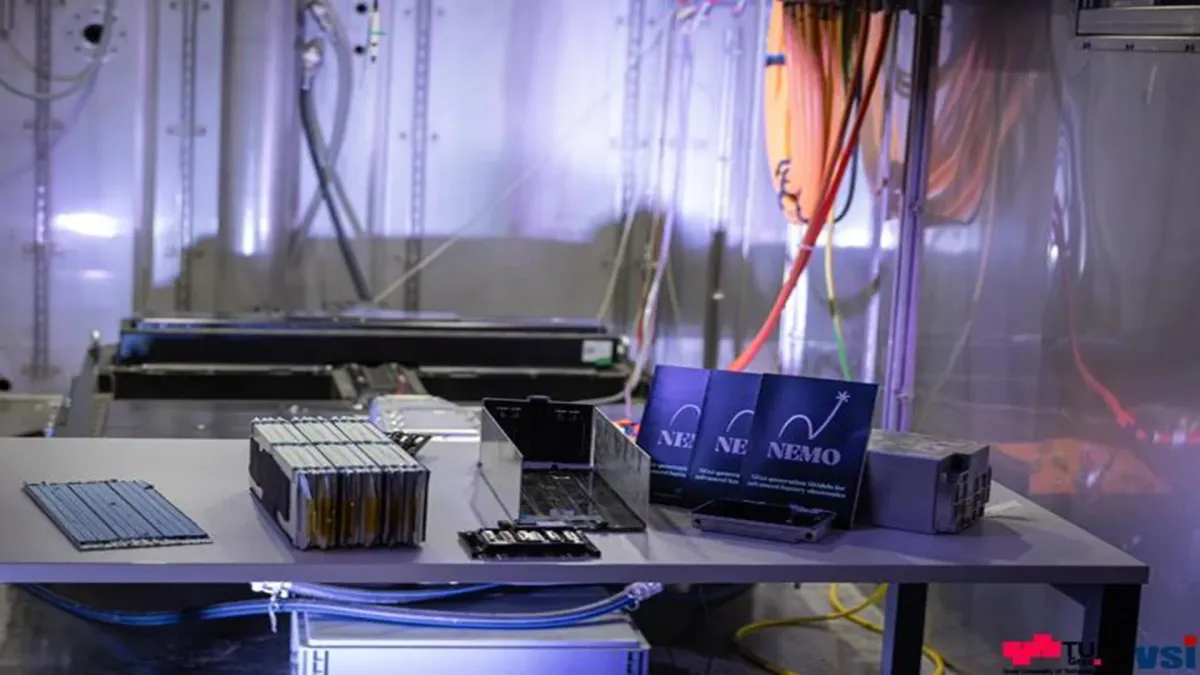
Schütte and his team got their hands on 120 Hina sodium-ion cells and put them through the wringer. They zapped them with impedance spectroscopy (which sounds like something from a sci-fi movie but is actually just a fancy way to check uniformity) and ran them through real-world scenarios, from a balmy 45 °C down to a shivering -20 °C.
Then came the fun part: X-rays, followed by a full teardown. Because apparently, that's how you really get to know a battery.
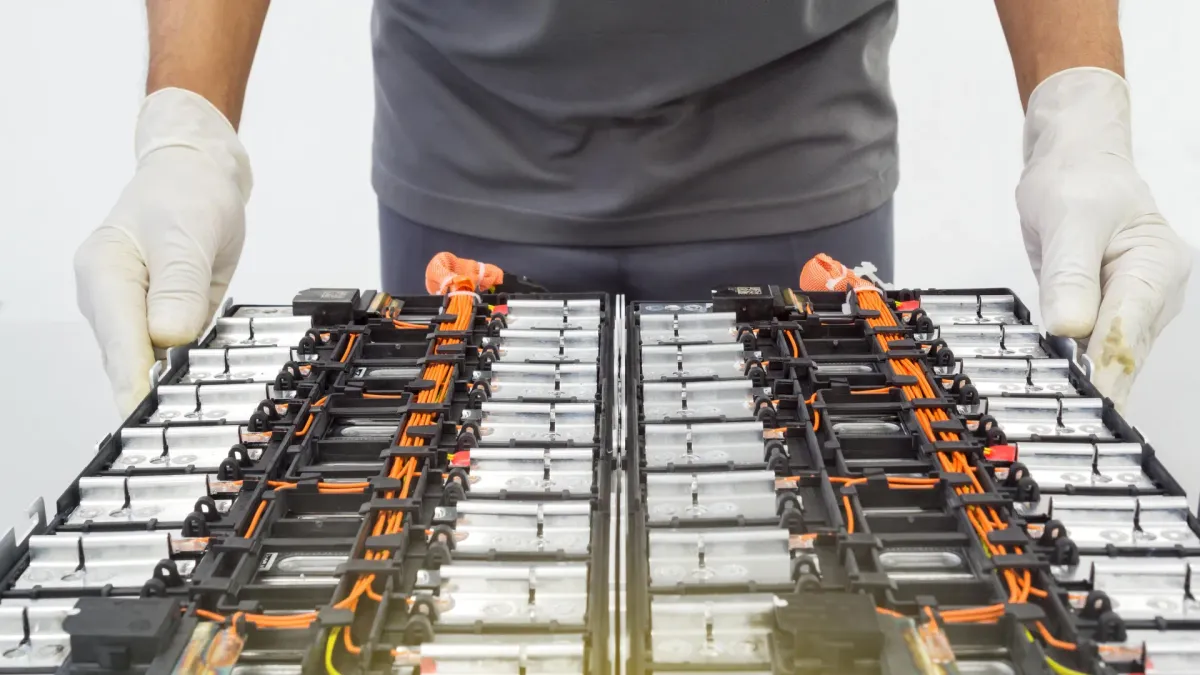
What they found was a "tabless, double-aluminum current collector" design. This little innovation lowers electrical resistance and keeps things cool, which is both impressive and slightly terrifying. The kicker? It's practically a doppelganger for the design Tesla uses in its own batteries. Schütte admitted they were genuinely surprised by how uniform these cells were. Let that satisfying number sink in.
The Good, The Cold, and The Copper
While this sodium-ion tech is showing off some serious potential, it's not quite ready to dethrone the reigning lithium-ion champs. It performs well at high power, especially for such an early commercial product. But when the mercury drops, so does its charging prowess. Cold weather charging is still a clear weak spot, meaning better thermal management will be key for chilly applications.
The team also spotted high levels of copper in the battery's cathode, and it wasn't exactly spread out nicely. This raises questions about how copper might be affecting performance and how the battery ages. Schütte is already looking forward to future sodium-ion designs that ditch the nickel and copper but still deliver the goods on energy density.
Why Sodium Is The New Black (For Batteries)
Lithium is great, but it's not exactly falling out of the sky. Sodium, on the other hand, is abundant. Like, really abundant. This means manufacturers could slash raw material costs and finally get some sleep without worrying about the next supply chain crisis. Plus, sodium-ion batteries actually perform pretty well under load in cold conditions, making them ideal for energy storage and vehicles in, say, Canada.
Of course, current sodium-ion cells generally have lower energy density than the best lithium-ion ones, and the tech is still playing catch-up. But the goal is clear: safer, more efficient charging below 0°C and optimized materials — especially hard-carbon anodes and electrolyte formulas.
So, while your phone isn't going to be powered by table salt tomorrow, the future of electric everything might just have a salty kick.