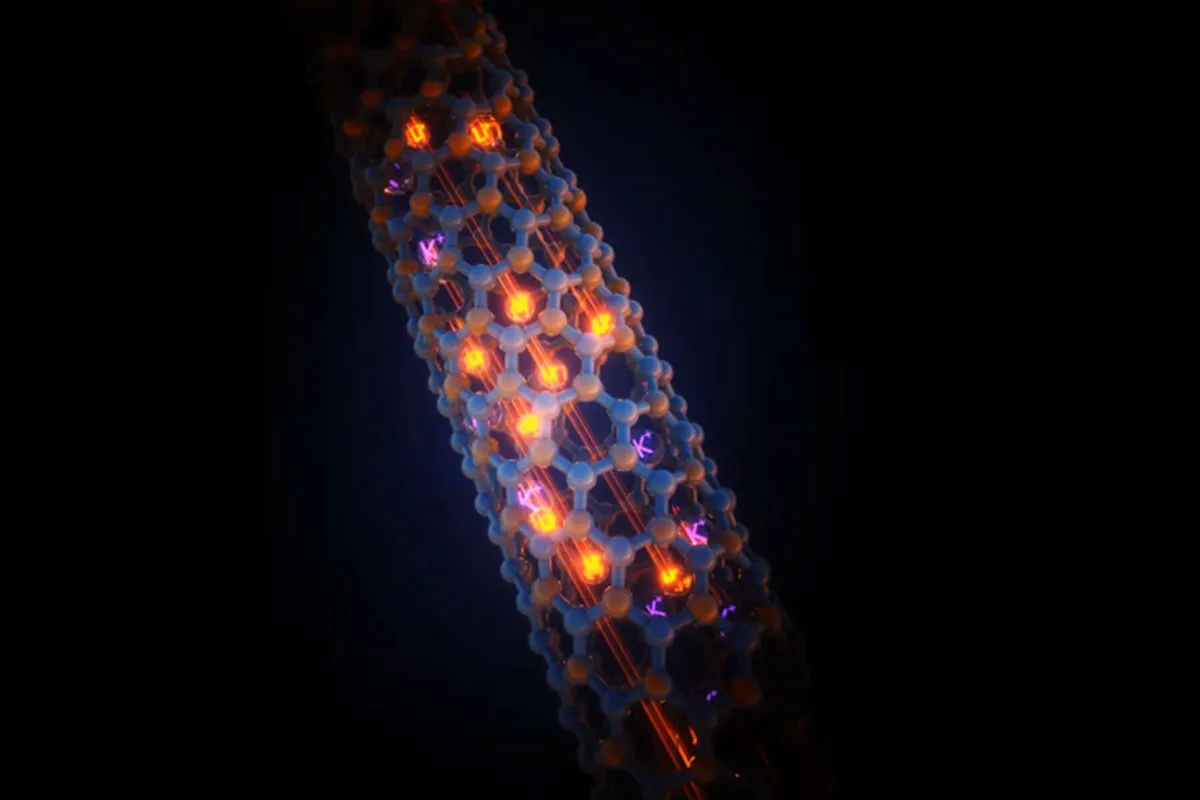
Researchers have finally figured out why solid-state batteries short-circuit. This discovery could lead to safer, longer-lasting batteries for phones, electric cars, and other devices.
When you charge a smartphone or an electric car, tiny lithium ions move inside the battery to store energy. Solid-state batteries promise to make these devices much better. They could make phones last longer, store energy more safely, and allow electric cars to travel much farther on one charge.
However, a big problem has stopped these batteries from becoming common. Tiny structures called dendrites can grow inside the battery and destroy it.
We're a new kind of news feed.
Regular news is designed to drain you. We're a non-profit built to restore you. Every story we publish is scored for impact, progress, and hope.
Start Your News DetoxNow, scientists at the Max Planck Institute for Sustainable Materials (MPI-SusMat) have found out exactly how these tiny flaws cause batteries to fail. Their findings, published in Nature, help solve a major challenge for the next generation of energy storage.
The Promise of Solid-State Batteries
Regular lithium-ion batteries use a liquid to move ions. Solid-state batteries, however, use a solid ceramic material instead. This change offers many benefits.
Solid-state batteries could store more energy in the same space. They could also reduce fire risks and last longer. Car makers and electronics companies are very interested in this technology. It could greatly improve battery performance. Imagine smartphones lasting for days or electric cars driving three times farther on a single charge.
The Mystery of Soft Lithium and Hard Ceramic
Despite their advantages, solid-state batteries have a surprising weakness. When charging, needle-like dendrites grow from the lithium part of the battery into the solid ceramic. If these dendrites reach the other side, they cause a short circuit, which quickly breaks the battery.
Scientists were puzzled by how soft lithium metal could break through a much harder and stiffer ceramic material.
Dr. Yuwei Zhang, who led the study, explained that lithium metal is soft, like a gummy bear. Yet, these dendrites can still break through the ceramic and cause a short circuit.
There were two main ideas about how this happened. One idea was that stress built up inside the dendrites, causing the ceramic to break. The other was that electrons leaked along the edges of the ceramic, helping new lithium spots form and connect.
To find the right answer, the researchers used a special method. They studied the materials in a vacuum and at very cold temperatures. This stopped oxygen and moisture from interfering and reduced other unwanted effects from their electron microscope.
How Batteries Fail
The team looked closely at lithium dendrites stuck in cracks in the ceramic. They found no signs of lithium building up at the tip of the dendrite. This finding made the second idea less likely.
Instead, their results showed that pressure built up inside the dendrite itself.
Zhang said that the soft lithium metal can break through the stiff ceramic, much like a continuous stream of water can wear away a rock. They calculated that the pressure inside the dendrite eventually causes the ceramic to fracture.
Other tests and computer simulations also supported these findings.
Now that they understand how dendrites cause cracks, the team is looking for ways to stop them. They are exploring making the ceramic stronger, adding tiny holes to redirect dendrite growth, and putting protective layers on the lithium parts to prevent dendrites from forming.
This research shows how important it is to understand how materials work at a basic level to create new technologies for everyday use.
Deep Dive & References
Mechanically driven Li dendrite penetration in garnet solid electrolyte - Nature, 2026