It's inspiring to see how different cultures are moving away from fossil fuels towards a future powered by renewable energy. Greece offers a unique example, combining sunshine and heat pumps to achieve a resilient, net-zero lifestyle.
Heat Pumps Everywhere
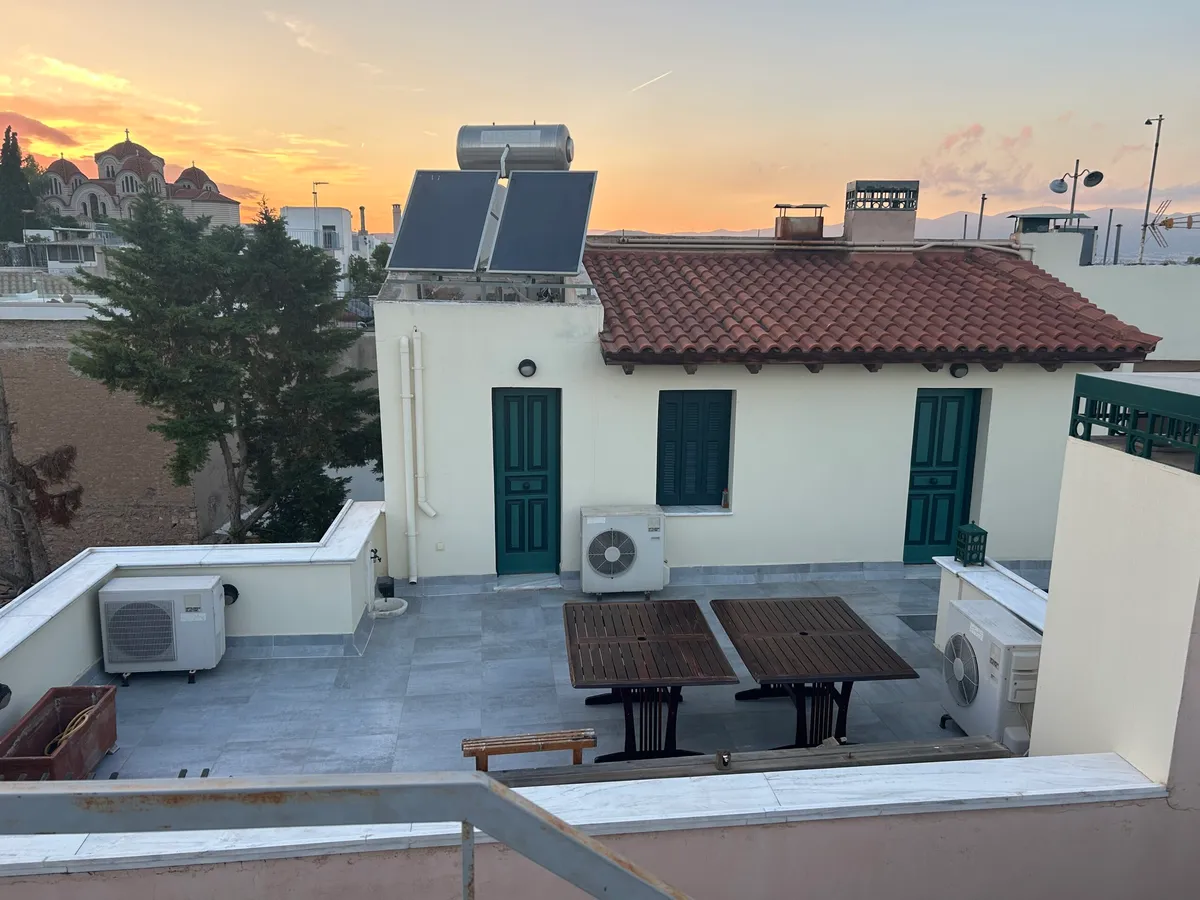
Greece has fully embraced heat pumps, making them a common sight. They are an ideal choice for the country's mild climate and can be powered by its abundant sunshine. You can spot these ductless units above doorways, on balconies, rooftops, and walls. Ductless heat pumps are very efficient because they don't lose energy through leaky ducts and don't rely on backup electric resistance heat.
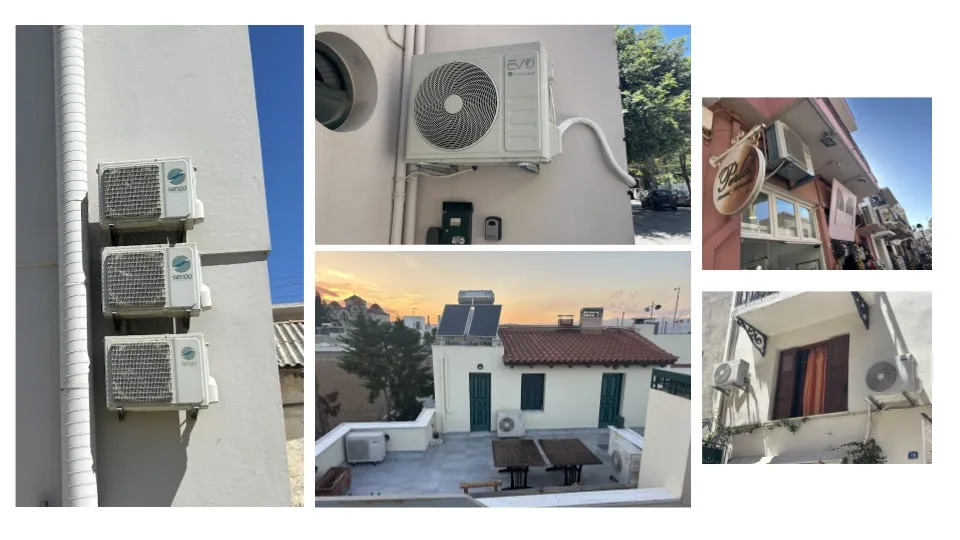
In Greece, heat pumps are mainly used for cooling, as the country has greater cooling needs than heating. While some older heating systems still use oil and natural gas, the existing heat pump setup can handle all heating and cooling. As fossil fuel prices rise and more solar power becomes available, Greeks can easily switch to their heat pumps year-round.
We're a new kind of news feed.
Regular news is designed to drain you. We're a non-profit built to restore you. Every story we publish is scored for impact, progress, and hope.
Start Your News DetoxHarnessing the Sun's Energy
Greece makes the most of its intense sunlight in several ways.
Solar Panels (PV)
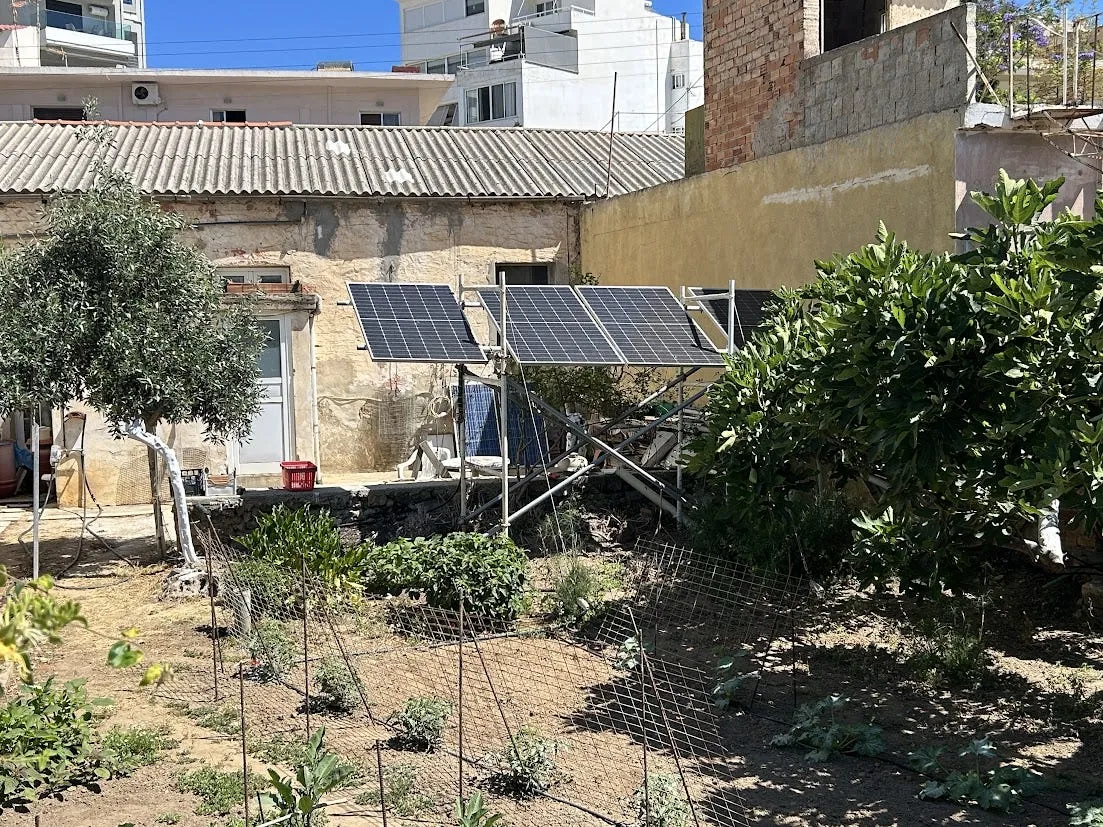
Greece is actively participating in the global shift to solar power. The country's solar energy capacity has grown significantly, from 1.5 GW in 2012 to 11.5 GW last year. In 2025, solar accounted for 17% of all Greek electricity. Low-carbon power now makes up about half of Greece's energy mix and is rapidly expanding. Solar arrays are visible along mountain roads, on rooftops, and even on portable stairs used for boarding airplanes.
Clothes Drying
One simple and effective use of solar energy in Greece is for drying clothes. Unlike many other countries, clothes dryers are almost nonexistent. Instead, abundant sunshine quickly dries laundry on racks and clotheslines. This practice saves 3 to 5 kWh of electricity per load compared to electric dryers. Plus, clothes dried this way often smell fresh, like the sea and sunshine.

Solar Water Heating
Greece also widely uses solar water heating. This technology uses refrigerant in a panel to collect heat from the sun, which then heats water for household use. While solar water heating has remained a niche market in many places due to high costs, it is common in Greece. Every building seems to have a solar water heater on its roof. Greece ranks sixth globally for solar water heating installations, with 35% of Greek homes having one as of 2021.
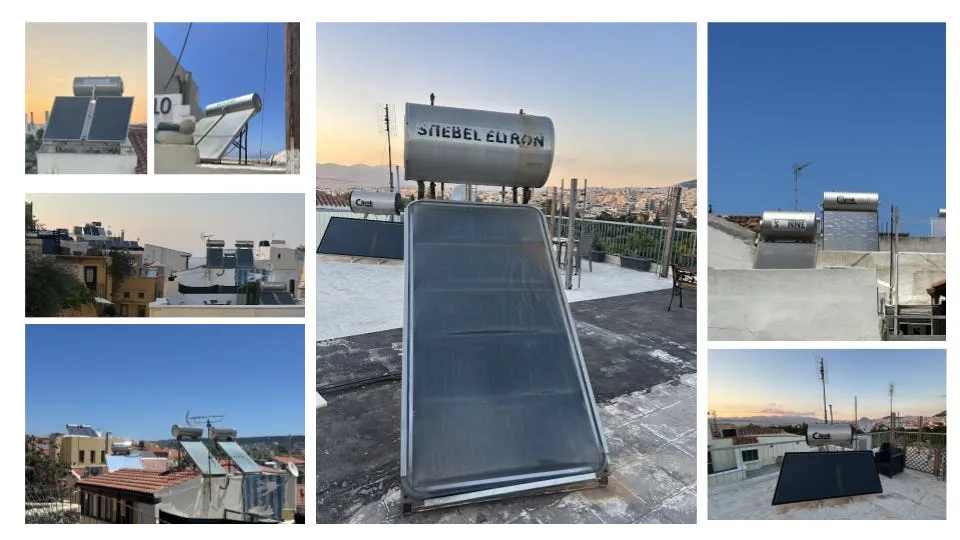
Solar water heating provides essentially free fuel for heating water, saving $400 to $600 annually compared to gas and electric water heaters. Greece has managed to overcome the high upfront costs associated with this technology. Equipment costs only 350 to 1000 euros, often reduced by half with rebates. Installation can be as low as 200 to 250 euros. This shows what a mature, low-cost, decarbonized water heating market can look like.
Electric Vehicles: Room for Growth
Electric vehicles (EVs) are the third key technology for a net-zero future. However, Greece is somewhat behind in this area. In 2025, EVs made up 6.2% of the Greek auto market, about one-third of the European average. Renting an EV in Crete cost nearly four times more than a comparable gas car.

While driving an EV saved money on gas, finding a charging station on the island of Crete was difficult. After visiting seven different stations, many of which were occupied or not working, the car had to be charged at the airport rental location with only 5% battery left. This experience highlights the need for better EV infrastructure in Greece.
Despite the challenges with EV charging, Greece's widespread use of heat pumps and diverse solar energy applications are impressive. The country demonstrates how clean energy and related technologies can become the norm, benefiting both people and the planet. Greece offers valuable lessons, especially for regions with warm climates, on how to maximize the use of abundant sunlight.