Dr. Alvin Helden was deep in Uganda's Kibale National Park, above the mist line at 1,500 meters, when he found something that science had somehow missed: seven entirely new species of leafhopper, creatures so visually similar to each other that they'd been hiding in plain sight.
These insects belong to the genus Batracomorphus — a name that hints at their frog-like appearance. Before Helden's fieldwork, only 375 species of Batracomorphus had been formally described worldwide. Just two lived in the UK. Now, with these seven additions, the picture of this genus is suddenly more complete.
The discovery required a particular kind of patience. Helden set light traps in the rainforest canopy and then faced the real challenge: proving that what he'd caught were actually new species. Members of this genus look almost identical to the untrained eye. The only reliable way to tell them apart is through detailed examination of their genitalia — a system nature uses like a lock and key. The male's shape fits only the female of the same species, ensuring reproduction stays true to type. It's precise, it's elegant, and it meant Helden had to spend hours with a microscope to confirm what he'd found.
We're a new kind of news feed.
Regular news is designed to drain you. We're a non-profit built to restore you. Every story we publish is scored for impact, progress, and hope.
Start Your News Detox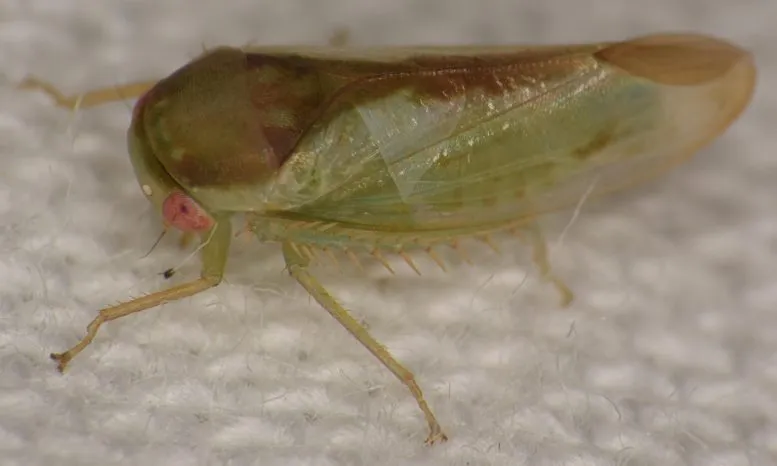
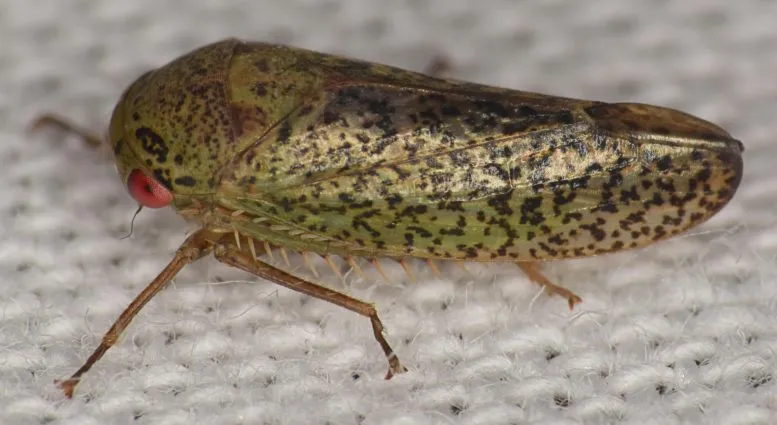
Leafhoppers get dismissed easily — some are crop pests, nibbling at maize and rice — but Helden sees them differently. "Leafhoppers are beautiful, endearing creatures," he says. "Overall, they're a really undervalued group of herbivores." They're food for birds and other insects. Their presence signals a healthy ecosystem. In a rainforest already under pressure, finding seven new species here is a reminder of how much biodiversity remains undocumented, how much we still don't know about the places we're racing to protect.
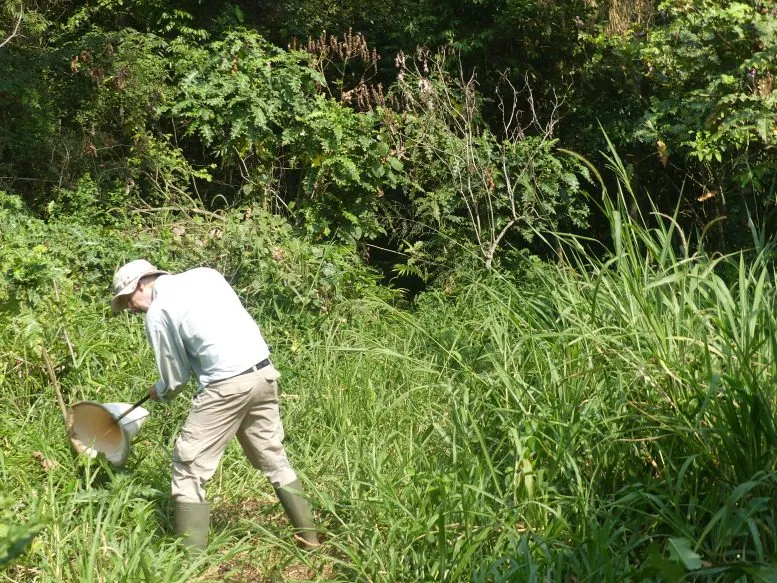
Helden named six of the species using Greek, drawing from their distinctive features or the locations where he found them. The seventh carries a different weight. Batracomorphus ruthae honors his mother Ruth, who was a scientist herself and the one who first showed him that the natural world was worth paying attention to. It's the kind of naming that reminds us why people spend months in rainforests with light traps and microscopes — not for glory, but for the chance to see what's really there, and to mark that moment with gratitude.
The work appears in Zootaxa and represents the kind of foundational taxonomy that underpins conservation. Before you can protect something, you have to know it exists.