Kangaroos cause about 90% of all wildlife crashes in Australia. This is according to a study by Australian Associated Motor Insurers Limited. Wallabies, wombats, and deer cause the rest.
Australia has many kangaroos. In 2024, the government reported about 35.3 million kangaroos. That's about 1.36 kangaroos for every person.
A New Sound to Keep Kangaroos Safe
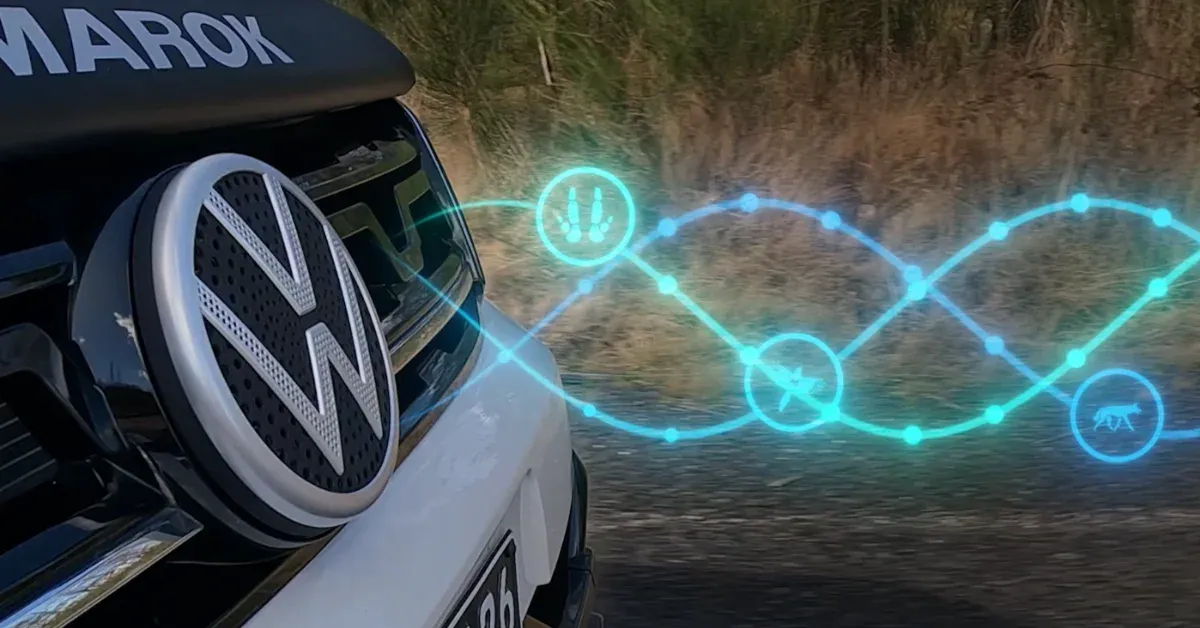
In 2019, Volkswagen started working on a solution. They created a new safety feature for car bumpers called "RooBadge." It aims to reduce crashes between cars and kangaroos.
We're a new kind of news feed.
Regular news is designed to drain you. We're a non-profit built to restore you. Every story we publish is scored for impact, progress, and hope.
Start Your News DetoxVolkswagen teamed up with Dr. Helena Bender and Professor Graeme Coulson. Coulson is a top kangaroo behavior expert from the University of Melbourne. Together, they designed high-frequency sounds. These sounds alert and deter kangaroos as cars approach.
The RooBadge uses a special method. It mixes sounds that are meaningful to kangaroos, like bird alarm calls, predator sounds, and kangaroo foot thumps. It also uses synthetic sounds.
There are many types of kangaroos in Australia. Each reacts differently to sounds. So, making one sound to deter them all is very hard. The RooBadge uses machine learning. It compares the car's GPS location with kangaroo distribution data. This helps it optimize the sound. It deters the specific kangaroo species in that area.
Volkswagen is also working with the Wildlife Information Rescue and Education Service (WIRES). They want to improve kangaroo distribution data. This will help identify new "hotspots" for kangaroo collisions.
The RooBadge is currently in its fourth round of testing. Nathan Johnson, Volkswagen's commercial vehicles director, said they will not release anything that doesn't work. They want to make sure it's a good option.
Beyond Kangaroos: Protecting Other Animals
Volkswagen believes the RooBadge technology could help other animals too. Once perfected, it could be used for deer in Europe and North America. These animals cause many collisions there. The company is working with partners overseas to adapt the RooBadge for other problem animals worldwide.
What Drivers Can Do
Government officials and wildlife experts are spreading awareness. They use road safety messages and "Kangaroo Crossing" signs.
Chris Emerson, an insurance research specialist, advises drivers to watch for wildlife. This is especially important at dawn and dusk. If you see an animal, brake but do not swerve. Swerving can cause crashes with other cars. Drivers should slow down in areas where animals might be present and pay attention to wildlife signs.
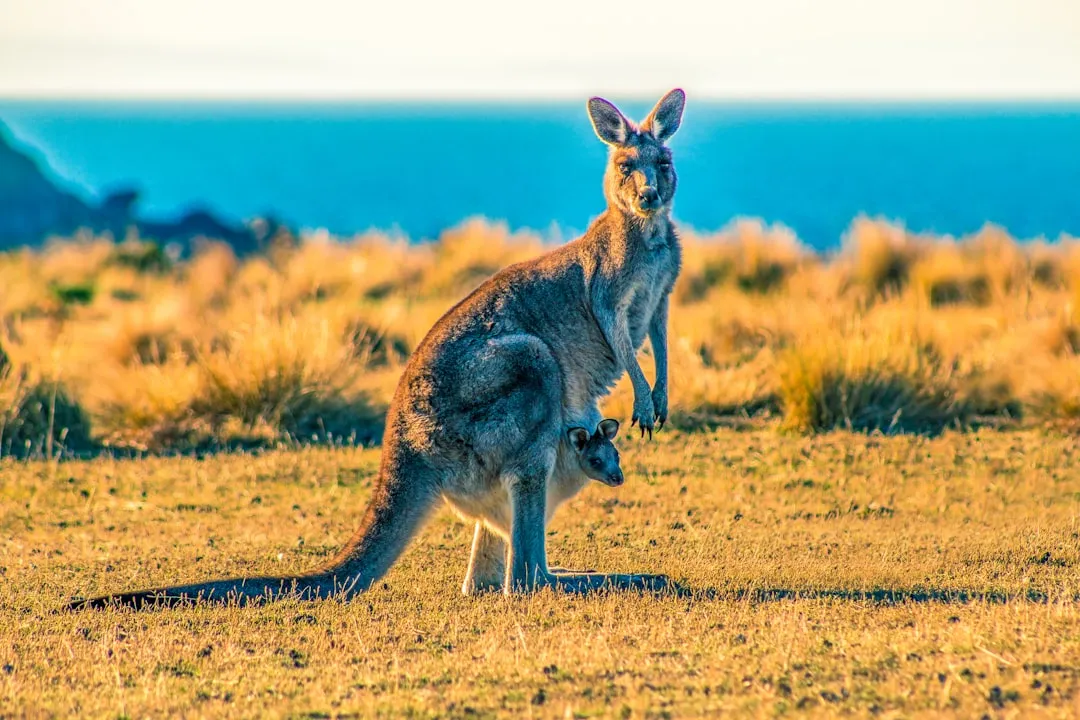
Sadly, a kangaroo hit by a car might have a joey in its pouch. Joeys stay in their mother's pouch for six to ten months. If a joey is orphaned, WIRES volunteers help rehabilitate them.
Diane Kirkland is one such volunteer. She has rescued injured and orphaned joeys in New South Wales for almost ten years. She has raised and released many joeys on her farm. She makes sure they are loved and cared for.
Kirkland leaves water and pellets out for the joeys she releases. This gives them extra food if they need it.