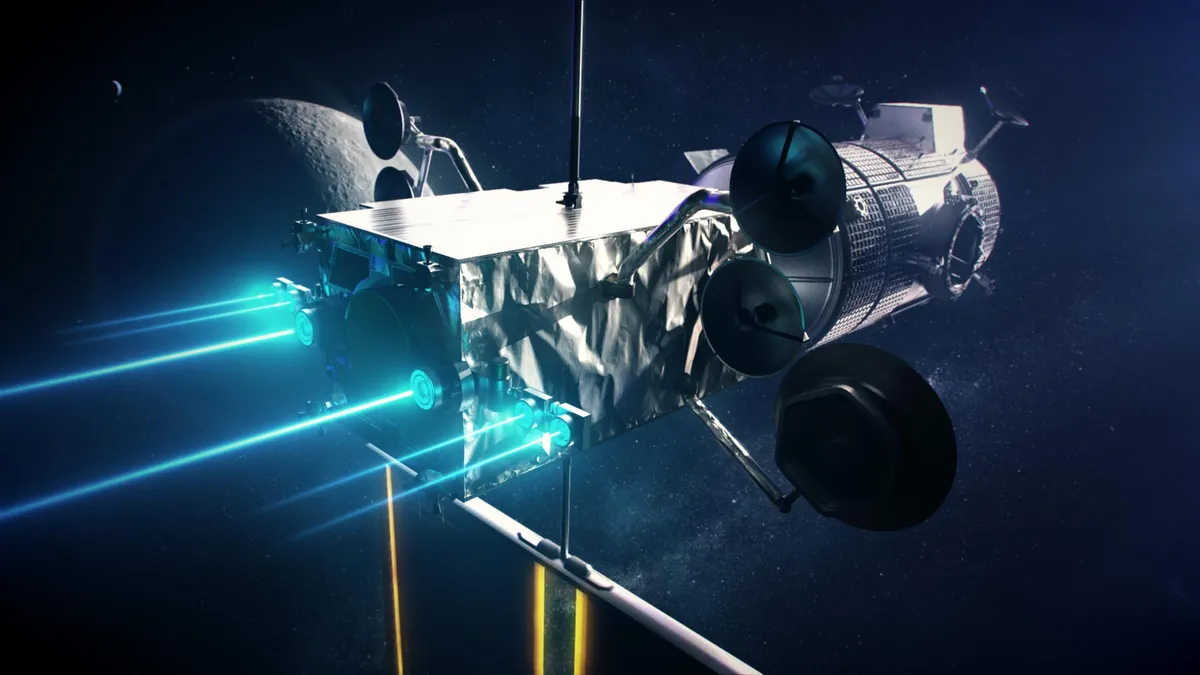
NASA's Power and Propulsion Element—the solar electric powerhouse that will keep the Gateway lunar station running—just proved it can do the job. Engineers powered up the system and confirmed it can generate 60 kilowatts of electricity, enough to supply power, enable high-speed communications, control the spacecraft's orientation, and adjust its orbit when needed.
Gateway itself is NASA's planned outpost that will orbit the Moon as a staging point for deep space exploration. Unlike the International Space Station, it won't be continuously staffed—crews will visit for shorter stretches to run experiments, test new tech, and prepare for lunar surface missions. That means the Power and Propulsion Element needs to be reliable enough to keep systems running whether humans are aboard or not.
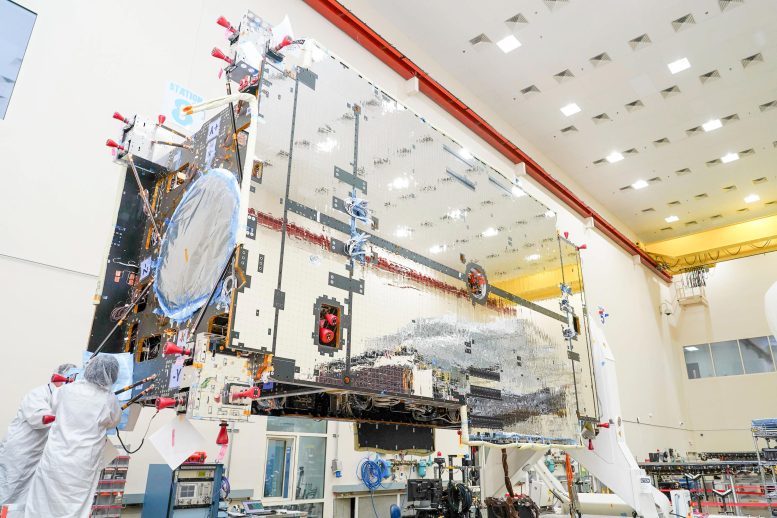 Gateway's Power and Propulsion Element Integration
The pieces coming together
NASA's Glenn Research Center in Cleveland oversees the project, while Lanteris Space Systems in Palo Alto is building the hardware. The main electrical system is now secured inside protective outer panels. Next comes the propulsion systems—three advanced 12-kilowatt thrusters from L3Harris and four 6-kilowatt thrusters from Busek will give Gateway the ability to maneuver through space and maintain its orbit. The solar arrays that will actually generate the power have already been completed and are being tested at Redwire's facility in Goleta, California.
We're a new kind of news feed.
Regular news is designed to drain you. We're a non-profit built to restore you. Every story we publish is scored for impact, progress, and hope.
Start Your News Detox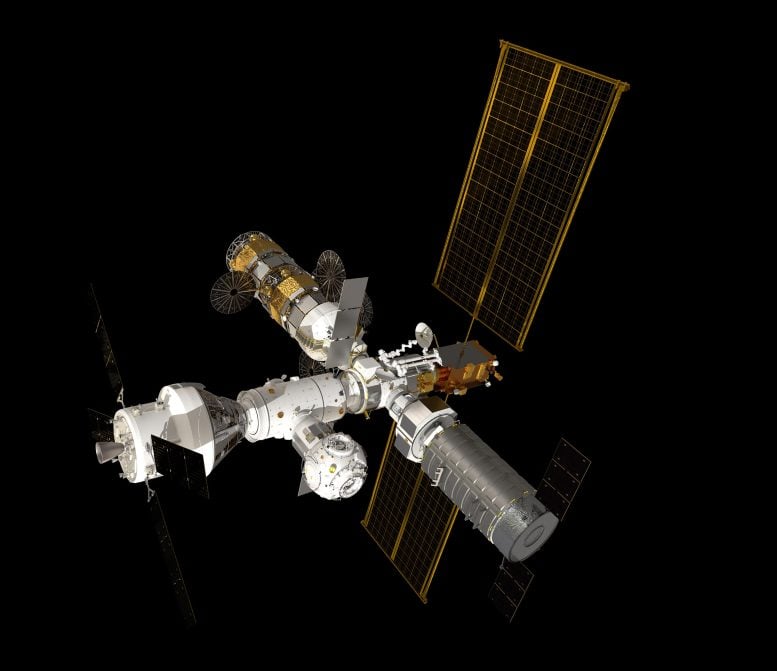 Gateway With Orion
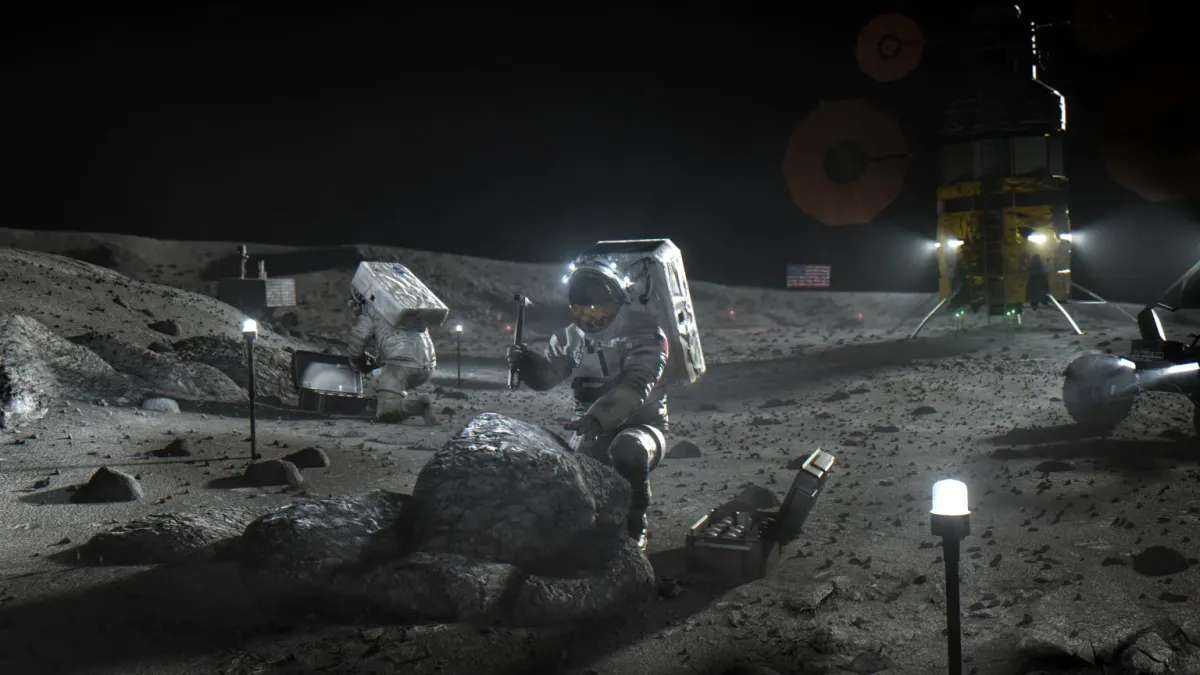
Gateway is part of NASA's broader Artemis program—the push to return humans to the Moon and eventually reach Mars. The station will operate in a highly stable lunar orbit and serve as a hub where international and commercial partners can contribute modules, systems, and research. By working in deep space, far from Earth's protective magnetic field and atmosphere, engineers will learn how spacecraft and humans actually perform in conditions nothing on Earth can fully replicate.
The Power and Propulsion Element's successful power-up is one of those milestones that doesn't make headlines but matters deeply—it's the proof that one of Gateway's most critical systems actually works. As construction continues over the coming months, each completed subsystem moves the lunar station closer to becoming operational.