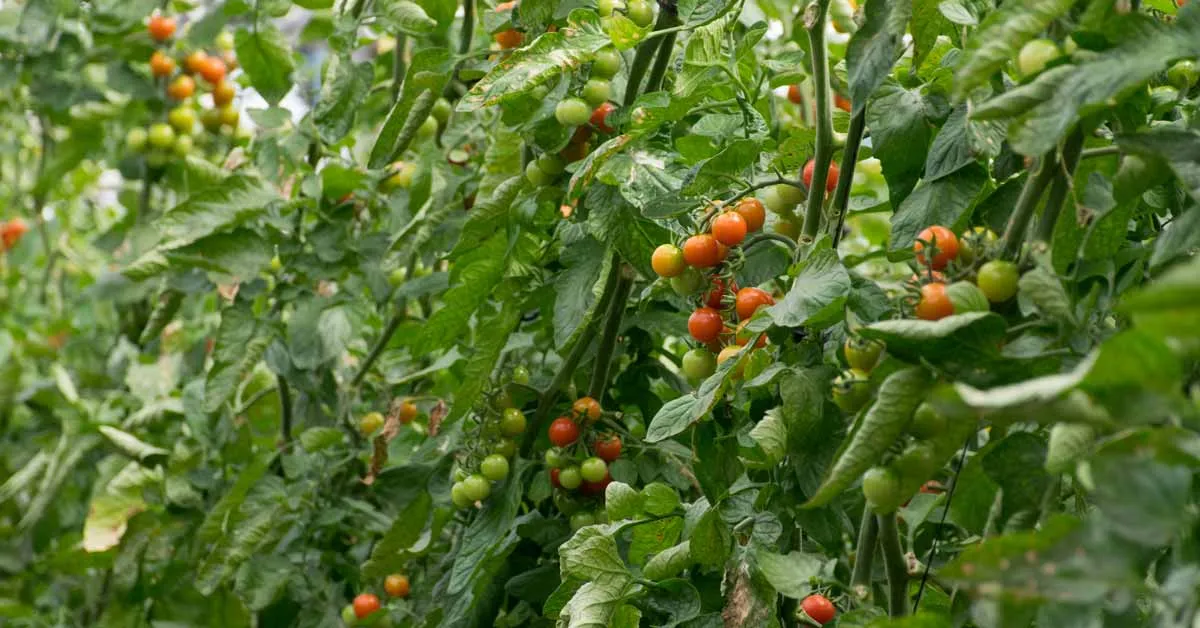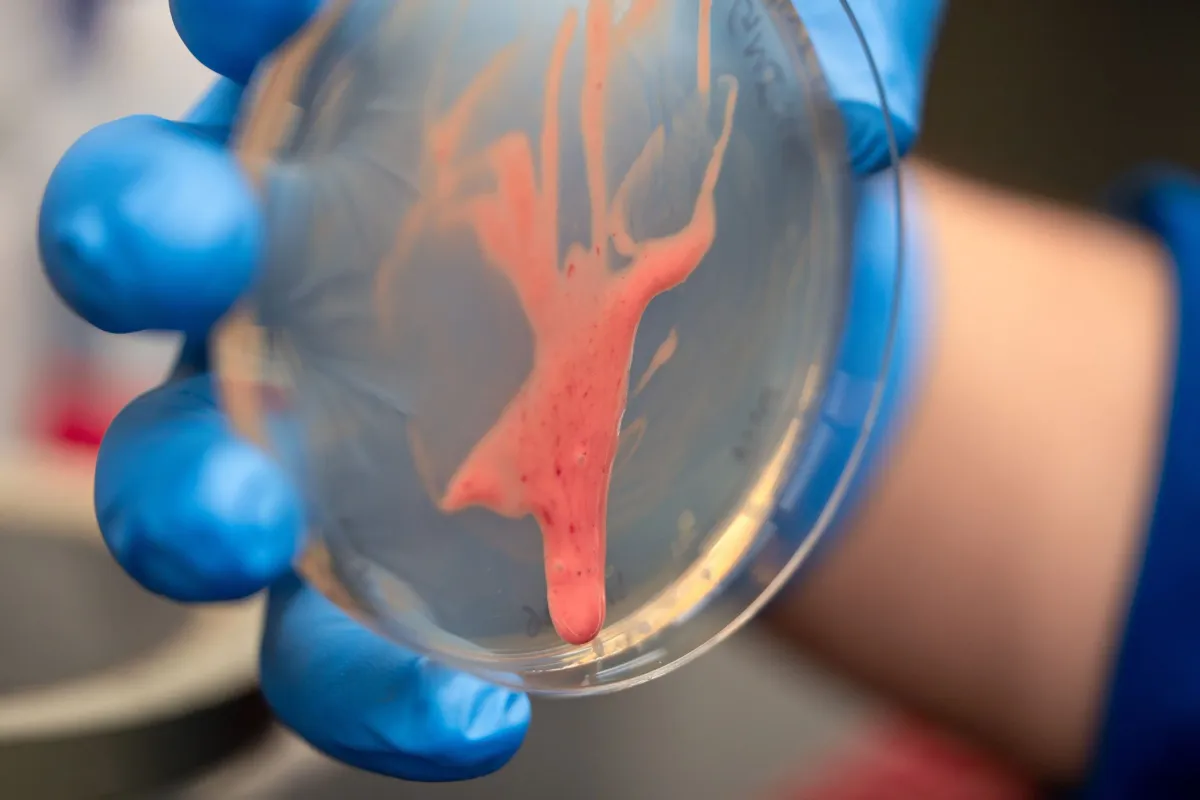
Scientists have long watched Ralstonia bacteria tear through tomato and potato fields with almost surgical precision — wilting entire plants in days. Now they know why: the bacteria produce an unusually runny, sticky coating that lets them flow through plant vessels like water through a pipe.
Most bacteria protect themselves with a biofilm, a thick defensive layer. Ralstonia's version is different. It secretes a substance made of long sugar-like molecules called exopolysaccharide 1 (EPS-1) that stays loose and fluid instead of hardening. Researchers at UC Davis discovered this wasn't just a quirk — it's the key to the bacteria's destructive speed.
When water naturally moves through a plant's xylem vessels (the plumbing system that carries nutrients), it creates shear forces that would normally slow down or trap bacteria. But Ralstonia's gooey coating flows under those exact pressures, allowing the pathogen to spread faster than the plant can respond. It's less like an invasion and more like the bacteria are surfing on the plant's own internal currents.
We're a new kind of news feed.
Regular news is designed to drain you. We're a non-profit built to restore you. Every story we publish is scored for impact, progress, and hope.
Start Your News DetoxWhat makes this finding significant is how specific it is. The researchers tested other Ralstonia strains and related bacteria — none of them showed the same flowing behavior. This trait appears uniquely adapted to plant pathogenesis, which suggests it evolved specifically for this purpose.
For crop scientists, the discovery points toward new ways to interrupt the bacteria's movement. If you can change the viscosity of that coating or block its production, you might slow the infection enough for a plant's immune system to fight back. For physicists, it's also a rare chance to study how complex fluids behave in biological systems — the kind of fundamental understanding that sometimes leads to unexpected applications.
Ralstonia affects more than just tomatoes and potatoes; it's a problem for bananas, peppers, and dozens of other crops worldwide. Understanding the mechanics of its spread is the first step toward stopping it.