A father's exposure to microplastics can subtly reprogram his sperm in ways that increase his daughter's risk of diabetes, even before she's born. Researchers at UC Riverside have uncovered what may be the first documented mechanism linking paternal environmental pollution directly to metabolic disease in the next generation.
Microplastics are fragments smaller than 5 millimeters — the kind shed from everyday plastics as they break down. They're in the air we breathe, the water we drink, the food we eat. What's new here is evidence that they don't just affect the person exposed to them. They appear to leave a biological mark on sperm that influences the health trajectory of offspring.
How the exposure travels across generations
In mouse studies, researchers exposed male mice to microplastics, then bred them with unexposed females. The offspring never directly contacted the pollutants, yet when placed on a high-fat diet (mimicking Western eating patterns), the daughters of exposed fathers developed metabolic dysfunction at significantly higher rates than daughters of unexposed fathers. The sons showed a different pattern — slightly reduced fat mass but no diabetes.
We're a new kind of news feed.
Regular news is designed to drain you. We're a non-profit built to restore you. Every story we publish is scored for impact, progress, and hope.
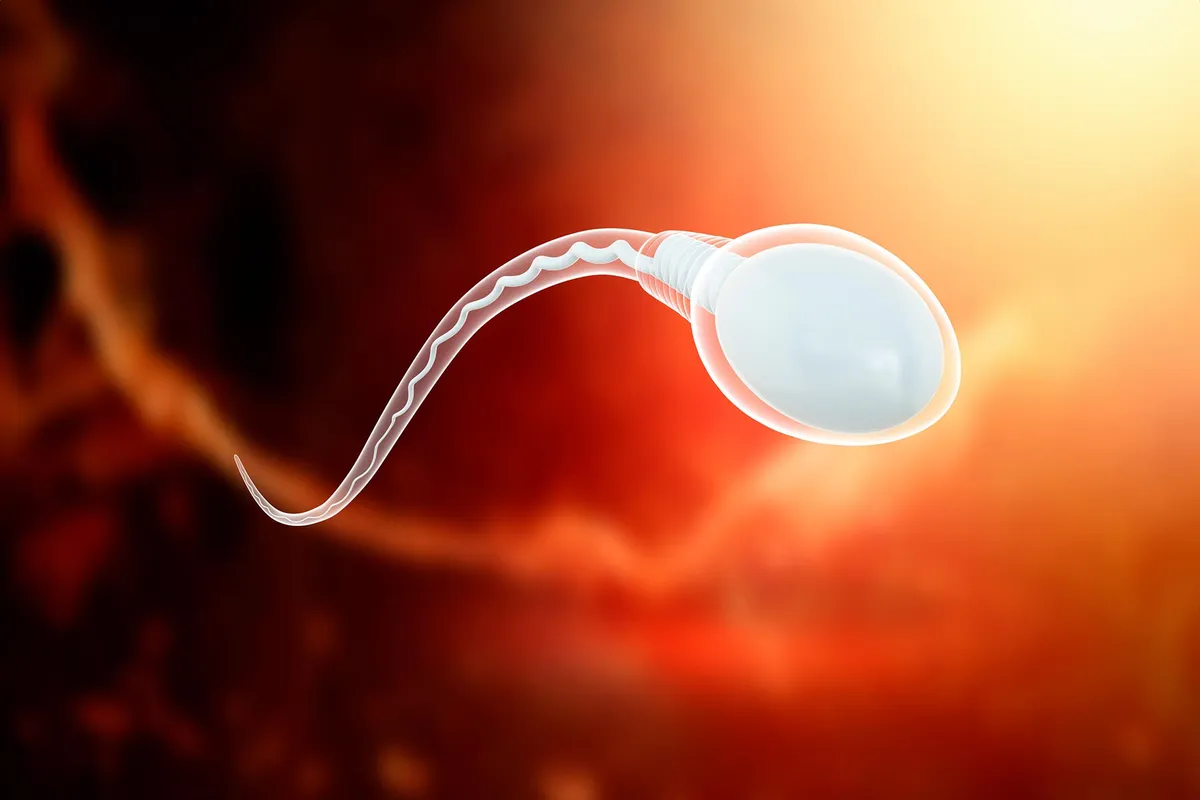
Start Your News DetoxThis sex-specific response points to something precise happening at the molecular level. Using a specialized sequencing technology called PANDORA-seq, the team discovered that microplastic exposure alters the chemical cargo of sperm — specifically small RNA molecules that act like "dimmer switches" for genes. These aren't changes to DNA itself, but to the regulatory signals that tell genes when and how much to activate during fetal development.
Changcheng Zhou, the lead researcher, emphasizes the scope of this finding: "The impact of plastic pollution is not limited to the individual exposed. It may leave a biological imprint that predisposes children to chronic diseases."
The daughters showed upregulation of genes linked to inflammation and diabetes in their livers — genes that remained quiet in male offspring. This suggests that the metabolic vulnerability is baked into development itself, not simply a matter of lifestyle or diet.
What happens next
This is a mouse study, which means the leap to human implications requires caution. But the mechanism is plausible enough that researchers are already planning investigations into maternal exposure, whether these effects persist across multiple generations, and whether the metabolic damage can be prevented or reversed. The hope is that understanding how environmental exposures rewrite the biological instructions passed through sperm might eventually guide interventions — both at the policy level (reducing microplastic pollution) and at the individual level (helping men reduce exposure when planning to have children).