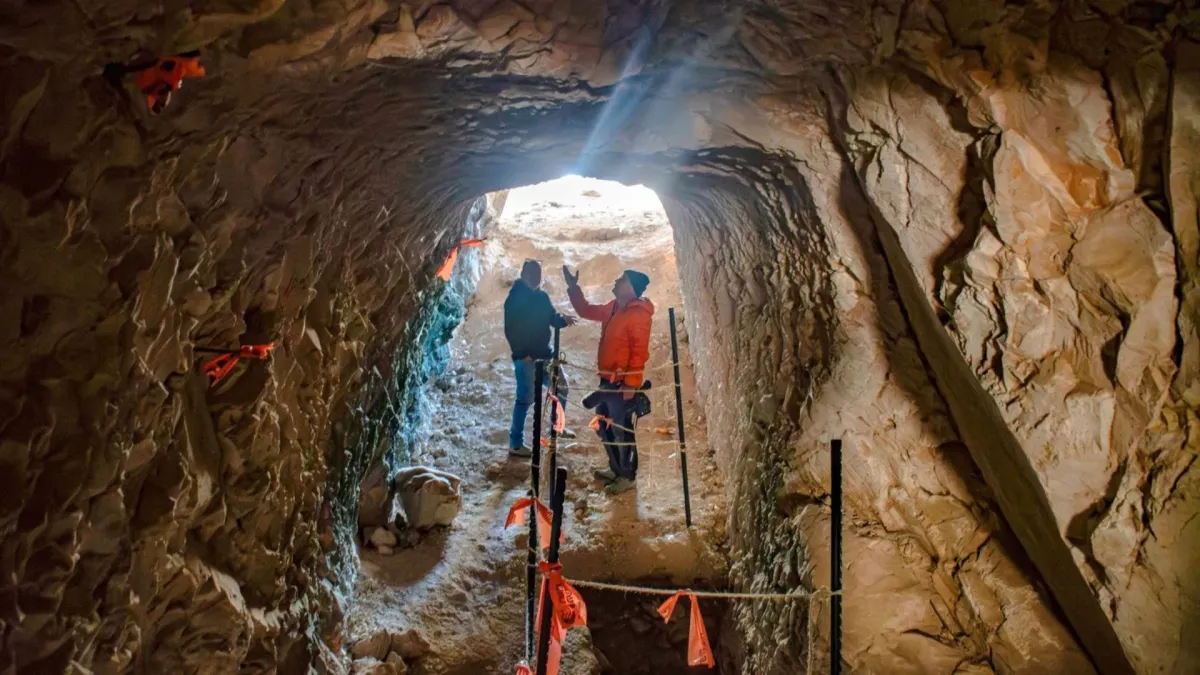
Just outside Jerusalem, near Kibbutz Ramat Rachel, a routine excavation for a new neighborhood took an unexpected turn: archaeologists stumbled upon a 164-foot underground tunnel. And for now, its purpose is a magnificent mystery.
Dr. Sivan Mizrahi and Zinovi Matskevich, leading the Israel Antiquities Authority dig, initially found a natural cavity. That cavity, it turns out, was just the antechamber to something much bigger. Parts of the tunnel are still blocked, so who knows what other secrets it's holding.
A Very Large Hole with No Obvious Purpose
Naturally, the first question everyone asks is: What on earth was it for? Was it a fancy water channel that got lost? An ancient underground farm? A secret factory? Or perhaps a quarry that was just... never quite finished? The mind, and the archaeological team, reel with possibilities.
We're a new kind of news feed.
Regular news is designed to drain you. We're a non-profit built to restore you. Every story we publish is scored for impact, progress, and hope.
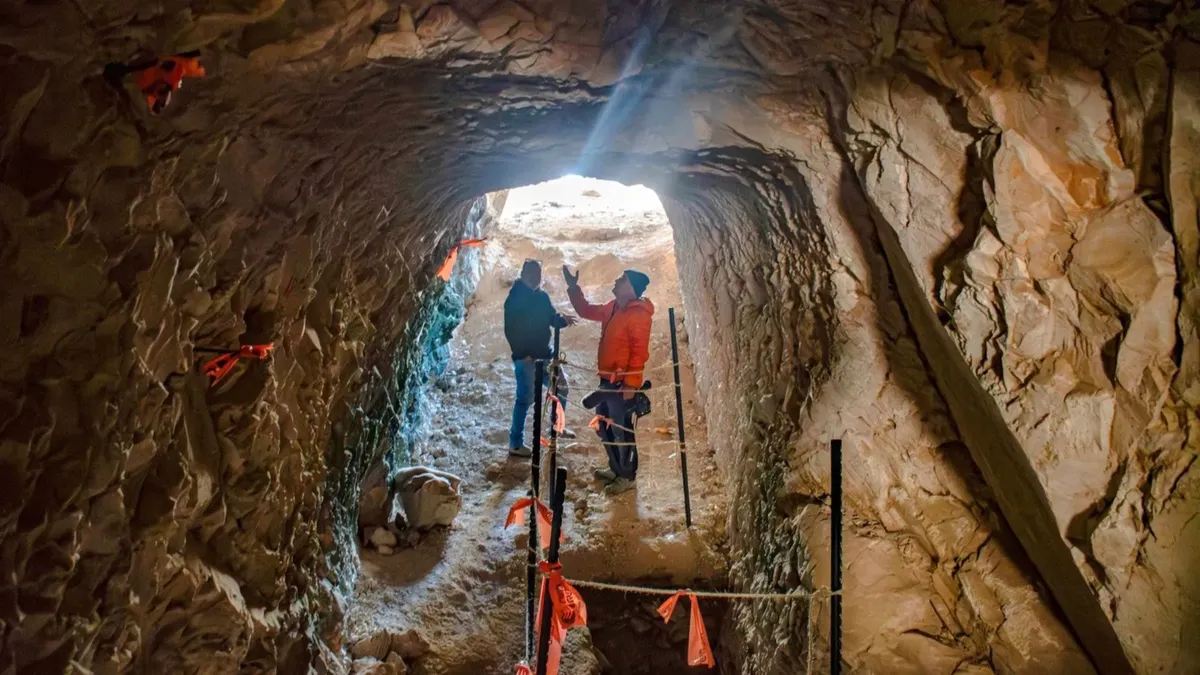
Start Your News DetoxA staircase leads down into this carved opening, which then plunges into the tunnel itself. It had been filled with soil for ages, patiently waiting for someone to clear it out. While its exact age is still up for debate, the nearby Iron Age sites whisper that it could be much older than initially assumed. And the construction? Impeccable. We're talking 16 feet high and nearly 10 feet wide, with quarrying work so precise it suggests meticulous planning and serious resources.
Researchers initially leaned toward a water-related purpose, maybe leading to a hidden spring. But the walls are suspiciously dry, and there's not a water source in sight. Then came the idea of an underground agricultural or industrial site, but its sheer size and unique presence in the area made that feel a bit... much. For now.
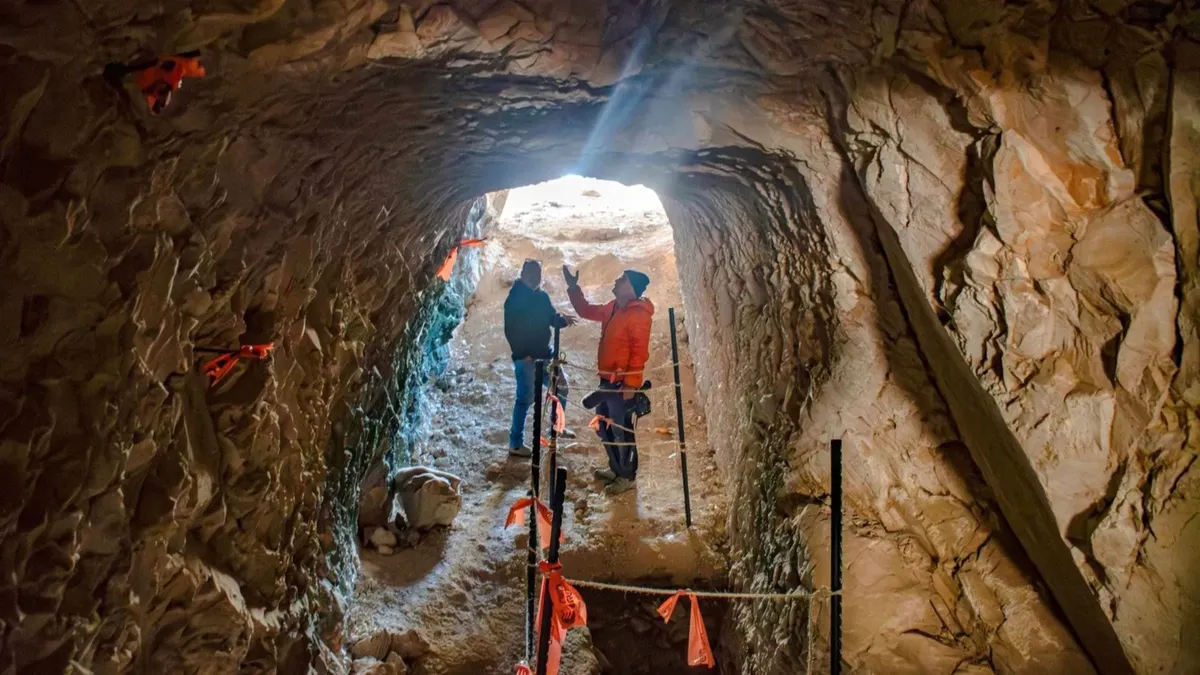
The current leading theory? It was dug to get at a chalk layer, perhaps for building stones or lime production. A ventilation shaft in the ceiling and the debris found within the tunnel lend some weight to this idea. Because apparently, even ancient quarrymen needed good airflow.
This discovery is a big deal for Jerusalem, especially popping up around Jerusalem Day. It's a rather elegant reminder that even as modern development pushes forward, the past is constantly ready to reveal itself, often with a dramatic flair. The Israel Lands Authority notes that the city is a constant source of such finds. And while most eventually get a neat explanation, every now and then, Jerusalem throws archaeologists a curveball that leaves them simply in awe. This tunnel is one of those times.