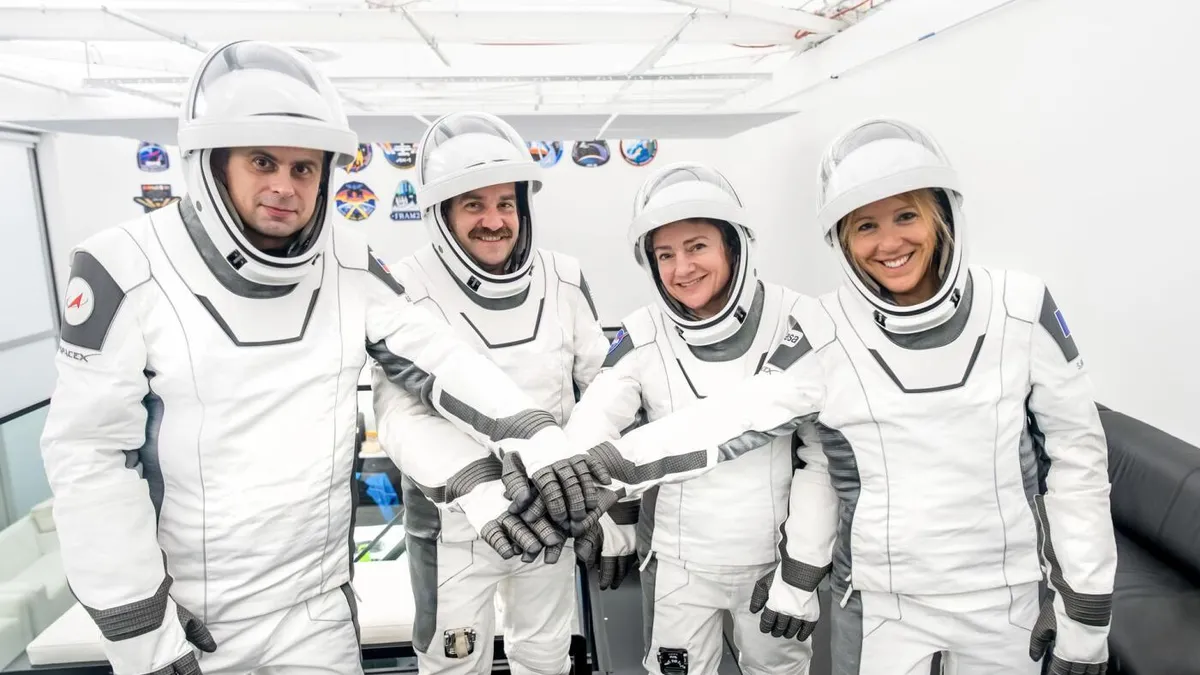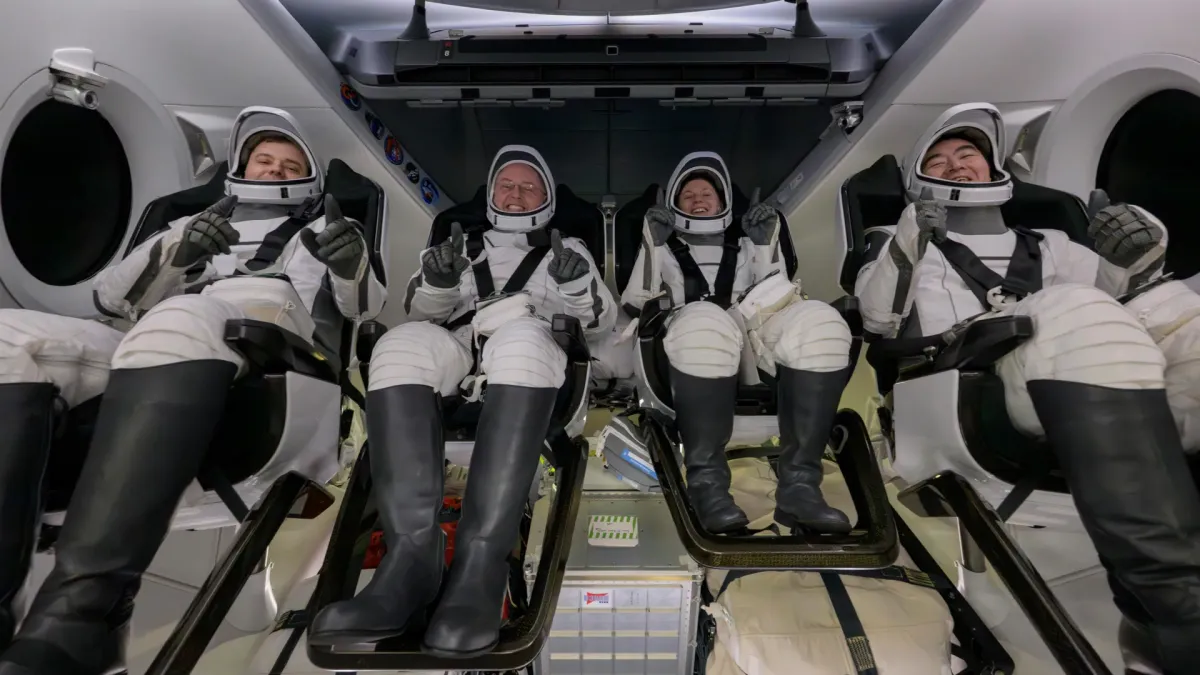
A SpaceX Dragon capsule carrying four astronauts touched down in the early hours of the morning, cutting short what was supposed to be a six-month mission to the International Space Station. NASA astronauts Zena Cardman and Mike Fincke, Japanese astronaut Kimiya Yui, and Russian cosmonaut Oleg Platonov splashed down at 12:41 a.m. PST after spending 167 days in orbit — about a month less than originally planned.
The early return came after NASA identified a medical concern involving one crew member. The agency confirmed the astronaut remains stable but kept further details private. All four were transported to a local hospital following splashdown for additional medical evaluation, with plans for an overnight stay before heading to NASA's Johnson Space Center in Houston for standard postflight assessments.
What They Accomplished
Despite the adjusted timeline, Crew-11 completed more than 140 science experiments during their time aboard the station. The crew logged hundreds of hours on research, maintenance work, and testing new technologies — all while the ISS marked a quiet milestone on November 2: 25 years of continuous human presence in orbit.
We're a new kind of news feed.
Regular news is designed to drain you. We're a non-profit built to restore you. Every story we publish is scored for impact, progress, and hope.
Start Your News DetoxIn those 167 days, the four astronauts completed roughly 2,670 orbits and traveled nearly 71 million miles. Their work contributes to the broader push toward lunar and Martian exploration, with each mission adding knowledge about how humans adapt to long-duration spaceflight.
Why This Matters
What stands out here isn't the disruption — it's how smoothly the system responded to it. NASA, SpaceX, and international partners identified a health issue and executed an early return without panic or improvisation. Recovery teams secured the spacecraft quickly. Medical facilities were ready. The astronauts got evaluated on Earth rather than waiting weeks to return.
This is what a mature spaceflight program looks like: flexible enough to change plans when it matters, coordinated across agencies and countries, and built around the people doing the work. NASA Administrator Jared Isaacman noted the crew's "professionalism and focus kept the mission on track, even with an adjusted timeline."
The Commercial Crew Program — NASA's partnership with private companies like SpaceX — continues to provide reliable access to the station while handling the unpredictable parts of human spaceflight. As NASA prepares for deeper exploration of the Moon and Mars, these kinds of missions, and the systems supporting them, are how we learn to handle complexity beyond Earth.