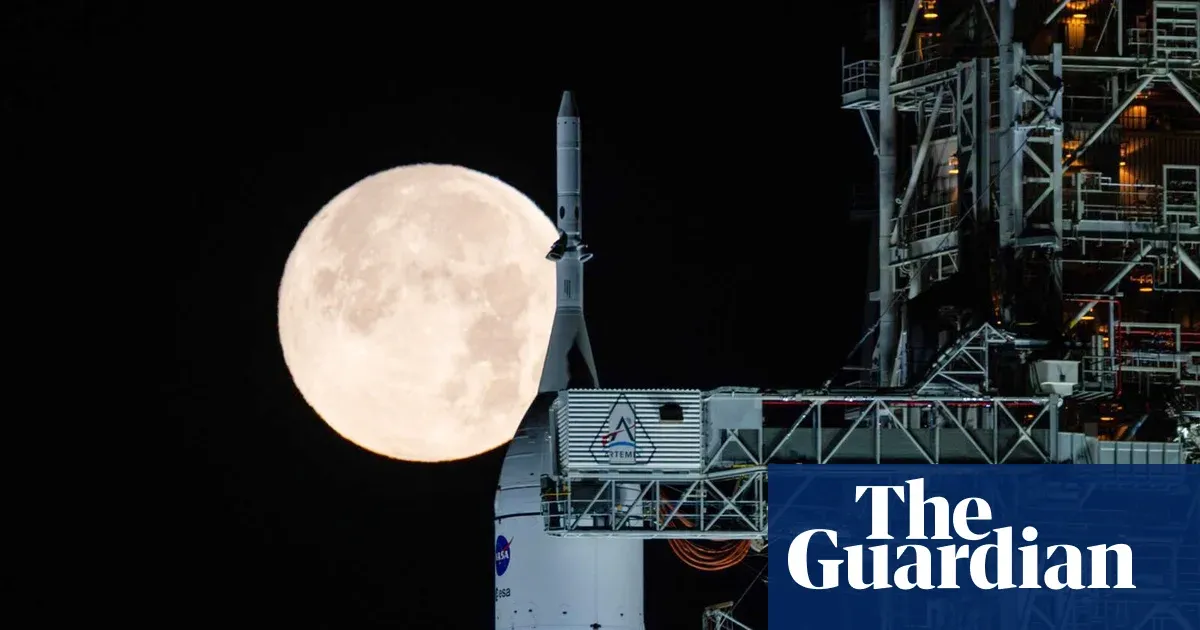
NASA pushed its Artemis II launch to March after engineers spotted hydrogen leaking from the Space Launch System rocket during a final test run. The mission, which would send four astronauts around the moon for the first time in over 50 years, had been scheduled to lift off from Kennedy Space Center in Florida as early as next week.
During the "wet dress rehearsal"—a full simulation of launch day—teams detected the leak and also found a problem with a valve on the Orion capsule, the crew module that will carry the astronauts. Both issues need resolving before the 98-meter-tall rocket is ready to fly.
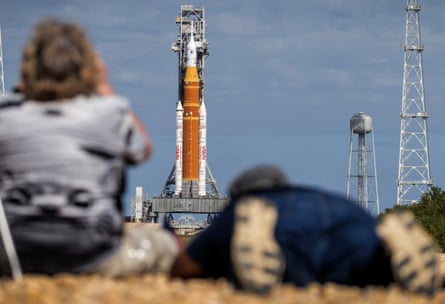
People photograph the Space Launch System and its Orion capsule. Photograph: Cristóbal Herrera/EPA
We're a new kind of news feed.
Regular news is designed to drain you. We're a non-profit built to restore you. Every story we publish is scored for impact, progress, and hope.
Start Your News DetoxGetting the details right
The test itself was thorough—over 2.6 million liters of super-cold liquid hydrogen and liquid oxygen flowed into the tanks, mimicking the final moments before an actual launch. "Engineers pushed through several challenges during the two-day test," NASA said in its announcement, and teams will now fully review the data to understand what went wrong.
This isn't the first time the SLS has shown hydrogen leaks during testing. The uncrewed Artemis I mission in 2022 faced similar issues before eventually launching successfully. The pattern suggests the engineering teams know how to diagnose and fix these problems—it just takes time.
For the crew, the delay means another quarantine period starting about two weeks before the next launch window. Astronaut Reid Wiseman, who spent months on the International Space Station, will command the mission. He'll be joined by Christina Koch and Victor Glover, who will become the first woman and first person of color to travel beyond low Earth orbit. Canadian physicist and fighter pilot Jeremy Hansen rounds out the crew—if all goes well, he'll be the first non-US astronaut to make the 685,000-mile round trip to the moon.
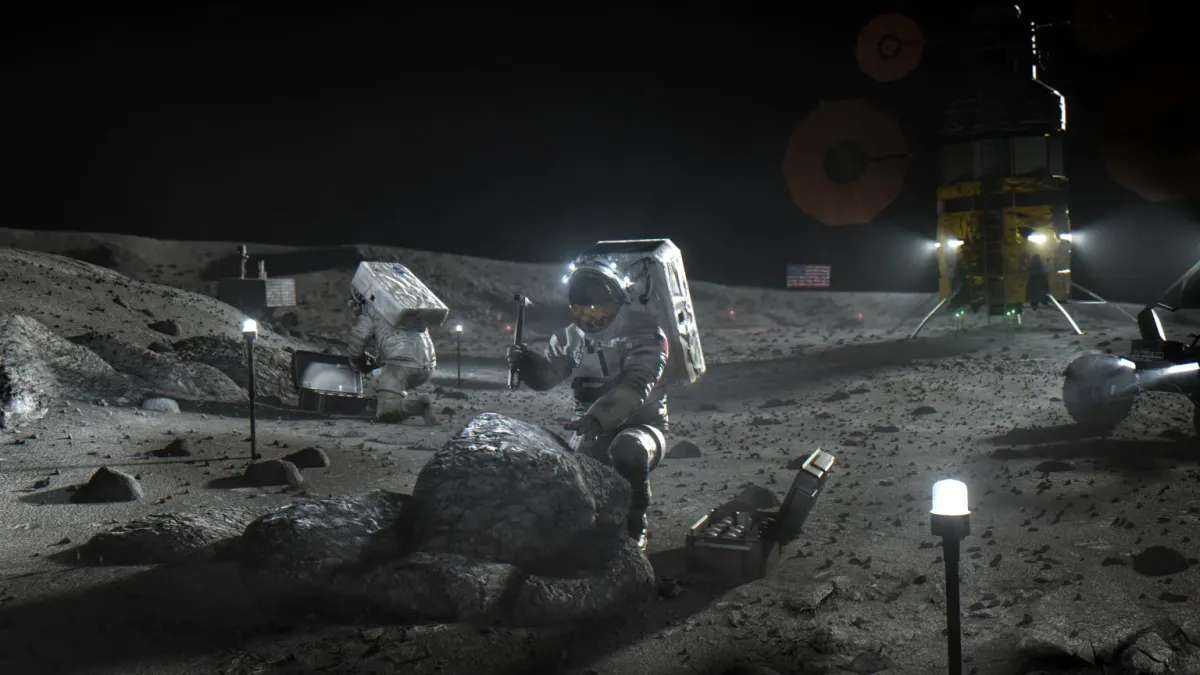
Artemis II won't land on the lunar surface; that's reserved for Artemis III, which aims to touch down near the moon's south pole. But this mission is the crucial step—proof that NASA's new lunar architecture works with humans aboard, paving the way for a sustained presence on the moon. The last time astronauts traveled to the moon was Apollo 17 in 1972. That's 52 years of waiting.
A month's delay, in that context, is a small price for getting the engineering right.