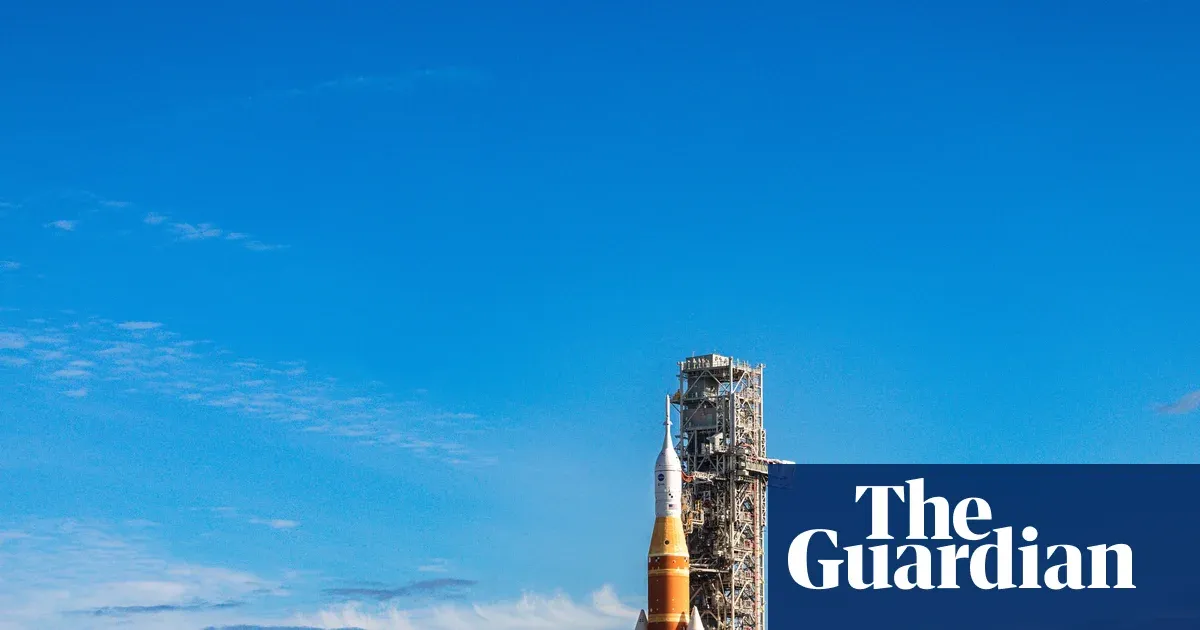
At 1 mile per hour, NASA's Space Launch System rocket spent all day crawling 4 miles across Kennedy Space Center. But when it finally reached the launch pad at nightfall, thousands of workers and their families understood they were watching something that hadn't happened in over 50 years: the beginning of a crewed return to the moon.
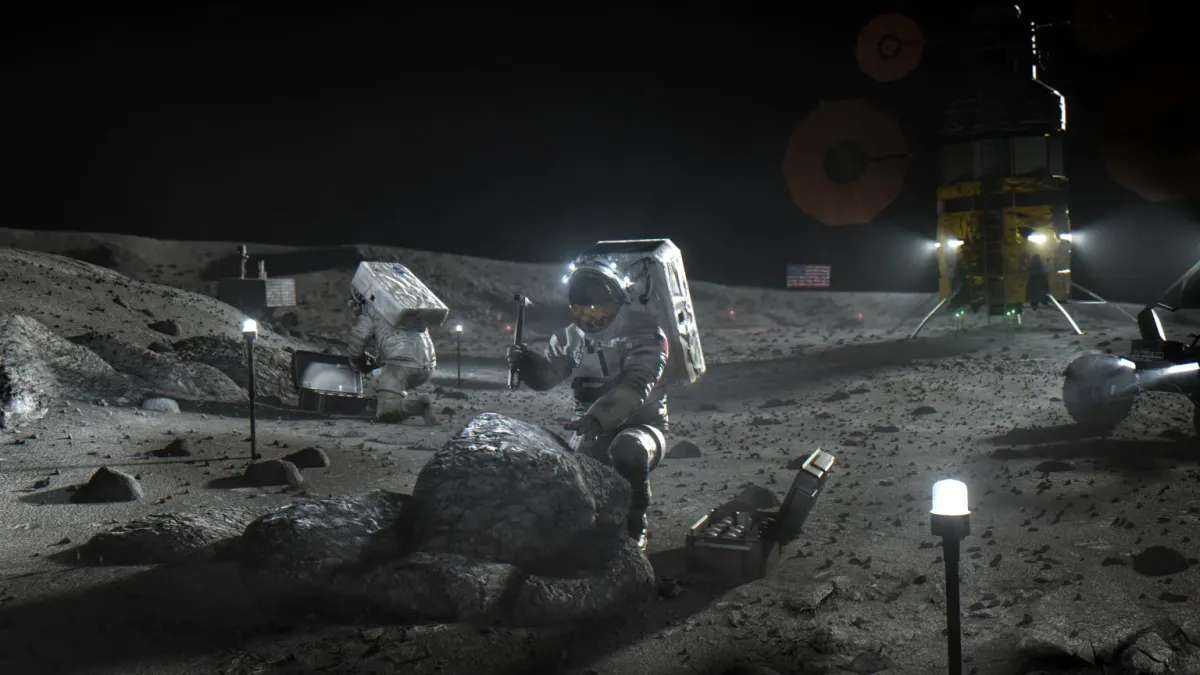
The 322-foot-tall rocket—a machine that weighs 5 million kilograms and required an upgraded version of the same transporter that moved Apollo and shuttle hardware—arrived in preparation for a February launch. If the schedule holds, four astronauts will soon strap into the Orion capsule mounted on top and spend 10 days orbiting the lunar surface. They won't land, but they'll be the first humans to travel that far from Earth since 1972.
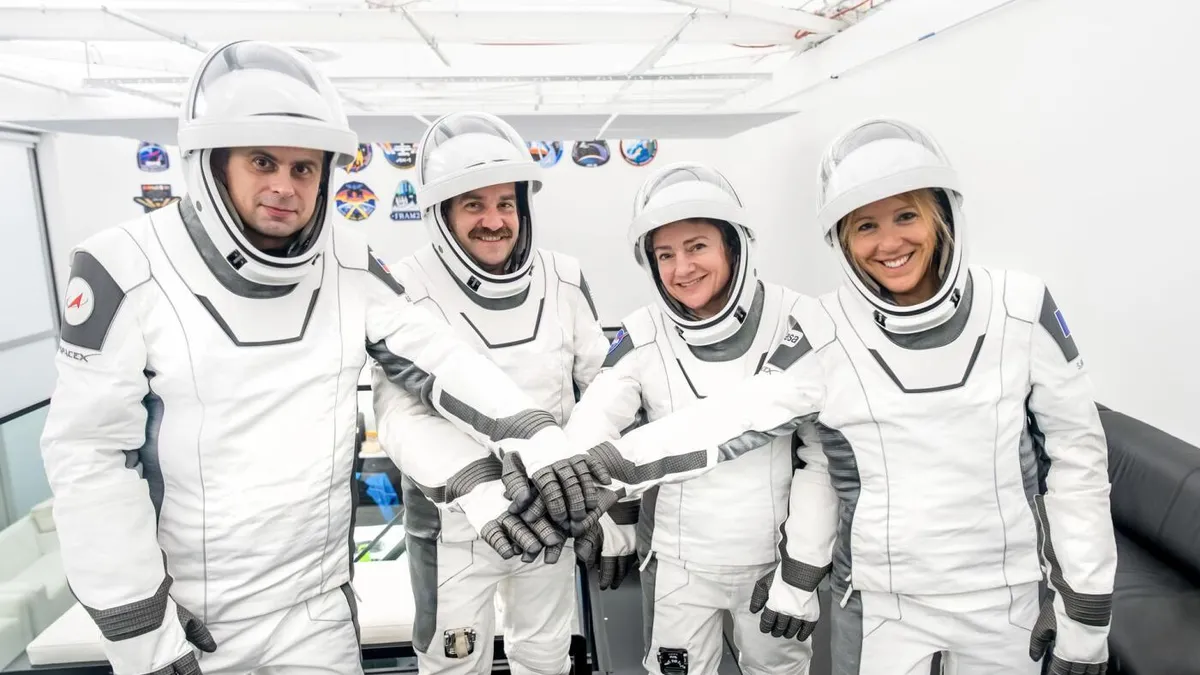
"What a great day to be here. It is awe-inspiring," said Reid Wiseman, the mission commander, as he watched his rocket take its final position. Wiseman will fly alongside pilot Victor Glover, mission specialist Christina Koch, and Canadian astronaut Jeremy Hansen—a former fighter pilot who will become the first Canadian to leave Earth orbit.
We're a new kind of news feed.
Regular news is designed to drain you. We're a non-profit built to restore you. Every story we publish is scored for impact, progress, and hope.
Start Your News DetoxWhat makes this moment different from a routine rocket move is the weight of pause behind it. NASA's uncrewed test flight around the moon in November 2022 proved the SLS and Orion could make the journey. Now comes the part that matters most: trusting it with people aboard. "This one feels a lot different, putting crew on the rocket and taking the crew around the moon," said John Honeycutt, who works on the program.
Before launch, NASA must conduct a fueling test on the pad—a critical check that leaves a narrow window. The agency has five days in early February before weather and orbital mechanics force a delay to March. It's the kind of constraint that defined the Apollo era: the moon doesn't wait, and neither do the laws of physics.
For the workers who gathered in the pre-dawn cold to watch the rocket move, this wasn't just infrastructure shuffling. It was the visible beginning of something their grandparents watched on television and their children might actually see happen.