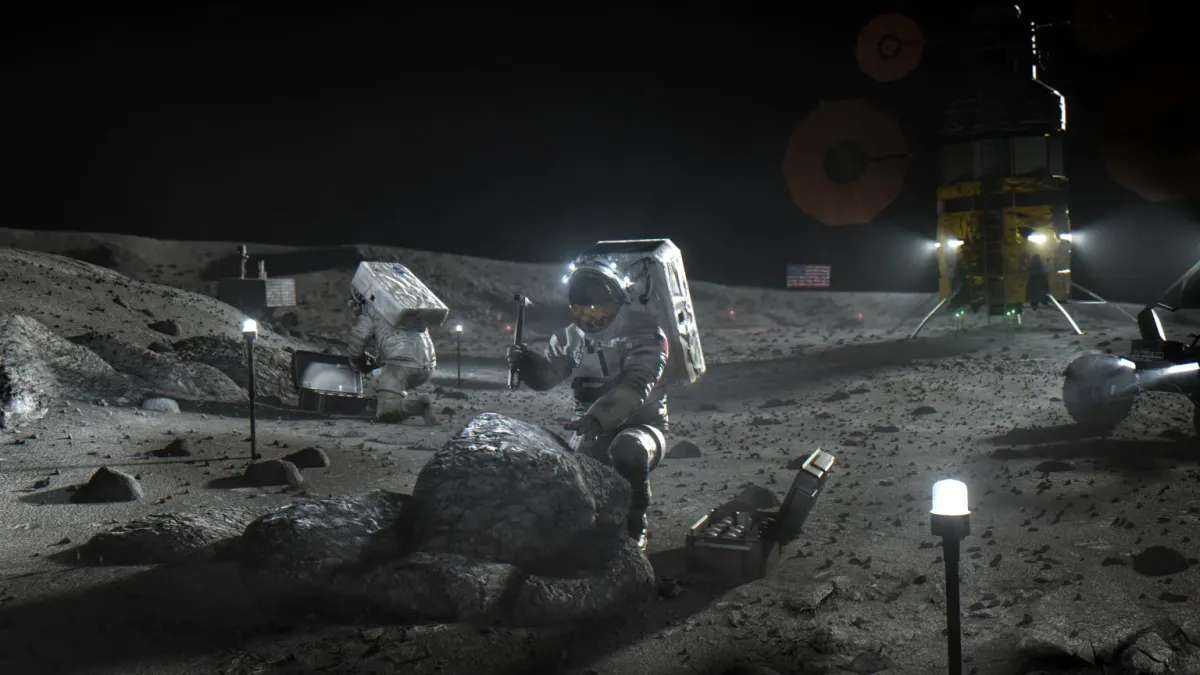
After more than 50 years, NASA is preparing to send humans back to the moon. On Saturday, the space agency rolled its Space Launch System rocket—a towering structure of orange and white—out of the Vehicle Assembly Building at Kennedy Space Center in Florida and moved it four miles to Launch Pad 39B. The journey took up to 12 hours of careful maneuvering, but it marks the beginning of final preparations for Artemis 2, which could launch as early as February 6.
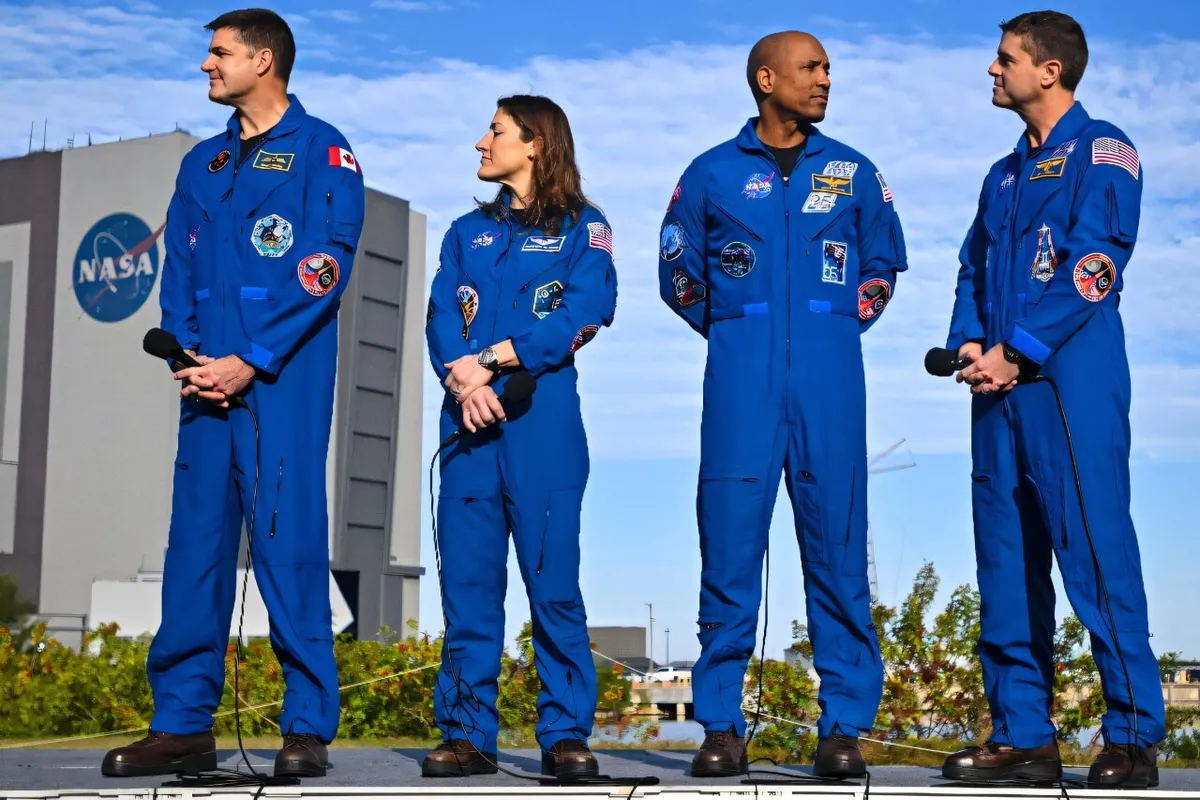
The mission itself won't land on the moon. Instead, three American astronauts—Reid Wiseman, Victor Glover, and Christina Koch—plus Canadian astronaut Jeremy Hansen will fly around Earth's satellite for about 10 days before returning home. It's a crucial step: a human crew in lunar orbit, testing systems and proving the pathway for eventual landings.
"We're swinging for the fence, trying to make the impossible possible," Glover said as the rocket rolled out Saturday. Hansen, watching the massive vehicle move across the pad, added his own perspective: "In just a few weeks, you're going to see four humans fly around the moon, and if we're doing that now, imagine what we can do next."
We're a new kind of news feed.
Regular news is designed to drain you. We're a non-profit built to restore you. Every story we publish is scored for impact, progress, and hope.
Start Your News DetoxBefore any of that happens, engineers face months of rigorous testing. The SLS rocket and Orion spacecraft must pass a battery of checks, culminating in a full pre-launch simulation. This caution isn't excessive—the uncrewed Artemis 1 mission in November 2022 came only after multiple postponements and two failed launch attempts.
The timing matters beyond NASA's ambitions. China is pursuing its own lunar program with a target of 2030 for a crewed landing. Its uncrewed Chang'e 7 mission is set for 2026 to explore the moon's south pole, with crewed spacecraft testing happening this year. For NASA, the moon has become a testing ground for something even larger: preparing the systems and procedures needed for eventual human missions to Mars.
The next few months will determine whether that February launch window holds. If the tests pass, four people will soon see the lunar surface rise beneath them—a view no human has experienced in half a century.