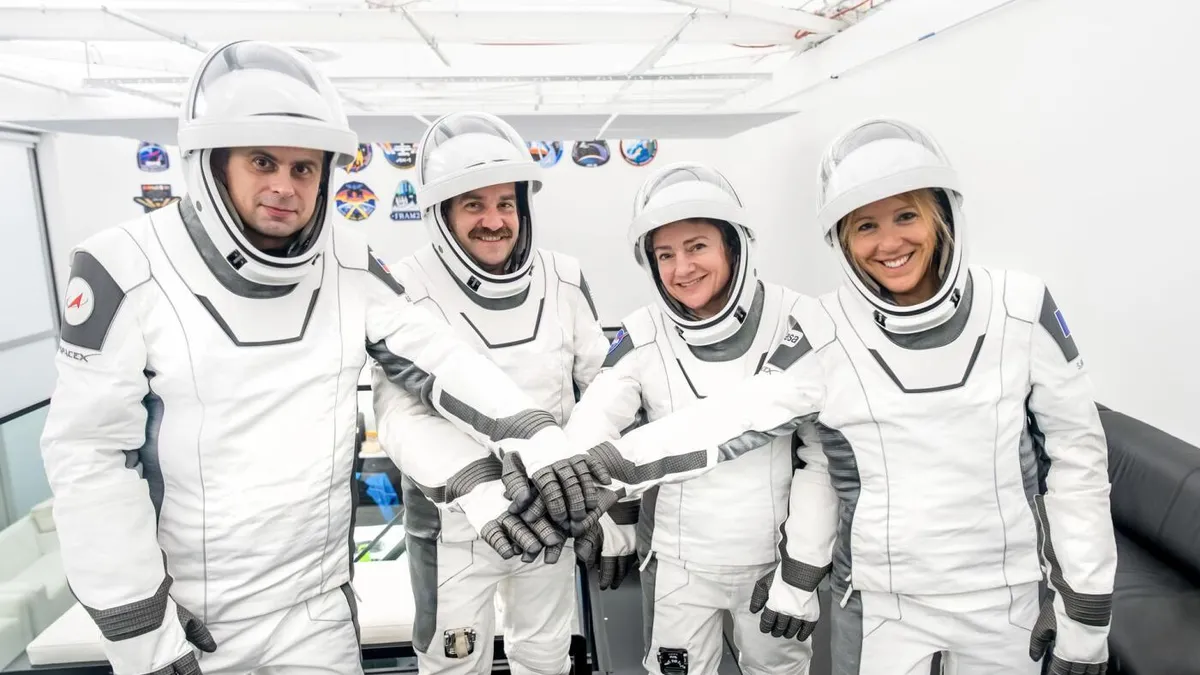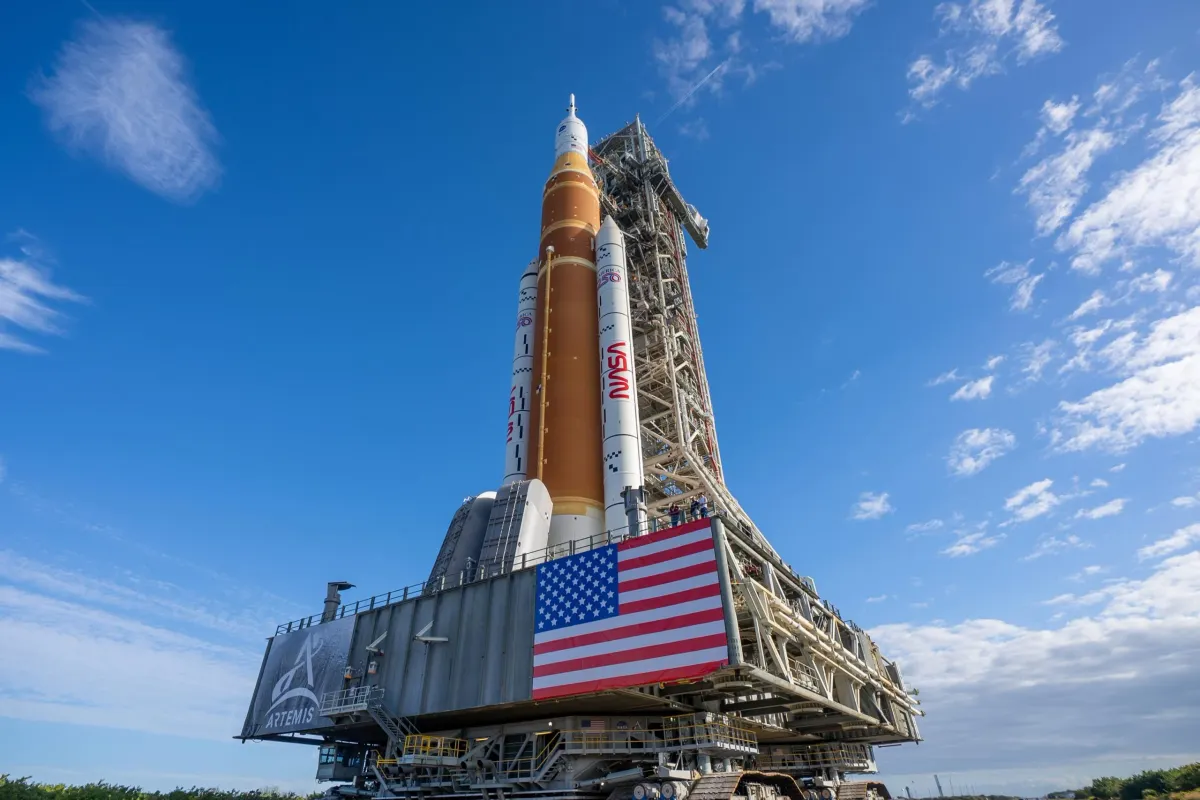
For the first time since 1968, astronauts are about to orbit the Moon. NASA's Artemis II mission represents something that's been missing from human spaceflight for decades: the moment when we leave Earth orbit and push into deep space again.
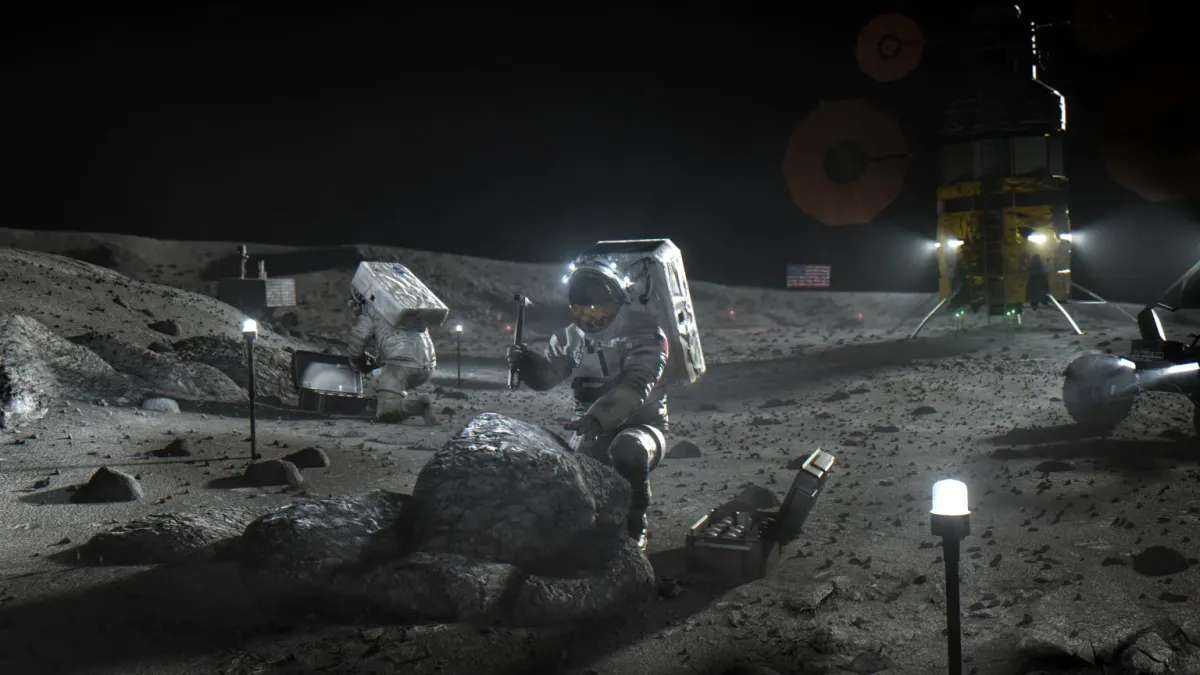
The mission carries weight beyond the spectacle. Artemis II is designed as a proving run — a way to test the systems and procedures that will eventually land humans on the lunar surface by 2028. It's the foundation for what NASA describes as a sustained return to the Moon, not a one-off achievement. The agency plans to establish a lunar base, which means astronauts won't just visit; they'll work there.
The groundwork for this moment has been building for years. The Artemis program itself launched during the previous administration, and the Artemis Accords — a set of principles for peaceful space exploration — now has 60 nations signed on. That's significant: it means the Moon isn't being treated as a frontier for competition, but as a place where multiple countries have agreed to work under shared rules.
We're a new kind of news feed.
Regular news is designed to drain you. We're a non-profit built to restore you. Every story we publish is scored for impact, progress, and hope.
Start Your News DetoxOver the past year, NASA has moved with unusual velocity. The agency completed two human spaceflight missions, launched 15 science missions, and conducted a successful test flight of an experimental X-plane. Work has advanced across lunar exploration, Earth science, planetary defense, and technologies aimed at Mars missions. For a government agency, that's not just productivity — it's momentum.
NASA Administrator Jared Isaacman framed the moment in historical terms, comparing the current executive direction to the clarity of the Kennedy era. Whether you find that comparison apt or not, the practical reality is clear: the agency has been given a specific mandate and the resources to pursue it.
What Happens Next
Artemis II will be followed by deeper work. The Nancy Grace Roman Space Telescope is expected to launch before the end of the year, continuing NASA's tradition of pushing what we can observe about the universe. The agency is also advancing nuclear power and propulsion technologies — the kind of infrastructure that makes missions to Mars possible rather than theoretical.
The Moon has been waiting for us for fifty years. In the next few years, we'll finally be heading back.