For the first time in 25 years, NASA is cutting short a mission to the International Space Station because one crew member needs medical attention on Earth. SpaceX Crew-11 is heading home a month early — not in a panic, but because the diagnosis and treatment this astronaut needs simply can't happen 250 miles above the planet.
The medical issue surfaced on Wednesday. NASA hasn't released the astronaut's name or specific condition, citing privacy, but officials confirmed the person is stable. The decision to return came after conversations between NASA's chief medical officer James Polk and Administrator Jared Isaacman, who concluded that "the capability to diagnose and treat this properly does not live on the International Space Station."
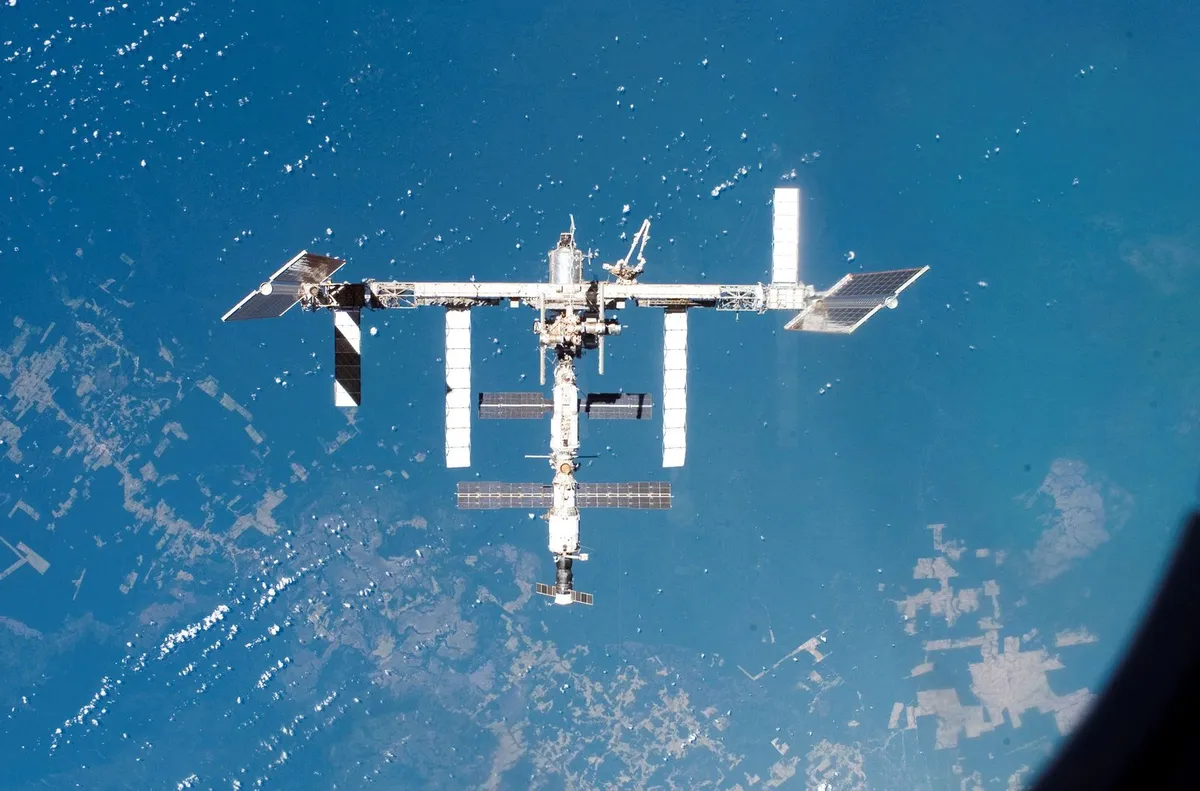
This isn't an emergency deorbit — the spacecraft will return in controlled fashion over the coming days. But it does mean the ISS, which has operated continuously since 1998, will temporarily drop to just three people: one NASA astronaut (Chris Williams) and two Russian cosmonauts. That skeleton crew will focus on keeping the station itself operational rather than conducting research.
We're a new kind of news feed.
Regular news is designed to drain you. We're a non-profit built to restore you. Every story we publish is scored for impact, progress, and hope.
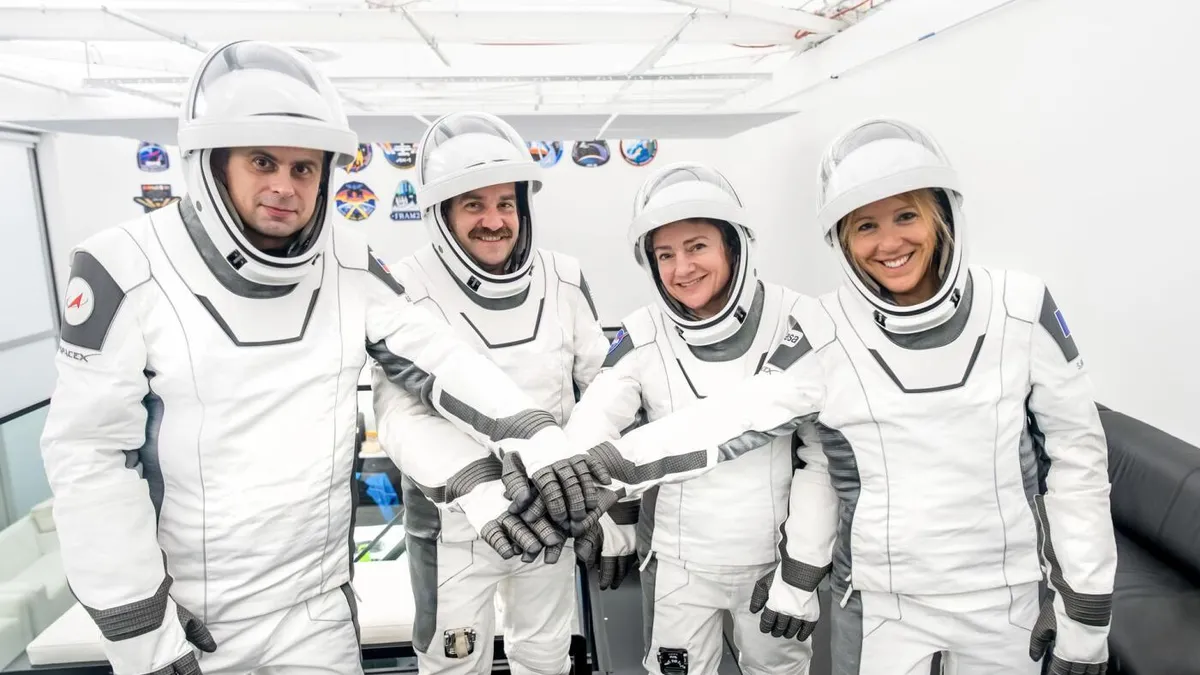
Start Your News DetoxCrew-11 launched in August 2025 with four members: NASA astronauts Zena Cardman and Mike Fincke, Japanese astronaut Kimiya Yui, and Russian cosmonaut Oleg Platonov. They were scheduled to stay through September, so this early return does disrupt plans. A spacewalk scheduled for Thursday has been postponed, and NASA is now considering accelerating the launch of Crew-12 from mid-February to fill the gap sooner.
Space systems expert Don Platt notes the practical squeeze: with only three crew members, "the crew members that are there are pretty much just concentrating on making sure the space station can continue to run. A lot of the science will have to be postponed." That's the trade-off — routine maintenance takes priority over experiments.
But here's what's worth sitting with: the system worked. An astronaut got sick in space, NASA recognized it required Earth-based care, and they had the infrastructure to bring someone home safely. Historian Jordan Bimm points out the rarity of this moment: "It's amazing that we've maintained the ISS for [almost] 26 years constantly crewed without something like this happening before." Twenty-six years of people living and working in an environment where the nearest hospital is a spacecraft ride away, and this is the first medical evacuation.
The ISS will keep running. The crew member will get proper care. And the station's next residents are already being prepared to launch.