More than 50 years ago, astronaut Gene Cernan left his daughter's initials in the lunar dust. He was the last human to walk on the moon, capping off Apollo 17 in December 1972 with a message of "peace and hope." And then, radio silence from humanity's boots on the ground (or rather, dust).
Until now.
NASA is finally ready to send us back. Not just into orbit, but around the moon, farther than any human has ever journeyed.
The Artemis II Mission
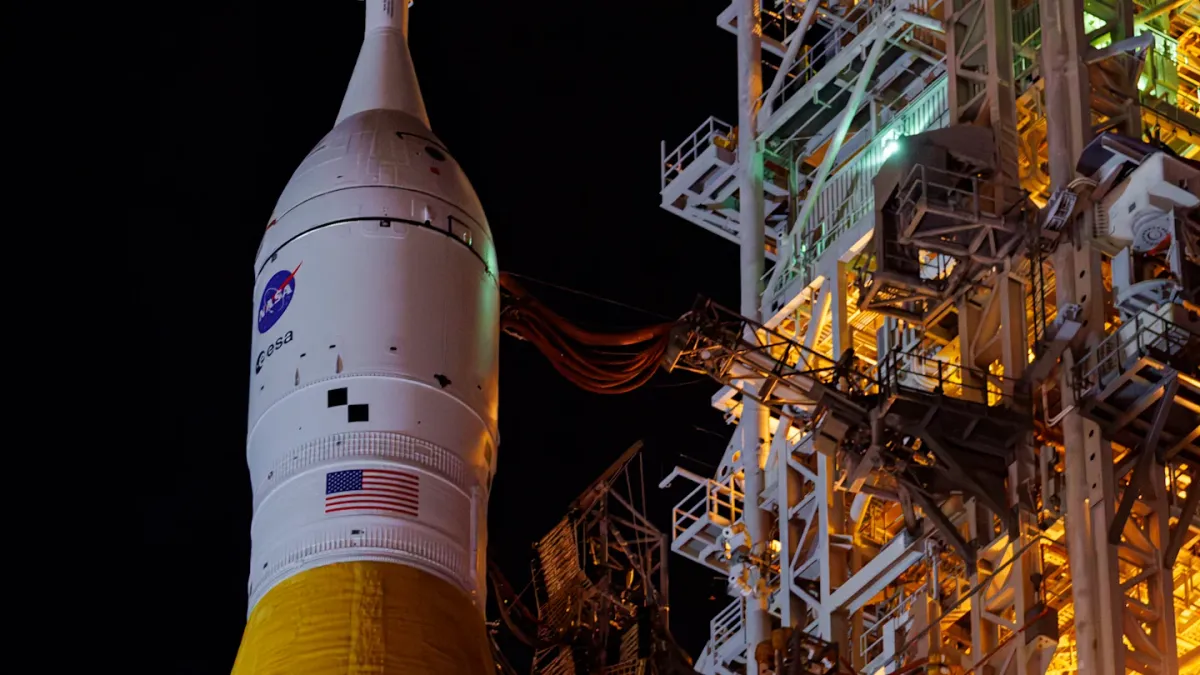
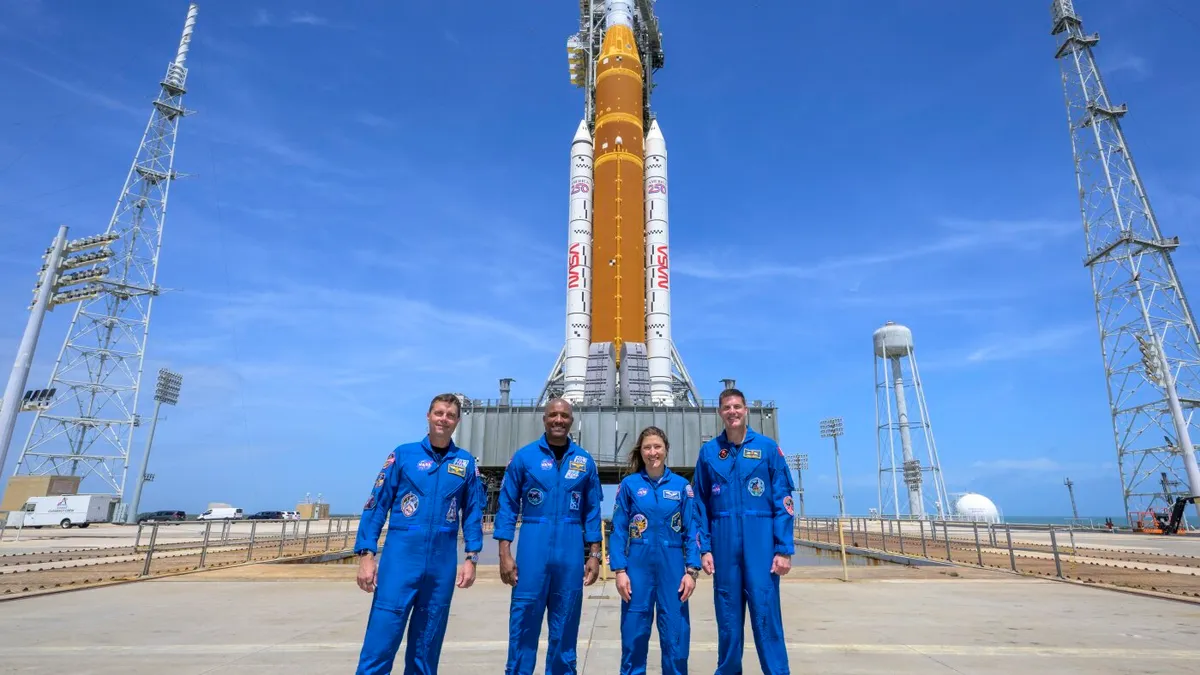
As early as Wednesday at 6:24 p.m. Eastern, an Orion capsule will launch from Florida's Kennedy Space Center, perched atop a 322-foot rocket. Its mission? To sling four astronauts around the moon in a figure-eight path and bring them home. The whole cosmic road trip should take just under 10 days.
We're a new kind of news feed.
Regular news is designed to drain you. We're a non-profit built to restore you. Every story we publish is scored for impact, progress, and hope.
Start Your News DetoxThis is the first crewed mission of the Artemis program, following the uncrewed Artemis I test flight in 2022 that sent an empty capsule on a three-week lunar loop. This time, the astronauts will first orbit Earth to give the spacecraft a thorough systems check, because you don't skimp on prep when you're going to the moon. After that, it's lunar slingshot time.
Think of it as a vital stepping stone. NASA isn't just visiting; the long-term goal is to establish a permanent human presence on the moon, complete with a base, alongside international partners. Because apparently, that's where we are now.
Launch weather officer Mark Burger says there's an 80% chance of good weather. But even with favorable forecasts, the tension is palpable.
Jeff Spaulding, a senior NASA test director who's seen more launches than most people have had hot dinners, admits the enormity of sending humans to the moon truly hits him in the final minute before ignition.
"That's when it really starts to hit home that, you know, we really got a shot at making it today," Spaulding said. "And I know a lot of people are thinking the same thing, because you can hear a pin drop in that firing room as you count from 10 down to T-zero."
He then added, dryly, "after that, though, it may get a little bit noisier." Which, if you think about it, is a bit of an understatement when a giant rocket is leaving Earth.