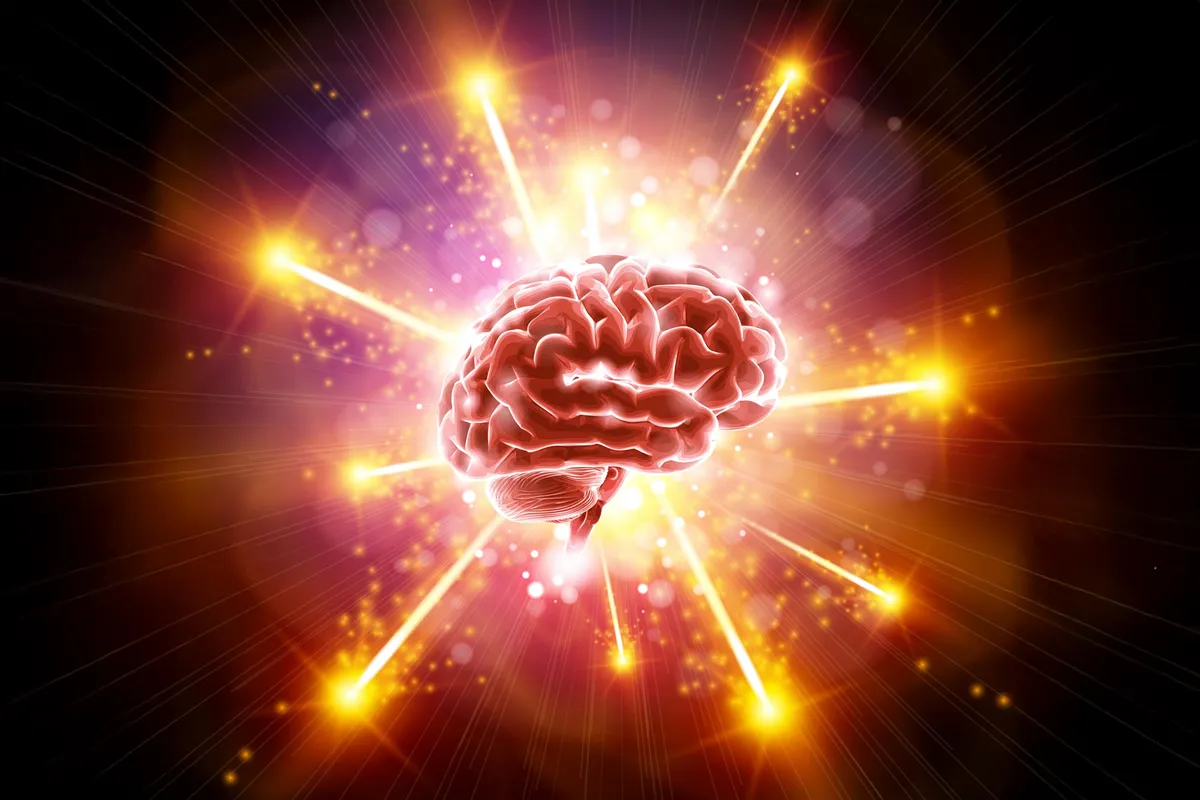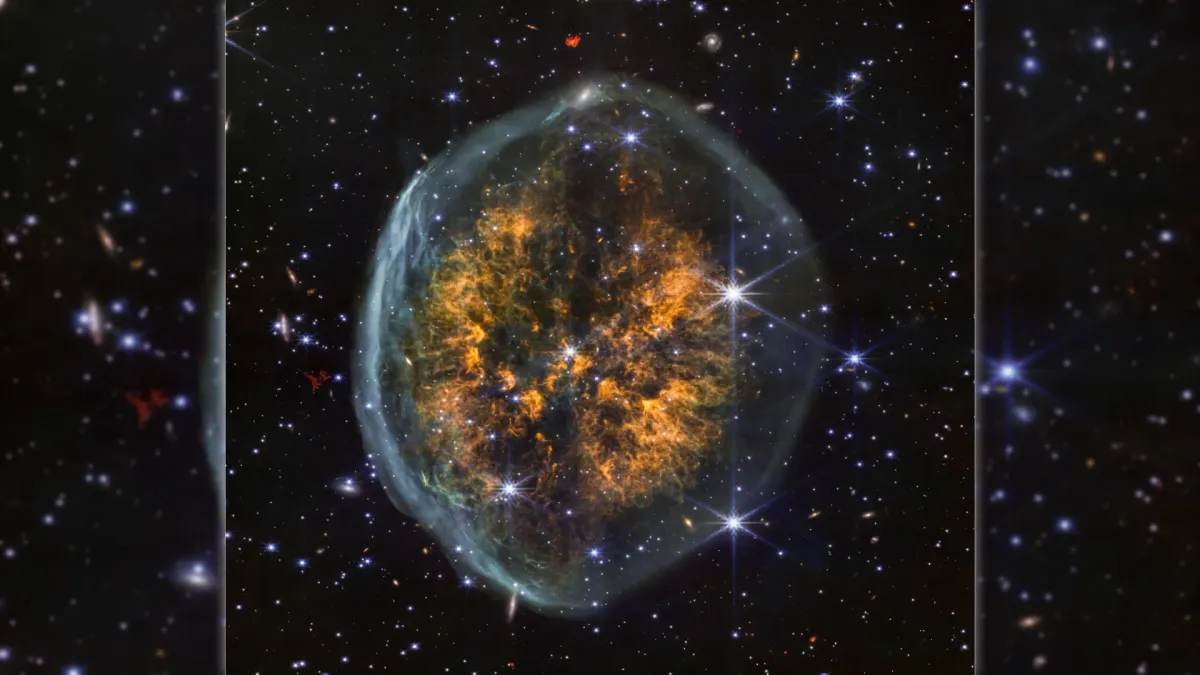
Get this: NASA's Webb telescope just snapped pictures of a cloud in space that looks exactly like a human brain. Seriously. Scientists are calling it the "Exposed Cranium" nebula, or PMR 1.
This cosmic brain formed around a star that's slowly dying. Webb's super-sharp infrared eyes showed off layers of gas and a dark line right down the middle, making its brain-like structure even more obvious.
Cosmic Anatomy
The nebula's nickname isn't just for fun. It really does look like a brain inside a clear skull. That dark line splitting it down the middle? It’s just like the two halves of your own brain.
We're a new kind of news feed.
Regular news is designed to drain you. We're a non-profit built to restore you. Every story we publish is scored for impact, progress, and hope.
Start Your News DetoxNASA's Spitzer Space Telescope first saw this weird cloud over ten years ago. But Webb's new images are way clearer. They let us see details nobody could before.
Scientists think the dark line down the middle might be material blasting out from the central star. This often happens when stars shoot out twin beams of energy in opposite directions. You can even see gas getting pushed outwards near the top of the nebula, which backs up that idea.
A Star's Last Act
This brain-shaped cloud is actually a star's final show. As stars run out of fuel, they shed their outer layers into space. This happens pretty fast in space terms, and Webb caught a snapshot of it.
What happens next depends on how big the star is. If it's a giant, it could end its life in a huge explosion called a supernova. But if it's more like our Sun, it'll become a tiny, dense core called a white dwarf, slowly fading away over billions of years.
The James Webb Space Telescope is a serious powerhouse. It helps us peek into our own solar system, check out planets around other stars, and even see how galaxies first formed. It’s a joint effort by NASA, the European Space Agency, and the Canadian Space Agency, and it keeps dropping these wild insights into the universe.