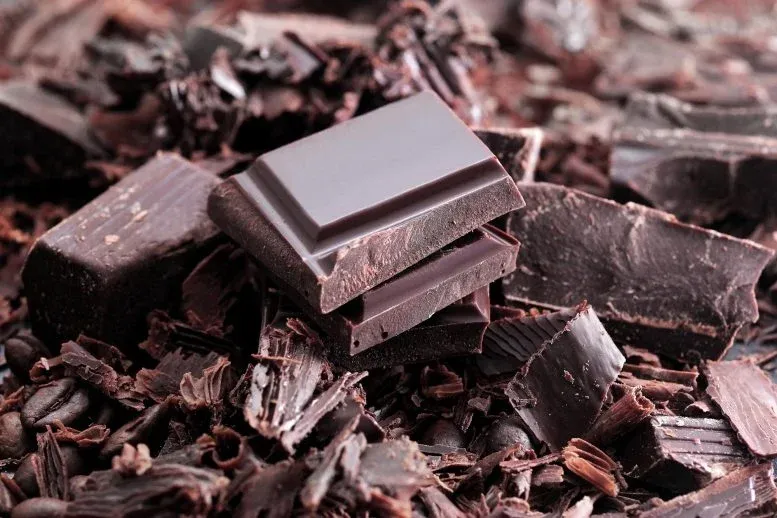
A naturally occurring compound found in cocoa appears to slow the aging process at a cellular level. Researchers at King's College London discovered that people with higher blood levels of theobromine—the main active ingredient in chocolate—show measurable signs of aging more slowly than those with lower levels.
The study measured biological age using epigenetic markers, which track how gene activity changes over time. These are more revealing than simply counting birthdays. The researchers looked at DNA methylation patterns and telomere length (the protective caps on chromosomes that naturally shorten with age) in blood samples from nearly 1,700 people across two European studies.
In the first group, 509 women from the TwinsUK cohort showed a clear link between theobromine levels and slower aging markers. The same pattern held up in a separate German study of 1,160 adults. The effect remained strong even after accounting for caffeine and other related compounds, suggesting theobromine itself was doing the work.
We're a new kind of news feed.
Regular news is designed to drain you. We're a non-profit built to restore you. Every story we publish is scored for impact, progress, and hope.
Start Your News DetoxWhat this means
This doesn't mean chocolate is a fountain of youth. The researchers were careful not to suggest people start eating more chocolate—the sugar and fat content would likely outweigh any benefit. Instead, the findings point to a broader principle: everyday foods contain compounds that may actively support healthy aging at the molecular level.
Theobromine is just one example among many plant-based molecules that seem to influence how our bodies age. Other compounds in coffee, tea, and various plants have shown similar effects in previous research. What makes this study notable is the consistency—the same association appeared in two independent populations, which strengthens confidence in the finding.
The research team, led by Ramy Saad and Jordana T. Bell, focused specifically on theobromine because it's abundant in cocoa and chemically distinct enough to isolate from caffeine and other compounds. By identifying this specific link, they've given researchers a clearer target for understanding how diet influences aging at the biological level.
This opens a practical avenue for future work: understanding which everyday compounds have genuine anti-aging effects could eventually lead to dietary recommendations backed by real molecular evidence, rather than guesswork.