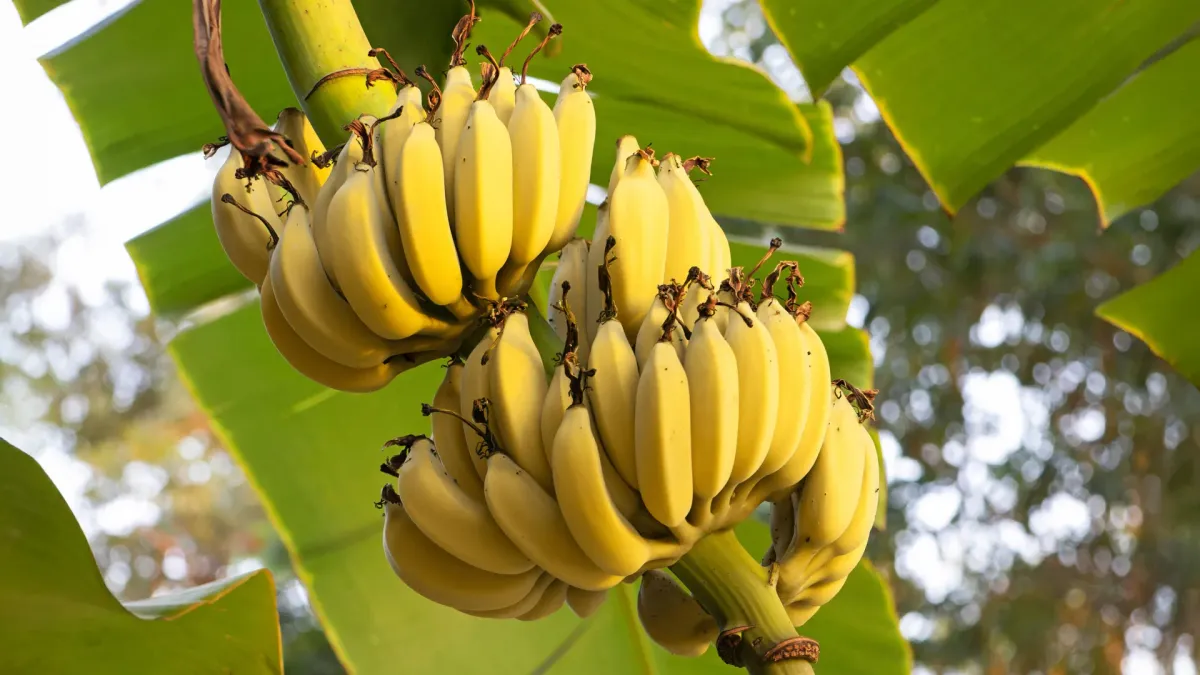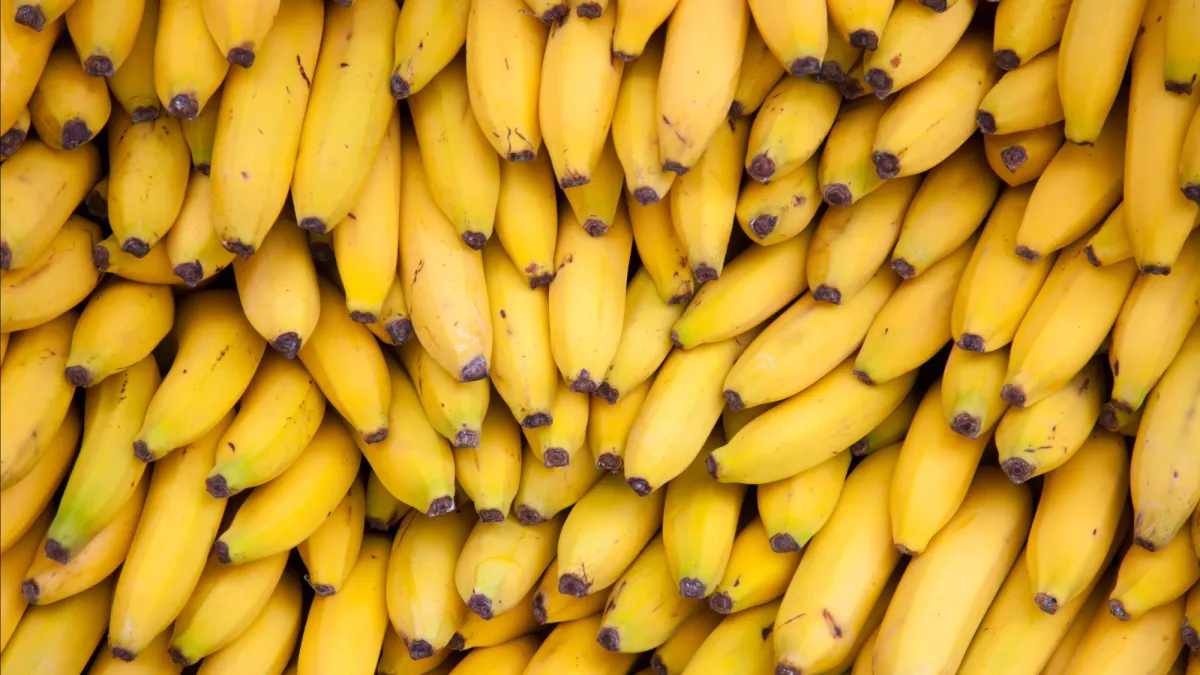
Bananas are quietly essential to hundreds of millions of people. Over 400 million rely on them for up to a quarter of their daily calories. Yet the fruit that seems to exist in infinite supply everywhere is under genuine threat.
Fusarium wilt—also called Panama disease—is a soil-borne fungus that blocks nutrients and kills banana plants, leaving spores that infect future crops for years. In the 1950s, it wiped out the Gros Michel banana, once the dominant commercial variety. Now a strain called Subtropical Race 4 is spreading through banana-growing regions worldwide, putting a $140 billion industry at risk.
But there's momentum building to stop it. Researchers at the University of Queensland just identified a specific region on chromosome 5 in the banana genome that confers resistance to STR4. The discovery came after five years of careful cross-breeding, testing each generation of plants over 12-month cycles before moving forward.
We're a new kind of news feed.
Regular news is designed to drain you. We're a non-profit built to restore you. Every story we publish is scored for impact, progress, and hope.
Start Your News DetoxHow wild bananas hold the answer
The breakthrough started with an unlikely source: Calcutta 4, a wild banana subspecies that's inedible but genetically resistant to the fungus. Scientists crossed it with commercially grown bananas and exposed the hybrids to STR4. The resistant plants revealed their secret on chromosome 5—a genetic region that could be the foundation for new disease-resistant varieties.
"Identifying and deploying natural resistance from wild bananas is a long-term and sustainable solution," explains Dr. Andrew Chen, one of the study's authors. "This is the first genetic dissection of Race 4 resistance from this wild subspecies."
The next phase is equally important: developing molecular markers that breeders can use to identify resistance early, before plants even show disease symptoms. This speeds up selection dramatically, reduces costs, and—crucially—gets farmers closer to a banana that's resistant to the fungus, easy to grow, and actually tastes good.
What makes this matter isn't just the science. Bananas aren't a luxury crop. They're a staple for subsistence farmers and urban poor alike across Africa, Asia, and Latin America. The fruit's supply chain is one of agriculture's most intricate networks, and its collapse would ripple through food security for some of the world's most vulnerable populations.
The work now is to move from genetic discovery to the field—to breed varieties that carry Calcutta 4's resistance without sacrificing the yield and flavor that make Cavendish bananas viable for farmers to grow. That's the real test ahead.