Down in the ocean's twilight zone, where sunlight barely penetrates, a fish larva half a centimeter long has just overturned 150 years of textbook biology. Researchers studying these creatures have discovered a completely new kind of light-sensing cell — one that doesn't fit the two-category system vertebrate vision was thought to rely on.
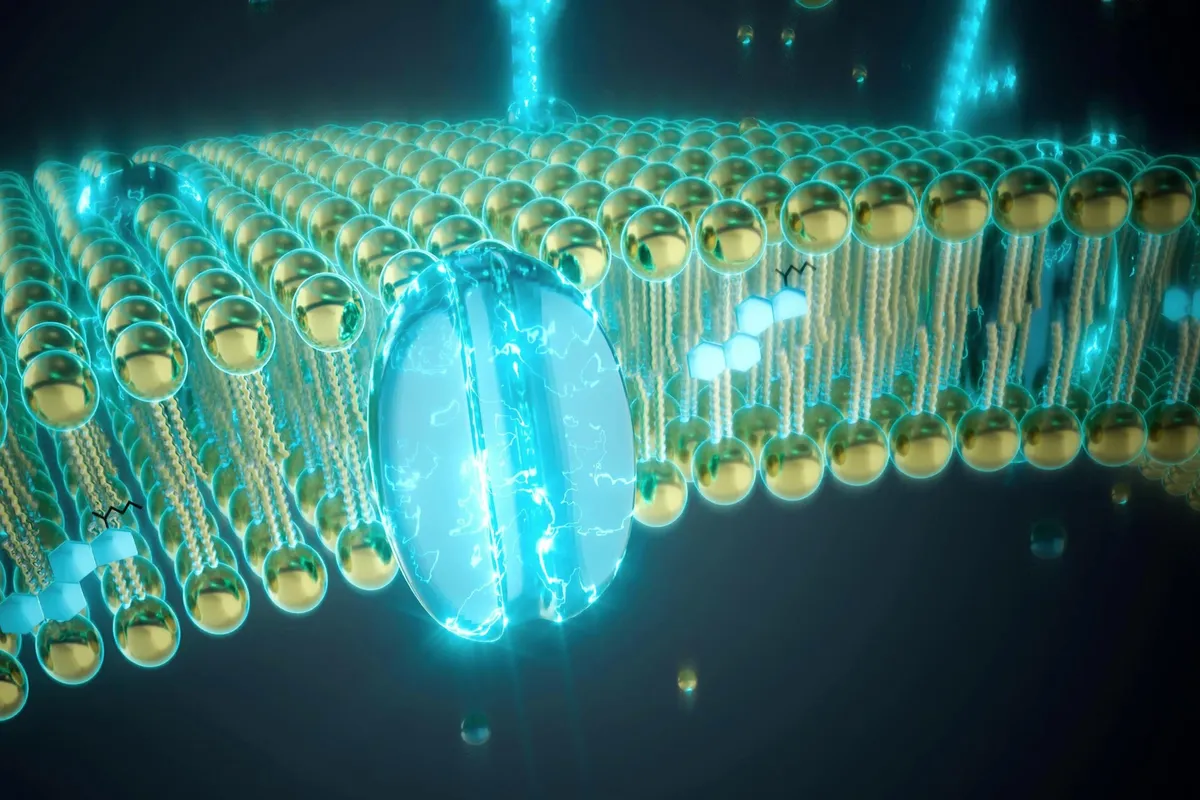
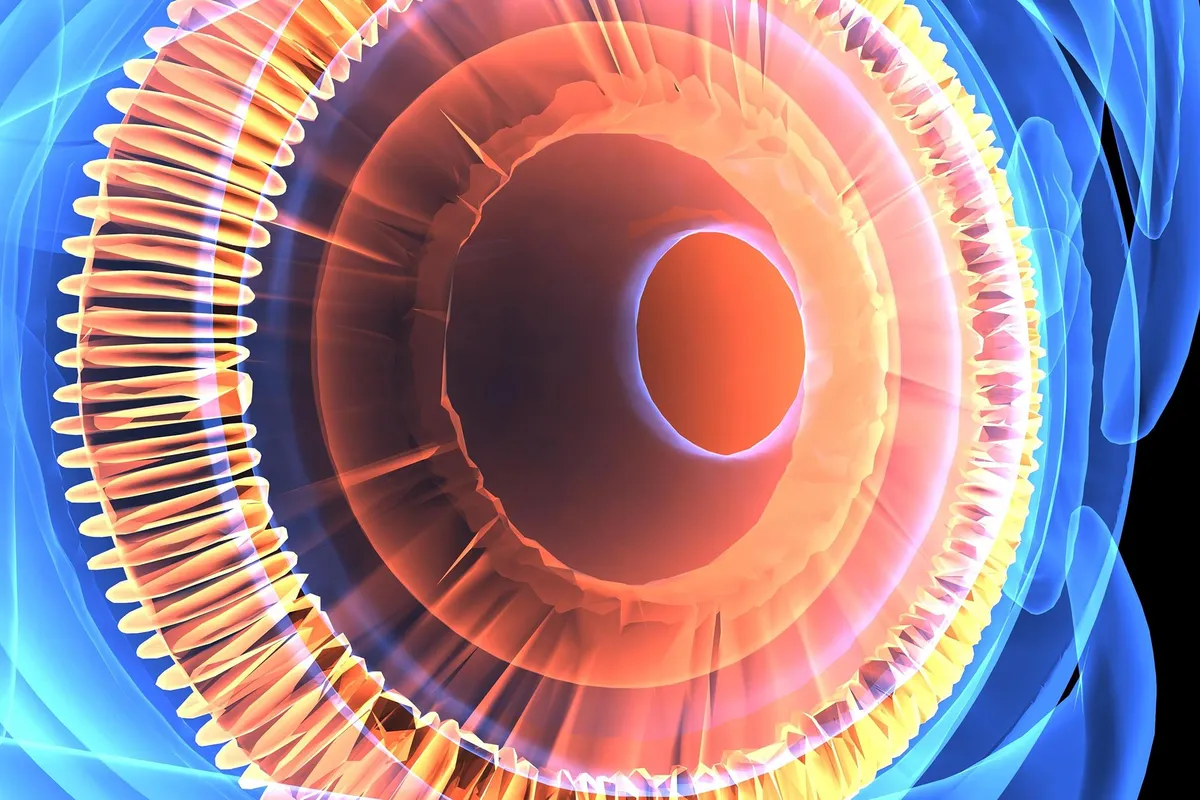
For over a century, biology textbooks have drawn a clean line: cones for bright light, rods for darkness. But deep-sea fish larvae don't follow that script. "We found a photoreceptor that's a hybrid," says Dr. Fabio Cortesi from The University of Queensland's School of the Environment. "It combines the molecular machinery of cones with the physical shape of rods. Essentially, it takes the best bits of both systems to see in the gloomy, in-between light where these fish actually spend their early lives."
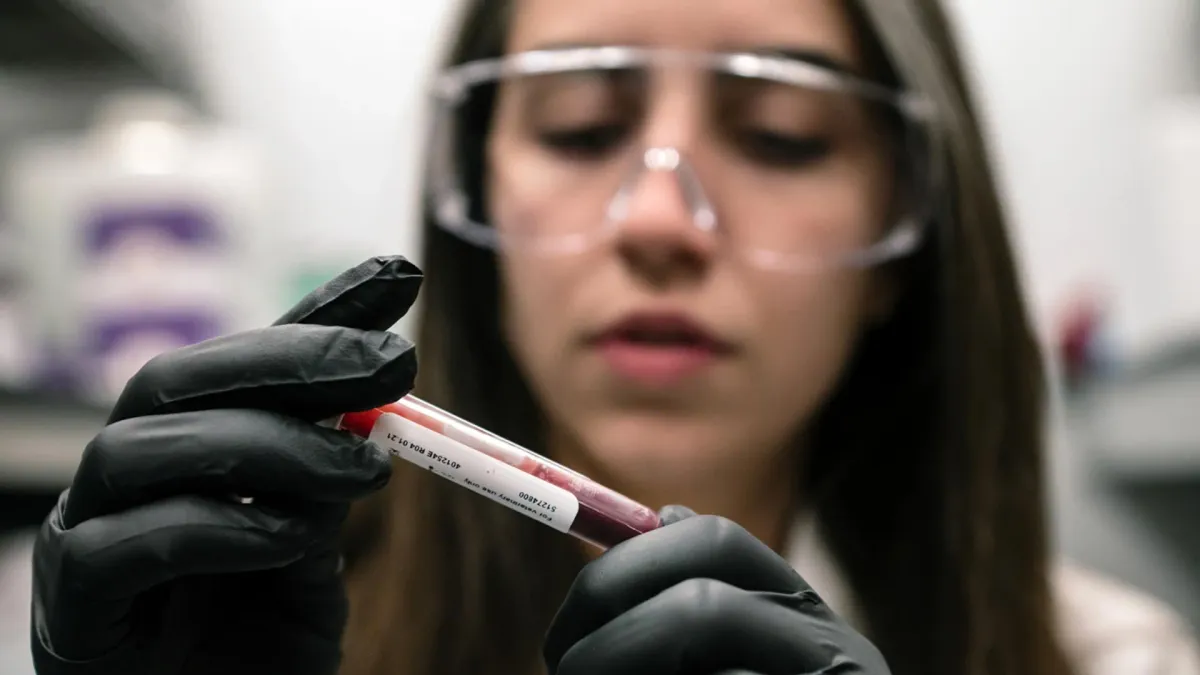
The discovery emerged from meticulous work on specimens collected from the Red Sea at depths between 20 and 200 meters. Dr. Lily Fogg and her team examined larval retinas so small that their eyes were barely visible under a microscope — less than a millimeter across. The technical challenge was real, but the biological question driving it was compelling: many deep-sea fish don't start life in the abyss. They hatch and feed in shallower, brighter waters, then migrate downward as they mature. That means their vision has to adapt on the fly, evolving to handle increasingly dim conditions as they grow.
We're a new kind of news feed.
Regular news is designed to drain you. We're a non-profit built to restore you. Every story we publish is scored for impact, progress, and hope.
Start Your News Detox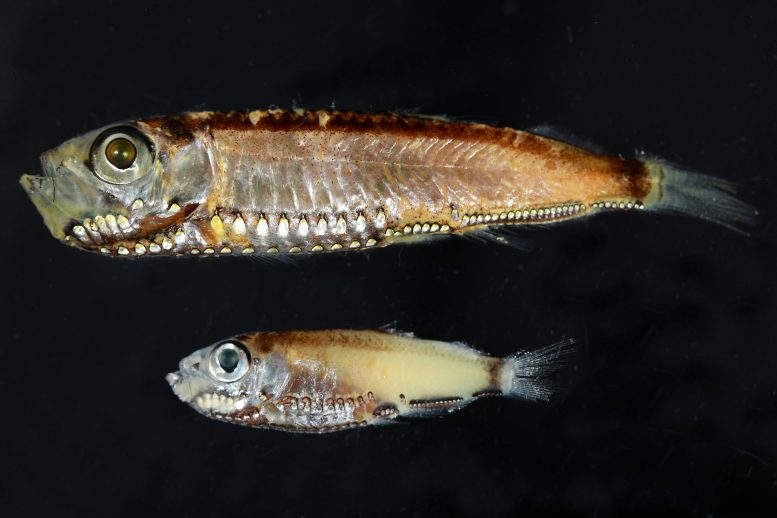
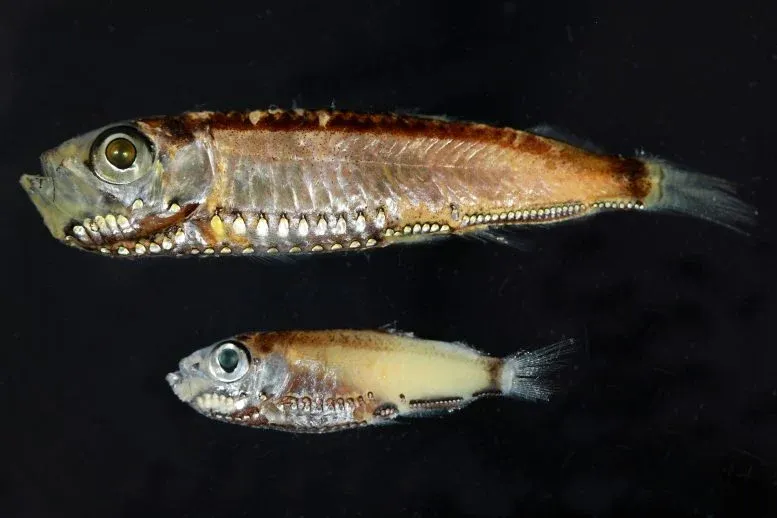
"These fish descend to live up to a kilometer below the surface as adults," Dr. Fogg explains. "But as larvae, they're feeding in half-light closer to the surface. We wanted to understand how their vision develops during that transition into one of the dimmest habitats on Earth."
What makes this finding genuinely useful is that nature has already solved a problem engineers are still wrestling with: how to extract clear images from almost no light. That's why Dr. Cortesi and his team see practical applications beyond marine biology. Low-light imaging matters everywhere — underwater exploration, emergency response, night-time navigation, medical imaging. A biological blueprint for efficient twilight vision could inspire new camera sensors and imaging goggles that work in conditions where current technology struggles.
There's also a medical angle. Understanding how these fish build this cell type in the extreme pressure environment of the deep ocean might reveal biological pathways relevant to human eye conditions like glaucoma. The discovery doesn't solve those problems immediately, but it opens a door that was previously closed — one that suggests nature has more answers than we've been asking for.
The next phase will be seeing whether engineers and biologists can actually translate this discovery into working technology. That's where the real test begins.