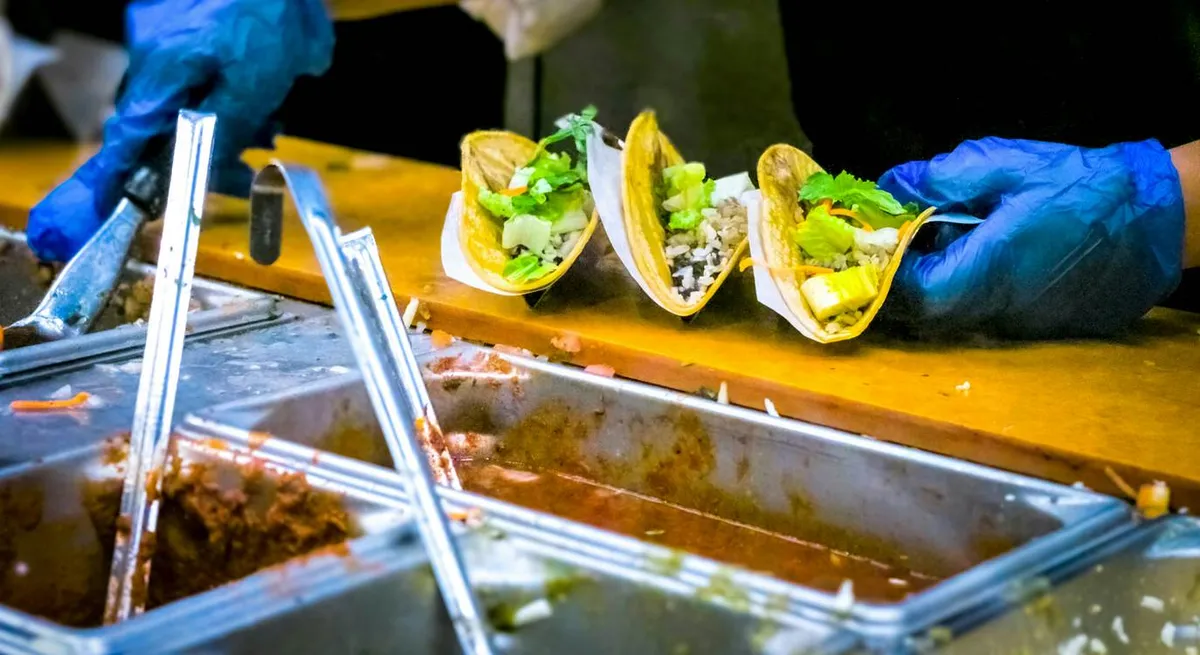
The fajitas at Boyle County High School taste different now. Locally-raised beef, marinated in cumin, lands on corn tortillas with fresh queso, guacamole, tomatoes, and lettuce. Students rate them 9.5 out of 10. A few years ago, this would have been unthinkable — the cafeteria standard was pan pizza, fruit cups in syrup, and skim milk served lukewarm.
The shift started with a pandemic-era grant. Kentucky received $3.2 million to help around 90 school districts partner with roughly 150 local farms. It sounds simple, but the ripple effect has been substantial. Cheyenne Barsotti, Food Service Director for Boyle County, says the whole approach to feeding students has changed. Her team now cooks from scratch, building menus around whatever the local farms are growing that season. That flexibility means new recipes, real ingredients, and — as the fajita ratings suggest — food that tastes noticeably better.
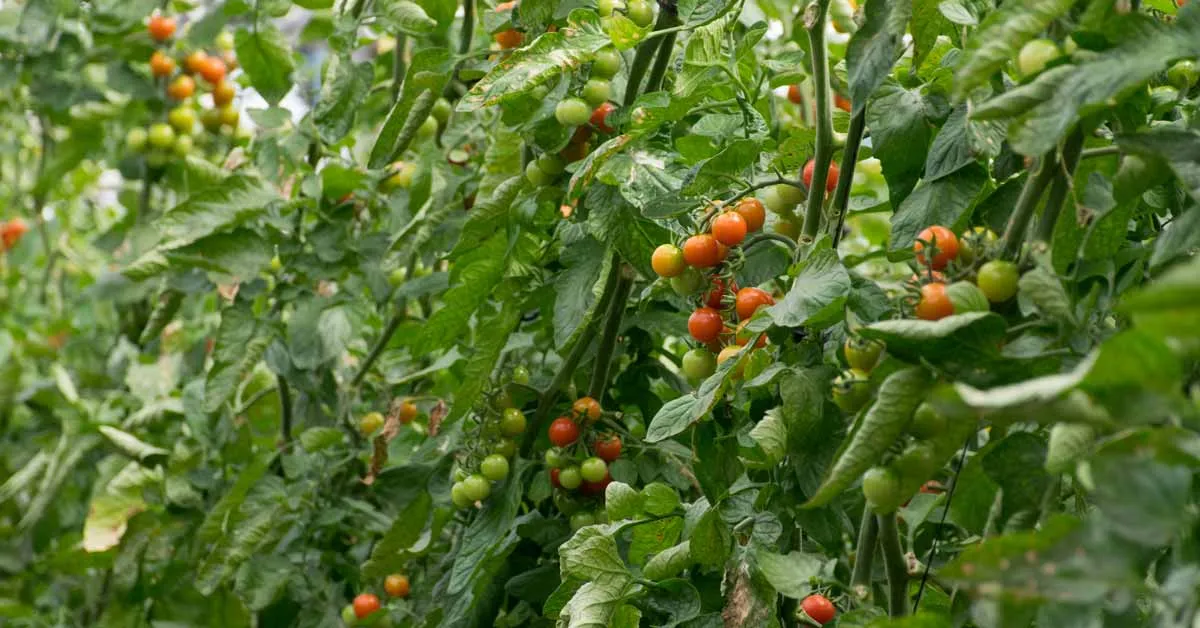
"I love it because I know that means they're enjoying it," Barsotti said. She's learned that quality shows. When you buy local beef instead of the industrial kind, kids notice. When you use actual tomatoes instead of whatever comes in a can, it matters. The center-of-plate items — the proteins that anchor a meal — became her priority, because that's where the difference between good and forgettable really lives.
We're a new kind of news feed.
Regular news is designed to drain you. We're a non-profit built to restore you. Every story we publish is scored for impact, progress, and hope.
Start Your News DetoxThe farm seven miles down the road
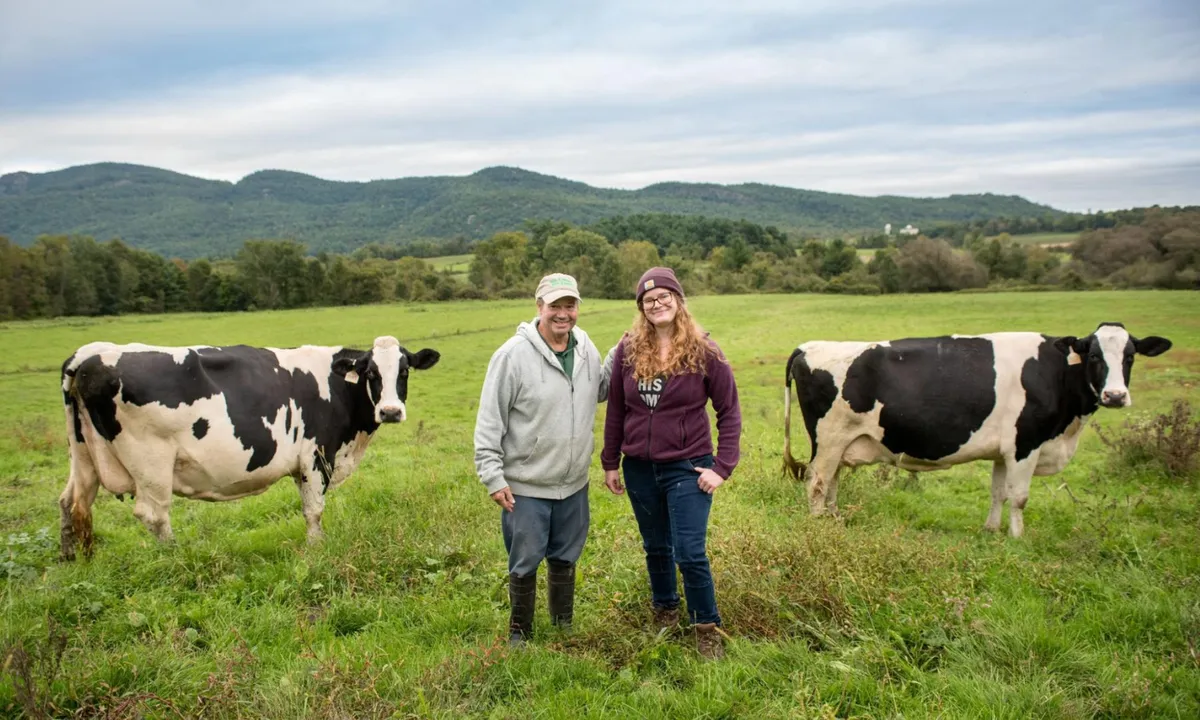
Circle G Farms sits just seven miles from the school. It's a diversified operation that pasture-raises cattle on feed grown on the same land. The manure cycles back into the soil, fertilizing everything. Co-owner Carly Guinn describes it as using "every division of our farm to its highest potential and keep it sustainable." It's the kind of closed-loop system that sounds elegant on paper and turns out to actually work in practice — especially when there's a school cafeteria ready to buy what you're growing.
The grant money has since dried up. But that's not the end of the story. School districts across Kentucky are scrambling to keep the partnerships alive, to hold onto the menus they've built, to maintain the relationships with farmers they've only just started. The infrastructure is still there. The taste buds have been changed. The question now is whether schools can find a way to keep buying local without the subsidy — and whether other states start noticing what happened in Kentucky and decide to try it themselves.