A new quantum battery prototype shows fast, scalable charging. This brings the technology closer to real-world energy uses.
Scientists have created a proof-of-concept quantum battery. It can charge, store, and release energy. This is a big step toward a working version of this technology.
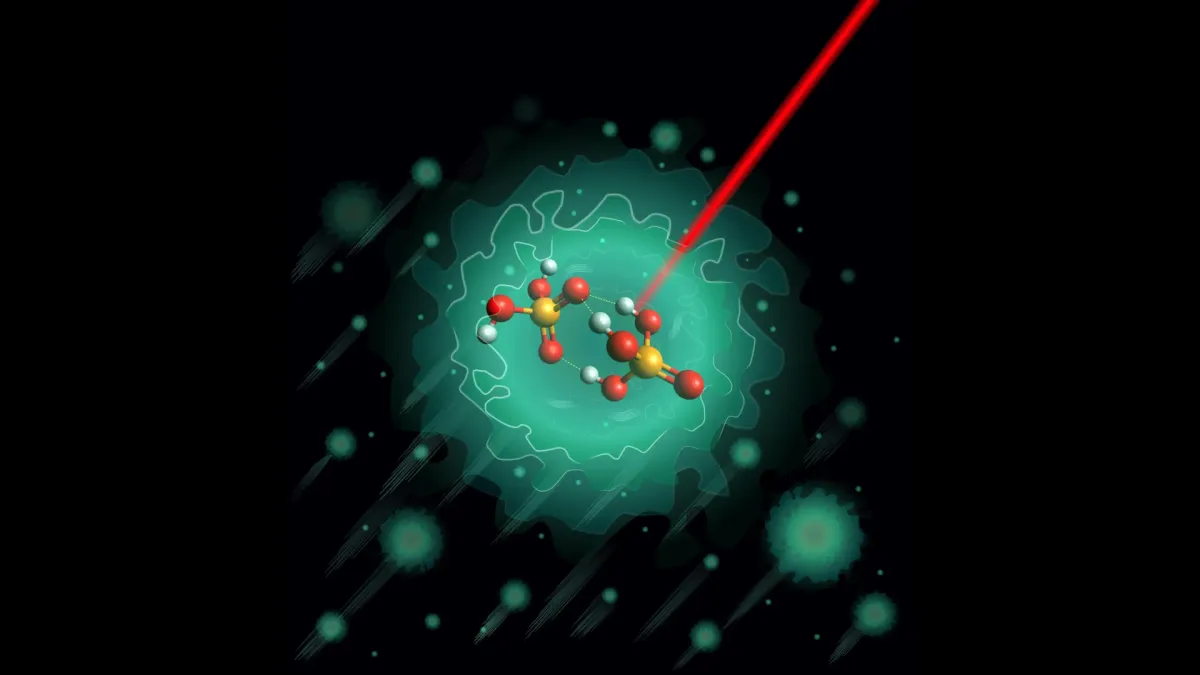
Unlike regular batteries that use chemical reactions, quantum batteries use quantum effects. They rely on how light and electrons interact. This method could lead to much faster charging and more energy storage.
We're a new kind of news feed.
Regular news is designed to drain you. We're a non-profit built to restore you. Every story we publish is scored for impact, progress, and hope.
Start Your News DetoxFully working quantum batteries are not here yet. But progress like this could change how we store and use energy.
New Research Shows Promise
CSIRO, Australia’s national science agency, led this study. RMIT University and the University of Melbourne also helped. Their findings were published in Light: Science & Applications.
Daniel Tibben, a PhD candidate at RMIT and co-author, noted a surprising benefit.
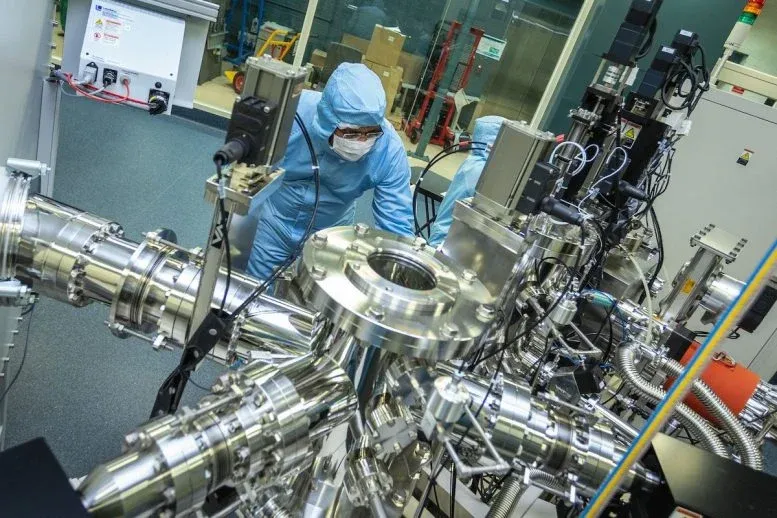
"Our study found quantum batteries charge faster as they get larger," Tibben said. "This is different from how today’s batteries work." He added that this suggests quantum batteries could one day be better than current energy storage.
A Step Toward a Working Device
RMIT Professor Daniel Gómez, a co-author, said this prototype is the closest yet to a working quantum battery.
"We showed a device that can be charged, store energy, and then release it," Gómez explained. He called it an exciting development in a fast-growing field. He hopes quantum batteries will soon be built in labs, not just be a theory.
How Quantum Batteries Work
Quantum batteries use quantum mechanics principles. These include superposition and entanglement. They do not use the chemical processes found in standard batteries.
The team's prototype is a small, layered organic device. It can be charged wirelessly with a laser.
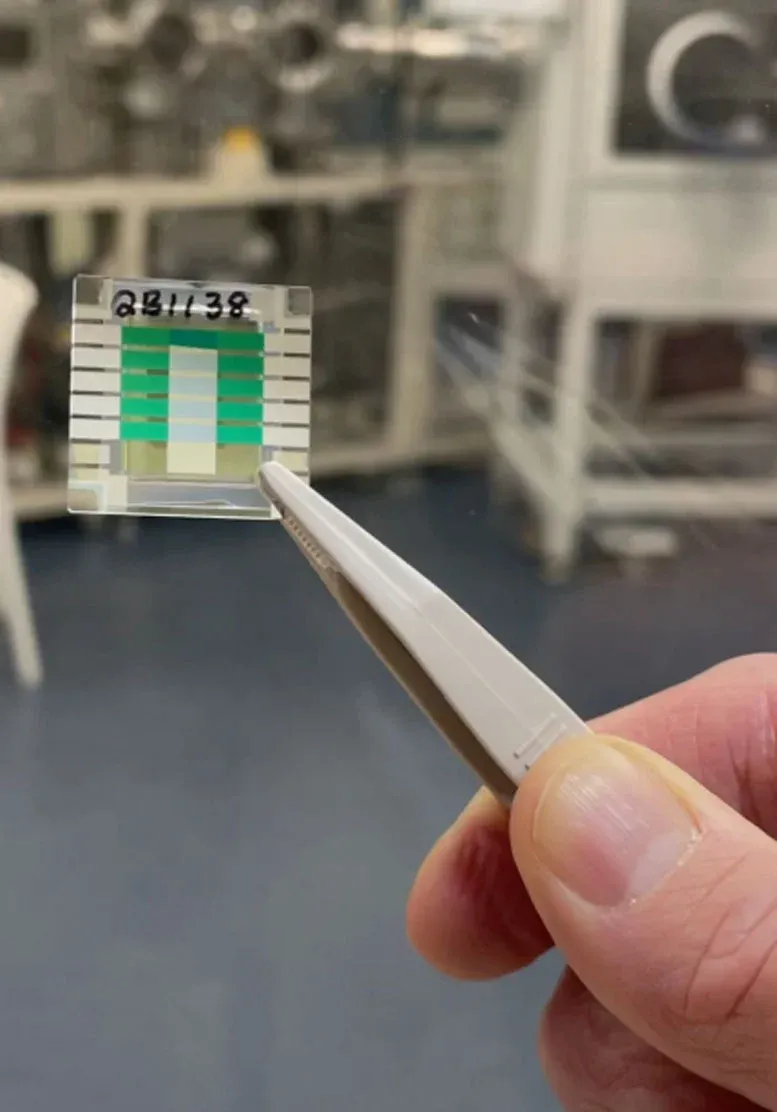
Dr. James Quach, CSIRO Science Leader and lead author, said this work highlights the potential of quantum energy systems.
Future Potential
"Our device shows rapid, scalable charging and energy storage at room temperature," Quach said. "This sets the stage for new energy solutions."
He noted there is still much to do in quantum battery research. But he believes they have made an important step. His goal is a future where electric cars charge faster than gas cars. He also hopes devices can charge wirelessly over long distances.
The researchers are now working to make quantum batteries hold energy longer. This is key to making them useful for everyone.
Deep Dive & References
Superextensive electrical power from a quantum battery - Light: Science & Applications, 2026