Imagine a material that doesn't just sit there, but learns. A material that can remember shapes, adapt its own behavior, and even move around — all without a central brain telling it what to do. Because apparently, that's where we are now. Researchers at the University of Amsterdam have cooked up new metamaterials that act less like inert objects and more like tiny, self-teaching organisms.
These aren't your grandma's programmable plastics. These engineered systems adjust their responses based on past experiences, letting them tackle tasks usually reserved for actual robots. Which, if you think about it, is both impressive and slightly terrifying.
Learning on the Fly
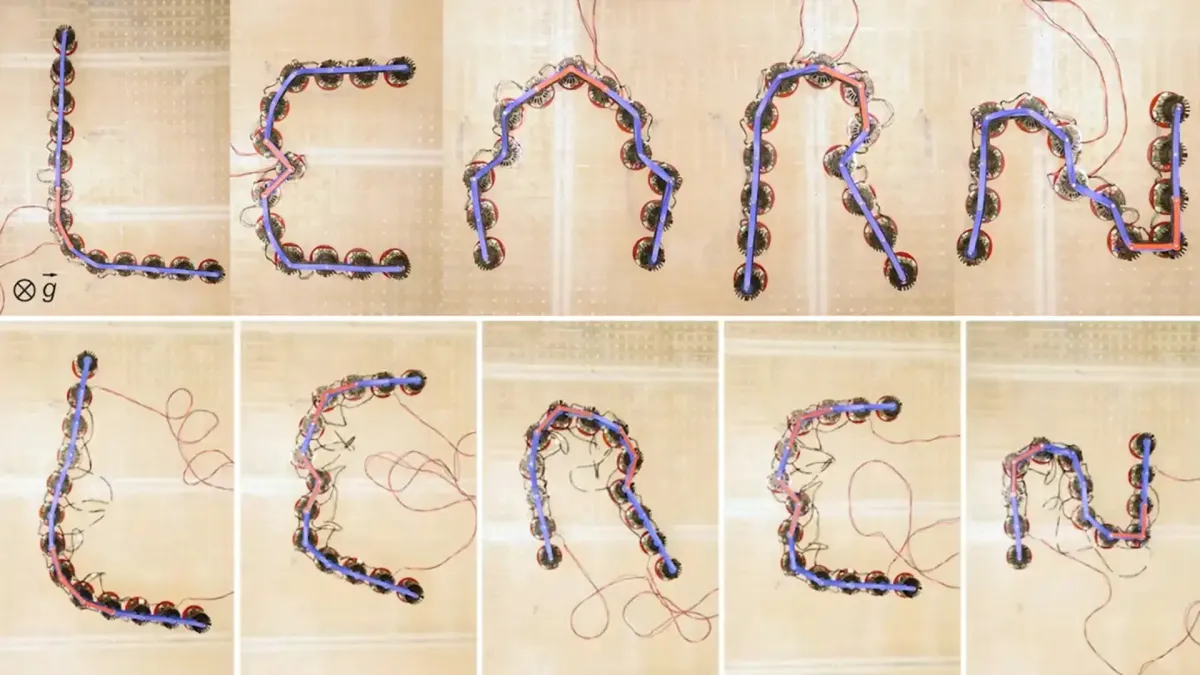
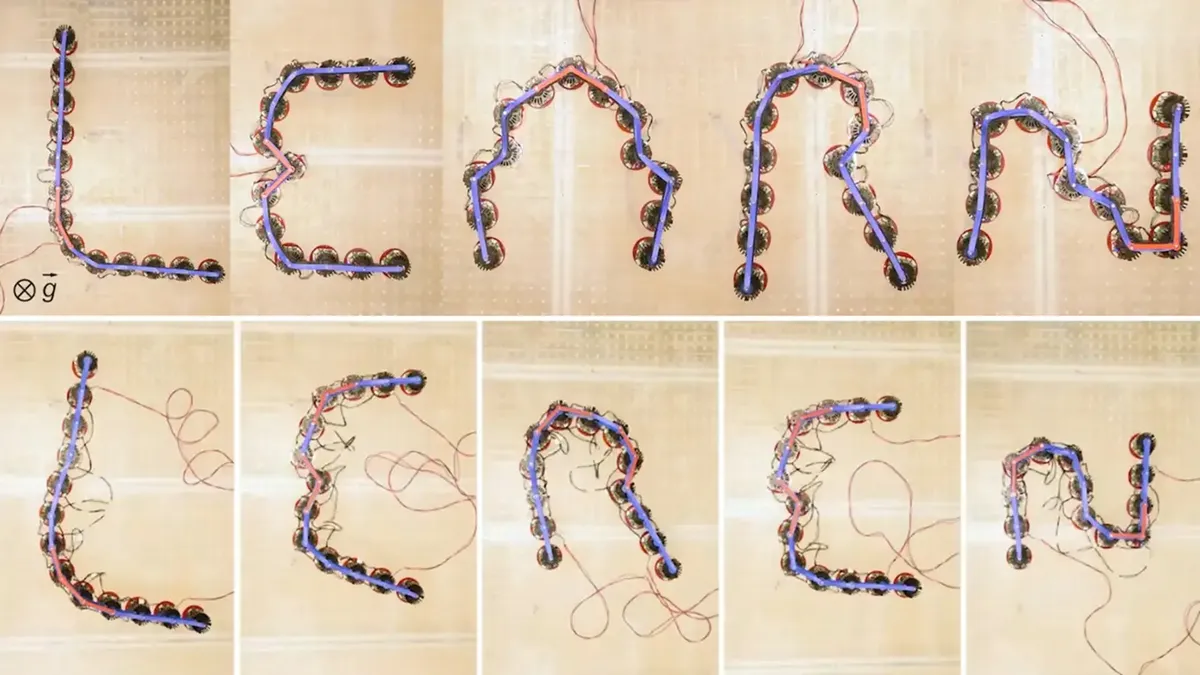
The secret sauce? Chains of identical motorized hinges, all linked by an elastic structure. Each hinge packs its own mini-computer, tracking its movements, remembering past states, and, crucially, chatting with its neighbors. No central command center needed; the decisions are distributed, like a highly organized ant colony with a memory chip.
We're a new kind of news feed.
Regular news is designed to drain you. We're a non-profit built to restore you. Every story we publish is scored for impact, progress, and hope.
Start Your News DetoxHere’s how they learn: Researchers manually bend a few hinges (the 'input'), then guide others into a desired shape. Over countless repetitions, the system updates how much force each hinge applies. Eventually, the material gets it. It sees that initial bend and snaps into the trained shape all by itself. Even better, it can forget old shapes, learn new ones, and store multiple configurations, switching between them on demand.
Yao Du, one of the researchers, put it best: this learning ability gives these metamaterials the power to evolve. Once they start learning, he noted, the possibilities seem almost limitless. It's a significant leap from materials that are merely programmable to systems that can adapt in real-time, showing how intelligence can bubble up from simple parts working together.
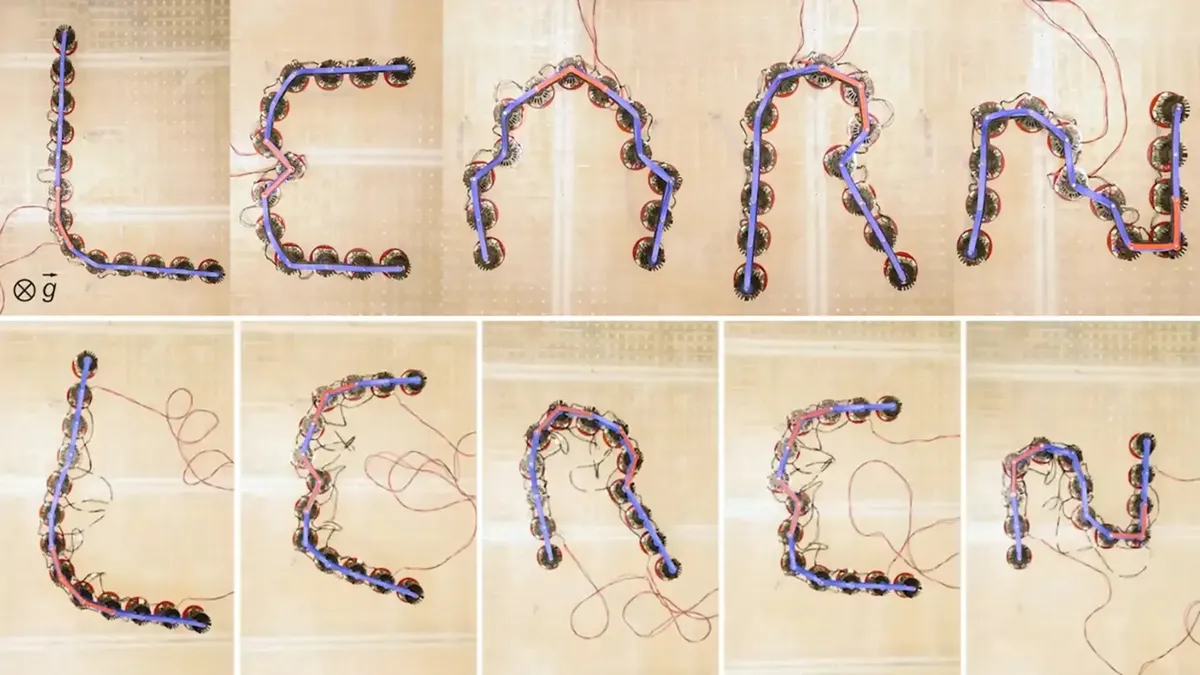
By spreading the decision-making throughout the material, future machines could become tougher, more flexible, and better equipped for unpredictable environments. Think of it as giving a material a bit of street smarts.
These brainless systems can already do things like grip objects or scoot across surfaces, much like some of the simpler critters in the animal kingdom. Earlier versions could move, sure, but they were stuck in their ways. These new ones? They're ready for their close-up.
Next up, the team wants these materials to learn time-dependent behaviors — imagine them switching from a crawl to a roll, all on their own. They also want to see how the system handles uncertainty, learning in noisy conditions where responses are probabilities, not certainties. Because life, as we know, is rarely a straight line.
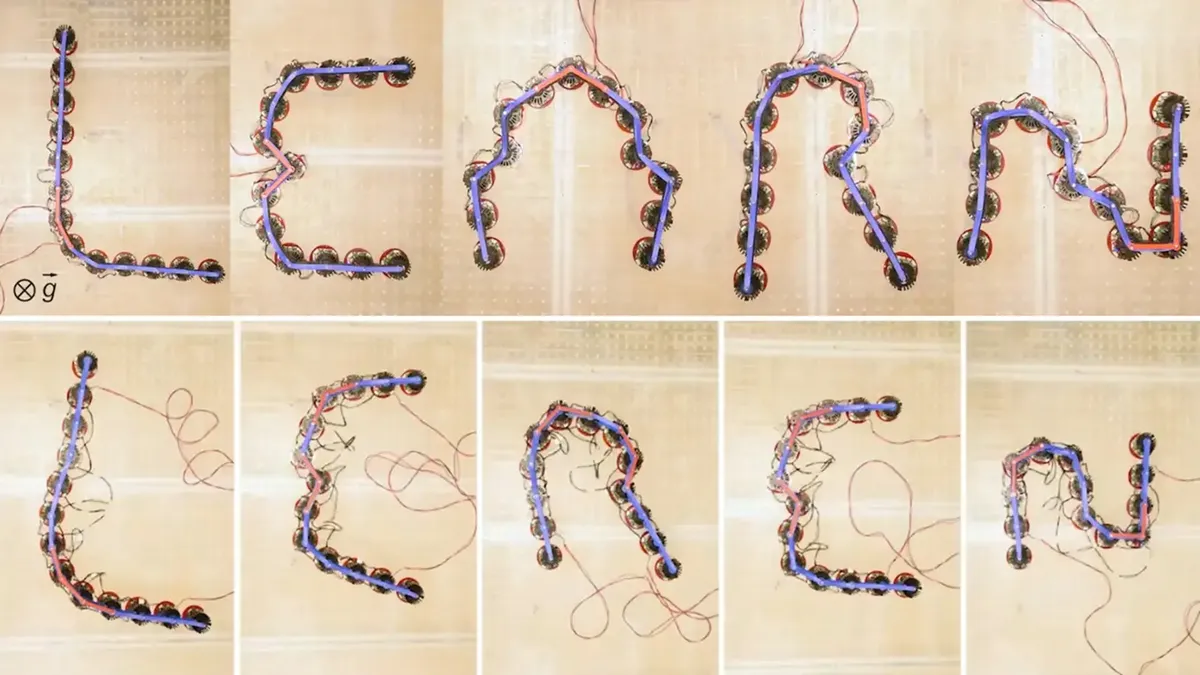
This work is a fascinating peek into a future where physical structure and adaptive intelligence aren't just roommates, but inextricably linked. It could open doors in robotics, soft machines, and systems that genuinely respond to the world around them.