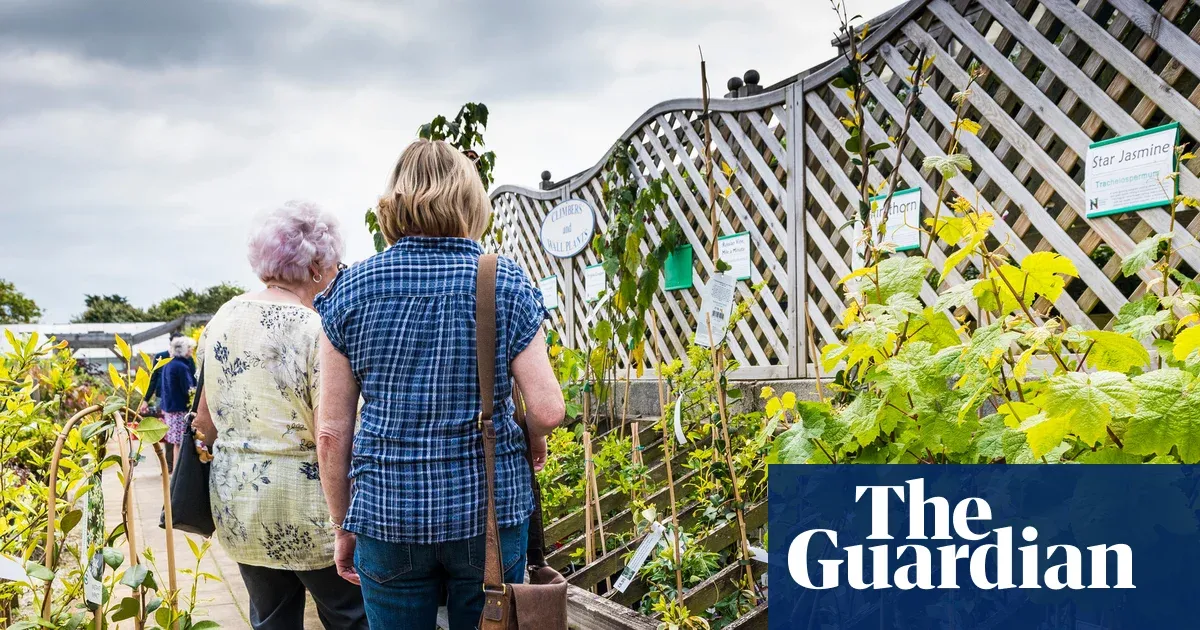
Your garden might be quietly disappearing. Not your actual garden — the plants in it. More than half of the cultivated varieties that thrived in British gardens a generation ago have simply stopped being sold. They didn't die out because they couldn't survive here. They vanished because fashion moved on, nurseries stopped stocking them, and we all started buying the same five reliable varieties from the same garden centre.
Plant Heritage, a UK conservation charity, has been tracking this slow homogenization. They've assessed over 133,000 cultivated plants — the ones we've bred, selected, and grown over centuries. The numbers are stark: more than half are no longer reliably available for purchase anywhere in the UK. One in six exist in only one or two locations. Some cultivated plants that are extinct in their native countries — like Angel's trumpets (Brugmansia) — now survive only in places like Kew Gardens, kept alive by people who decided they were worth preserving.
This might sound like a niche concern. It's not. When gardens become monocultures of the same hardy, easy-to-grow varieties, they stop feeding the things that depend on them. Bees, butterflies, birds — they evolved alongside diverse plant communities. A garden full of the same three shrubs is quieter than it should be.
We're a new kind of news feed.
Regular news is designed to drain you. We're a non-profit built to restore you. Every story we publish is scored for impact, progress, and hope.
Start Your News DetoxWhy this is happening (and why it matters)
The reasons are mundane and structural. Gardens are getting smaller. More of them are being paved over. Garden centres stock what sells, and what sells is what's familiar and foolproof. Fewer people know how to propagate plants anymore — to take a cutting, coax it to root, and grow something new from something old. So when a plant falls out of fashion, it doesn't just disappear from your garden. It disappears from everywhere.
But here's the part that makes this resolvable: plants don't need a nature reserve to survive. They need people who want to grow them. Plant Heritage runs "national collections" — basically, designated guardians who maintain stocks of particular plants and keep them alive through cultivation. These collections are recognized internationally as conservation work. They're working, but they need more people to join.
The charity is making their case at the Chelsea Flower Show in May with their first show garden, featuring plants already safeguarded in national collections — Geum, Boehmeria, Polypodium, Thalictrum — alongside others that desperately need a "missing collector" to step forward and take them on. Plants like Aquilegia and Verbascum that nobody's officially protecting yet.
The invitation is direct and practical. You don't need to be a botanist. You don't need a large garden. You just need to decide that a plant is worth keeping. The easiest way to start is with cuttings. Take a healthy stem from a non-flowering part of the plant, cut it cleanly just below a leaf joint, remove the lower leaves, pot it in well-draining soil, keep it moist, and wait. Label it. Pass it on. Tell people where it came from. That's how plants survive — not in seed banks or botanical institutions alone, but in the hands of people who decided they mattered.
Gwen Hines, Plant Heritage's chief executive, put it simply: "Plants in your garden may appear safer than those in the wild, but they can still be at risk." The difference is that you can do something about the ones in your garden. Right now.