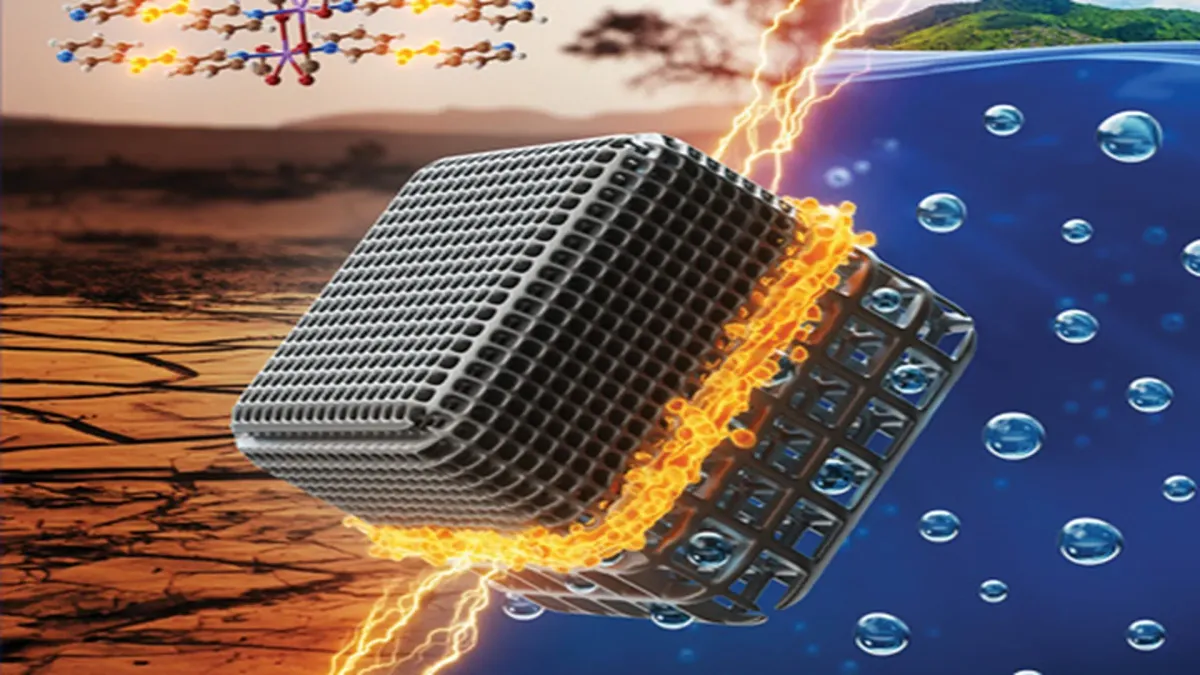
Plant roots do more than just absorb water. They can change their structure to handle water stress better. Scientists at the University of Geneva (UNIGE) and the University of Lausanne (UNIL) studied 284 types of Arabidopsis thaliana. They found that a protective layer in roots, called suberin, changes based on where the plant comes from and its climate.
The researchers also found a new gene that controls suberin. This gene is linked to a hormone that helps plants deal with water stress.
This study, published in Nature Plants, shows how plants adapt to their surroundings. It could help create crops that can better survive dry conditions.
We're a new kind of news feed.
Regular news is designed to drain you. We're a non-profit built to restore you. Every story we publish is scored for impact, progress, and hope.
Start Your News DetoxRoots are the main connection between plants and soil. To control how much water and nutrients they take in, plants create a waterproof barrier of suberin. This barrier is in the endodermis, a cell layer around the vessels that carry sap.
This barrier is key for plants to adapt to tough conditions like drought, salty soil, or lack of minerals.
Before this study, most of what we knew about suberin came from one type of Arabidopsis thaliana grown in labs. Scientists didn't know much about how suberin formed in natural settings.
Exploring Natural Diversity
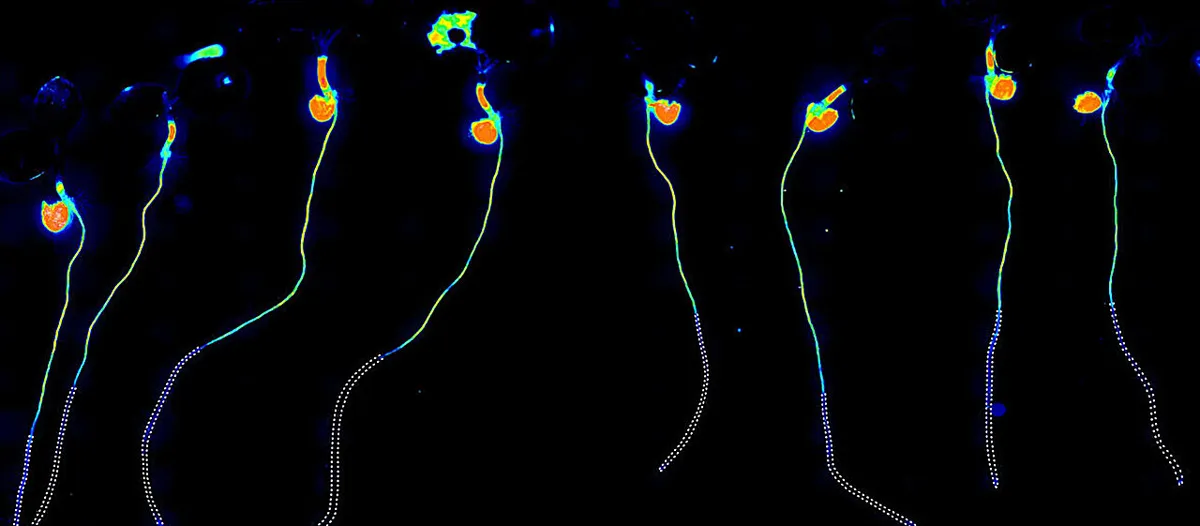
The team, led by Marie Barberon, looked at the natural differences in 284 Arabidopsis plants from various parts of the world. They used a special dye to measure how suberin formed along the roots of each plant. They saw a lot of differences in how much suberin was present and where it was located.
The team then compared these root traits with the climate conditions where the Arabidopsis plants grew. They found that plants from areas with changing rainfall, drier conditions, and higher temperatures had more suberin.
Jian-Pu Han, the study's lead author, explained that these findings suggest a stronger suberin barrier helps plants adapt to water stress. It allows them to control water exchange with the soil better.
Identifying a New Genetic Regulator
Using genetic analysis, the team found a new gene that is important for forming this barrier. Han noted that this gene is a key controller of suberin. When the gene is more active, the barrier gets stronger. When it's disrupted, the barrier forms less effectively.
The biologists also found that this control system is linked to abscisic acid (ABA). ABA is a plant hormone that helps plants respond to environmental stresses, especially water stress.
Barberon concluded that changes in hormonal responses affecting suberin are a central part of how plants adapt to climate. This study found a new genetic way to adjust root properties. This could lead to developing crops that are more resistant to climate stress.
Deep Dive & References
GWAS reveal SUBER GENE1-mediated suberization via type one phosphatases - Nature Plants, 2026