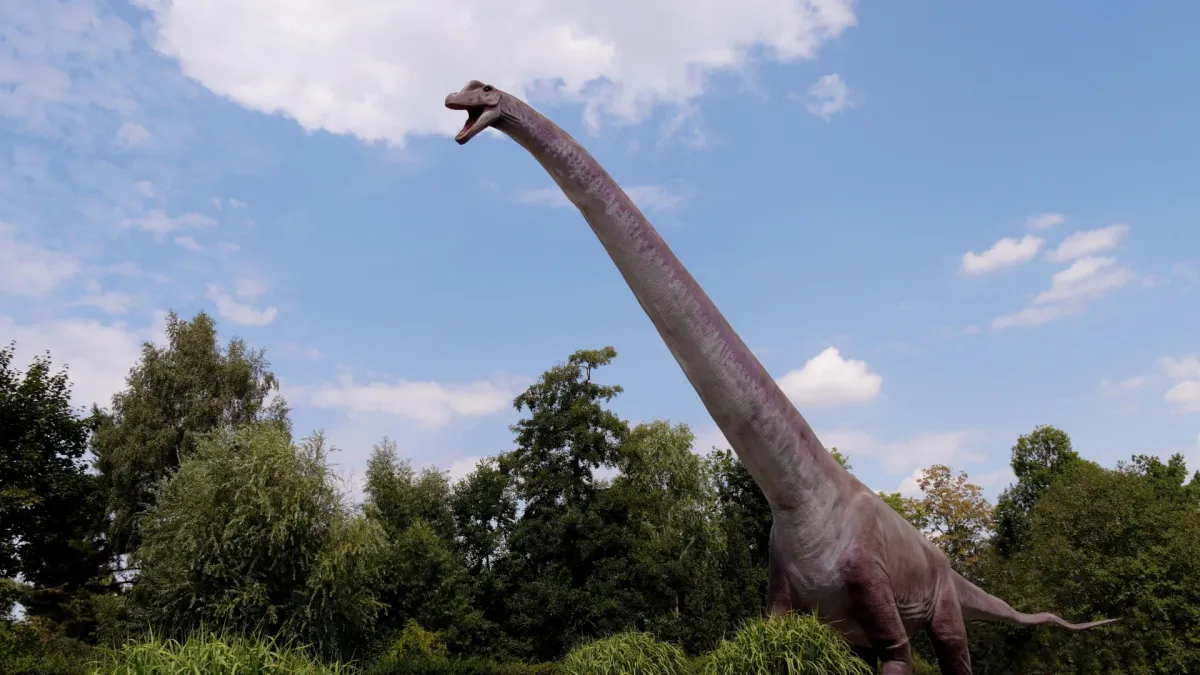
Imagine a young Brachiosaurus the size of a golden retriever, foraging for plants alongside other juveniles while staying alert for predators. Miles away, its parents—towering 40 feet high—continue their lives unbothered by parenting duties. For decades, scientists missed what this scene reveals: a fundamental difference in how dinosaurs and mammals structured their worlds.
Thomas R. Holtz Jr., a geologist at the University of Maryland, has spent years unpacking this overlooked distinction. In research published in the Italian Journal of Geosciences, he argues that parenting strategies didn't just affect individual dinosaurs—they reshaped entire ecosystems in ways we're only now beginning to understand.
"A lot of people think of dinosaurs as the mammal equivalents of the Mesozoic," Holtz said. "But there's a critical difference scientists didn't really consider: how animals raise their young impacts the whole ecosystem around them."
We're a new kind of news feed.
Regular news is designed to drain you. We're a non-profit built to restore you. Every story we publish is scored for impact, progress, and hope.
Start Your News DetoxTwo Completely Different Childhood Models
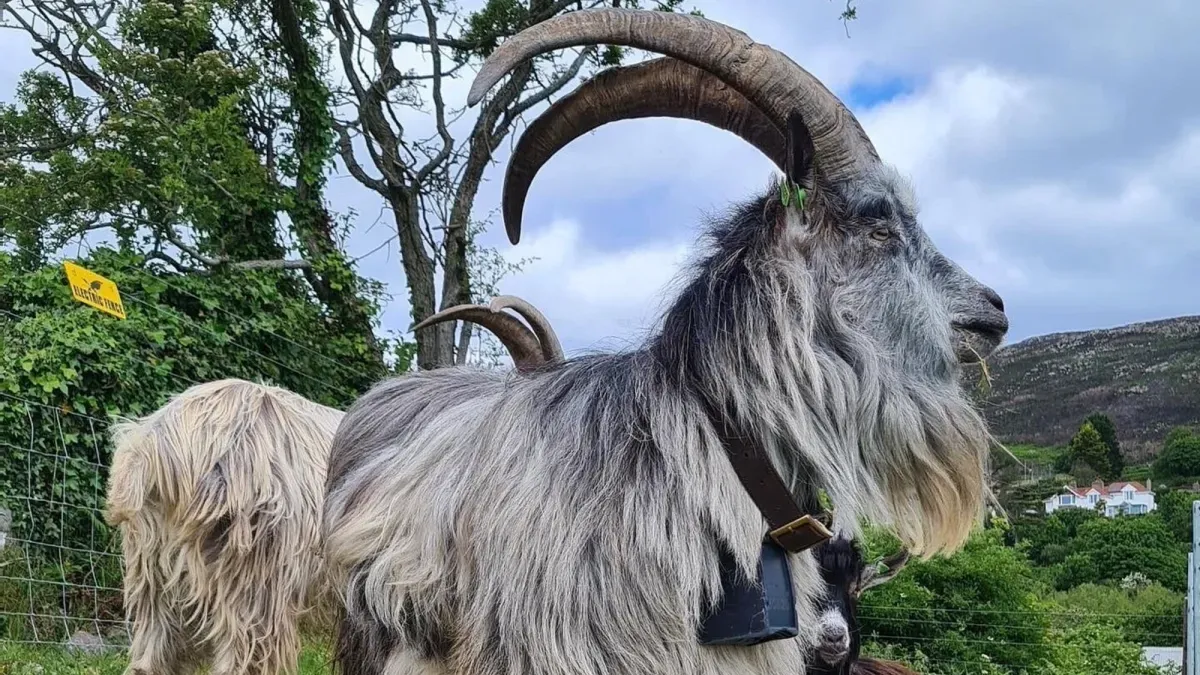
Modern mammals are what Holtz calls "helicopter parents." A mother tiger hunts for cubs nearly her own size. Elephant calves, already massive at birth, follow their mothers for years. Human children depend on adults deep into their teenage years. Because offspring stay close to parents, young mammals eat the same food and occupy the same spaces as adults—they're basically mini versions of their parents, ecologically speaking.
Dinosaurs worked differently. While some species may have guarded nests briefly, juveniles became independent within months or a year. Fossil evidence shows pods of young dinosaurs preserved together with no adults nearby—they formed peer groups, foraged for themselves, and fended off their own threats. It's closer to how crocodilians work today: nests get defended, but hatchlings disperse quickly to live on their own.
The reproductive math made this possible. Dinosaurs laid eggs in large clutches, often producing dozens of offspring at once. This strategy—many offspring, minimal parental investment—meant some would survive even if most didn't. Mammals, by contrast, have fewer babies and keep them dependent much longer.
"Dinosaurs were more like latchkey kids," Holtz said. "They got their own food and fended for themselves."
What This Actually Meant for Ecosystems
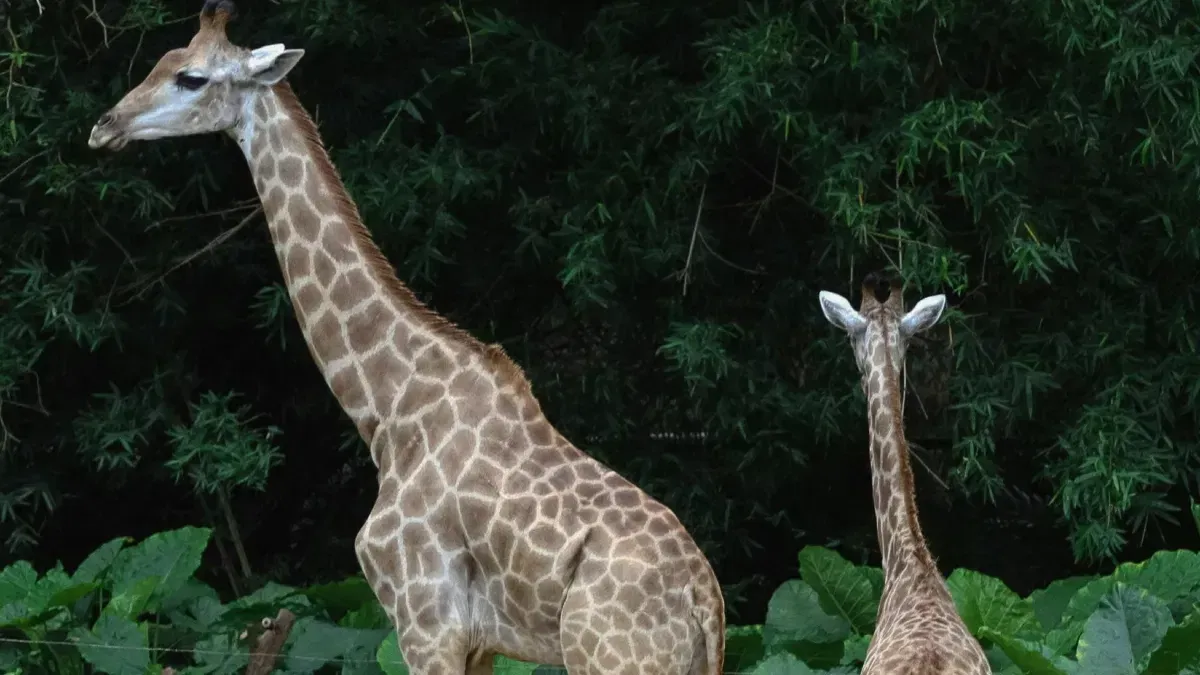
Here's where it gets interesting. A juvenile Brachiosaurus couldn't reach leaves 10 meters up like an adult could. It ate different plants, lived in different spaces, and faced different predators. As it grew from sheep-sized to horse-sized to giraffe-sized to enormous, its ecological role shifted at each stage. Technically the same species—but functionally, almost a different animal.
When Holtz recalculated ecosystem diversity with this in mind, something surprising emerged. If you count juvenile and adult dinosaurs as separate functional species (which ecologically, they were), dinosaur fossil communities actually had more functional diversity on average than modern mammal-dominated ones.
"This completely changes how scientists view ecological diversity in that world," Holtz said. "We thought mammals live in more diverse communities because we have more species. But the numbers shift when you account for what dinosaurs were actually doing."
Why could ancient ecosystems support this? Holtz points to two factors. The Mesozoic was warmer with higher carbon dioxide levels—conditions that likely boosted plant growth, creating a richer food base. Second, dinosaurs may have had lower metabolic demands than similarly sized mammals, meaning they needed less fuel overall. "Our world might actually be kind of starved in plant productivity compared to the dinosaurian one," Holtz suggested.
This doesn't mean dinosaur ecosystems were simply "more diverse." It means diversity was structured differently—built on a fundamentally different parenting model that has no real parallel in modern nature. Young and adult dinosaurs were ecological partners in a way that never happens with mammals today.
"We shouldn't just think dinosaurs are mammals cloaked in scales and feathers," Holtz said. "They're distinctive creatures that we're still working to fully understand."