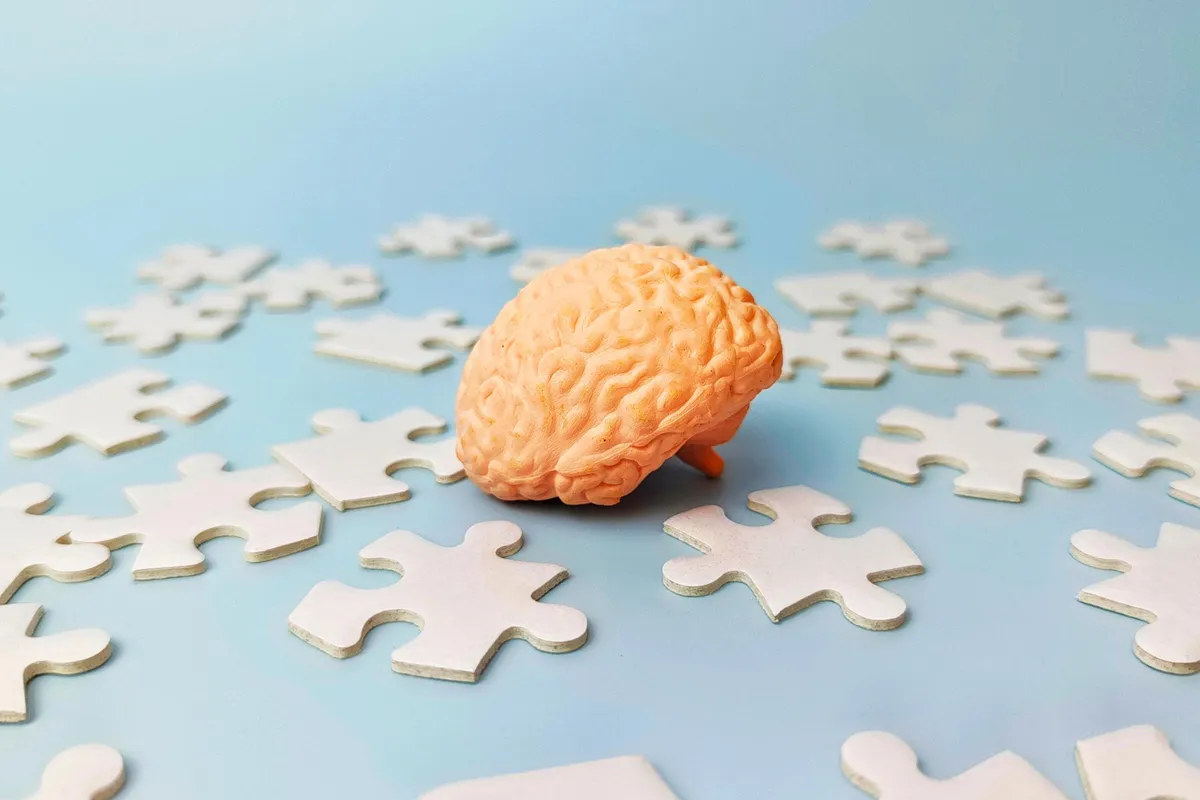
Your brain's wiring doesn't just follow chemical breadcrumbs. It also listens to how stiff the tissue around it feels.
Researchers at Max Planck Institute, Friedrich-Alexander-Universität Erlangen-Nürnberg, and Cambridge have discovered that mechanical forces in developing brain tissue actively shape the chemical signals that guide how neurons grow. The mechanism hinges on a single protein: Piezo1, which acts as both a force sensor and an architect of the chemical landscape.
The team, led by Kristian Franze, used African clawed frogs—a standard model for studying development—to trace how tissue stiffness influences gene expression. When they increased stiffness in certain brain regions, cells began producing chemical signals like Semaphorin 3A that wouldn't normally appear there. But this only happened when Piezo1 levels were high enough. The protein essentially translates mechanical pressure into chemical instruction.
We're a new kind of news feed.
Regular news is designed to drain you. We're a non-profit built to restore you. Every story we publish is scored for impact, progress, and hope.
Start Your News Detox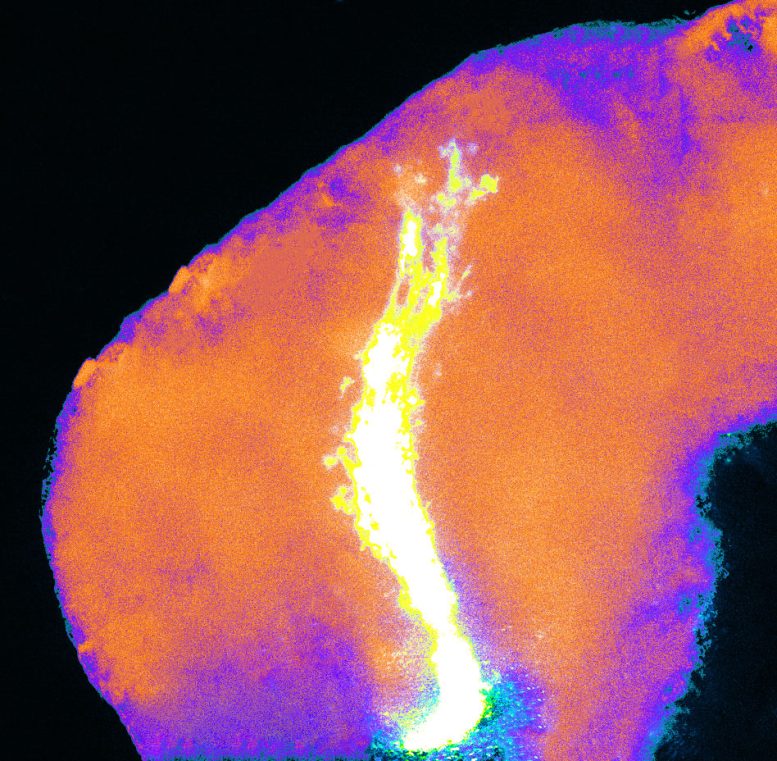
"We didn't expect Piezo1 to act as both a force sensor and a sculptor of the chemical landscape," said Eva Pillai, a postdoctoral researcher at the European Molecular Biology Laboratory. "It not only detects mechanical forces—it helps shape the chemical signals that guide how neurons grow."
But Piezo1's job doesn't stop at sensing. The researchers found that when Piezo1 levels drop, the tissue itself becomes less stable. Cell-adhesion proteins like NCAM1 and N-cadherin—the molecular glue holding cells together—decline. This creates a feedback loop: weaker tissue structure leads to altered chemical signals, which in turn affects how cells develop and organize.
"Piezo1 doesn't just help neurons sense their environment—it helps build it," said Sudipta Mukherjee, co-lead researcher. "By regulating adhesion proteins, Piezo1 keeps cells well connected, which is essential for stable tissue architecture."
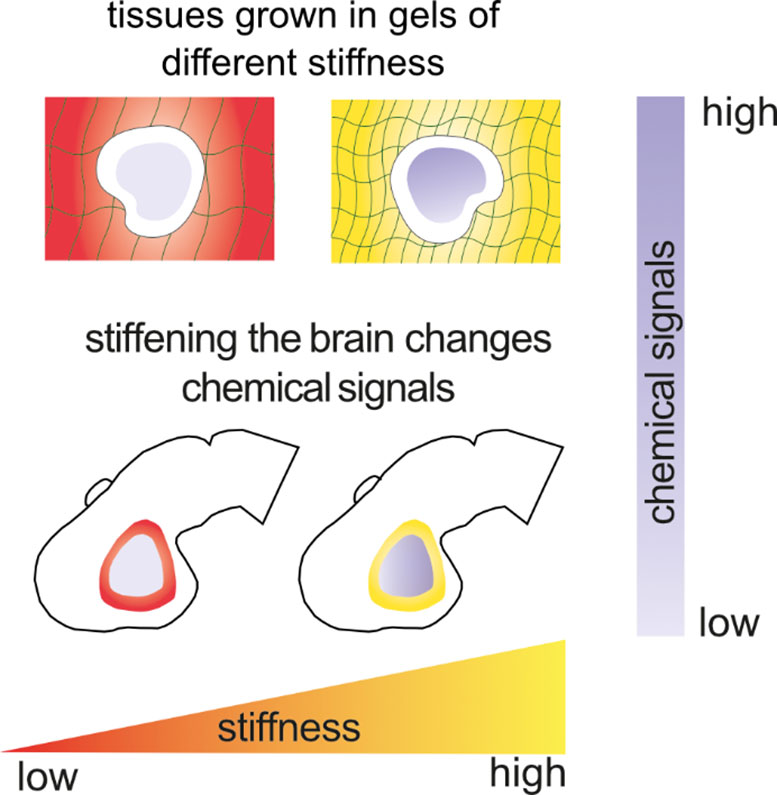
This connection between mechanical and chemical worlds has immediate relevance beyond basic biology. Errors in how neurons find their way are linked to congenital and neurodevelopmental disorders. Abnormal tissue stiffness contributes to cancer. By showing that mechanical conditions actively regulate chemical signaling, this work opens new angles for understanding both healthy development and disease.
"The brain's mechanical environment is not just a backdrop—it is an active director of development," Franze noted. The discovery suggests that tissue stiffness can influence chemical signals across distances, affecting cells far from where the mechanical stimulus originates. This may reshape how researchers think about development, regeneration, and the origins of disease.