The fingerprint of human evolution
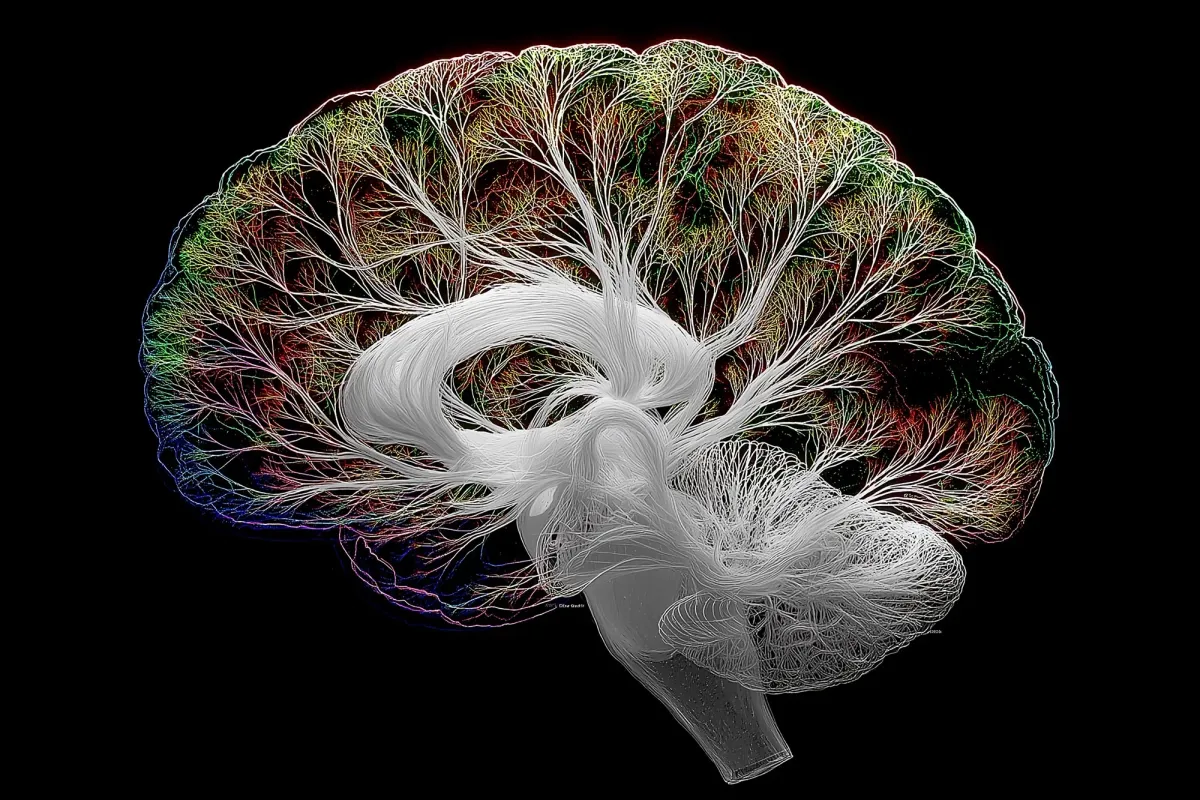
Human brains have grown steadily larger over evolutionary time — a shift that helped define us as a species. New research suggests this expansion may have been driven, in part, by prenatal hormone exposure. And there's a visible clue written into your hands.
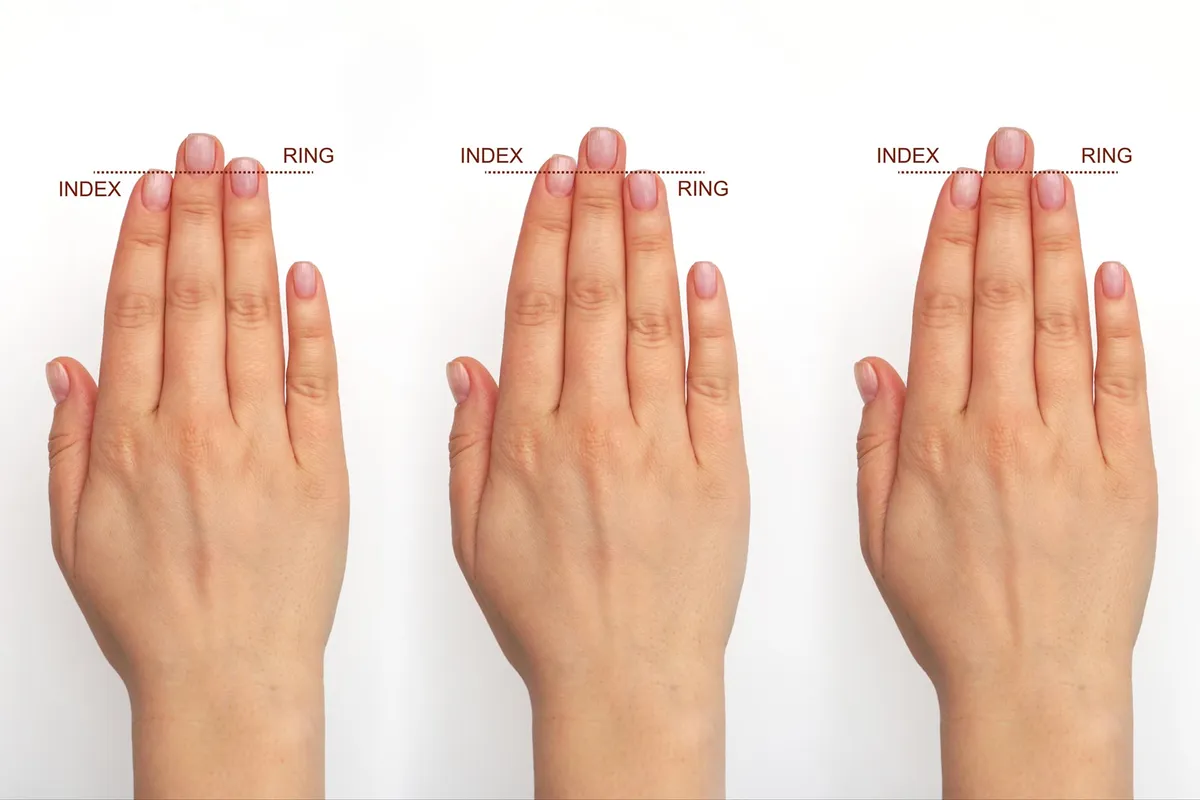
Professor John Manning at Swansea University has spent years studying the 2D:4D digit ratio — a simple measurement comparing your index finger to your ring finger. It turns out this ratio reflects the balance of estrogen and testosterone a fetus encounters during the first trimester of pregnancy. Higher prenatal estrogen tends to produce longer index fingers relative to ring fingers.
The discovery emerged from a collaboration with Istanbul University's anthropology department. The team measured both finger ratios and head circumference in 225 newborns — 100 boys and 125 girls — because head size at birth correlates strongly with brain size and later IQ scores. What they found was striking: in boys, higher digit ratios (suggesting greater prenatal estrogen exposure) linked directly to larger head circumference. The pattern didn't hold in girls, suggesting sex-specific developmental pathways.
We're a new kind of news feed.
Regular news is designed to drain you. We're a non-profit built to restore you. Every story we publish is scored for impact, progress, and hope.
Start Your News DetoxThe evolutionary bargain
This matters because it points to something larger about how humans became human. Bigger brains came alongside what researchers call the "estrogenized ape hypothesis" — a feminization of the skeleton and physiology that accompanied our brain expansion. But there's a cost embedded in this trade.
Manning explains the tension plainly: men with higher digit ratios (more prenatal estrogen) show elevated risks of heart problems, poor sperm counts, and predisposition to schizophrenia. Yet those same hormonal conditions appear to have enabled the brain growth that made human cognition possible. "The evolutionary drive for larger brains in humans may inevitably be linked to reductions in male viability," he notes. In other words, the biological price of human intelligence included increased vulnerability to certain diseases and conditions — a bargain our species struck over millions of years.
Manning's earlier work has found digit ratio connected to alcohol consumption, COVID-19 recovery, and athletic oxygen use, suggesting that finger length may be a window into the hormonal blueprint laid down before birth. These findings don't change anything about who you are, but they do reveal something about the deep biological negotiations that shaped human evolution itself — negotiations written, quite literally, into the length of your fingers.