Your brain has a drainage system. For years, scientists suspected it existed — now they've actually seen it working.
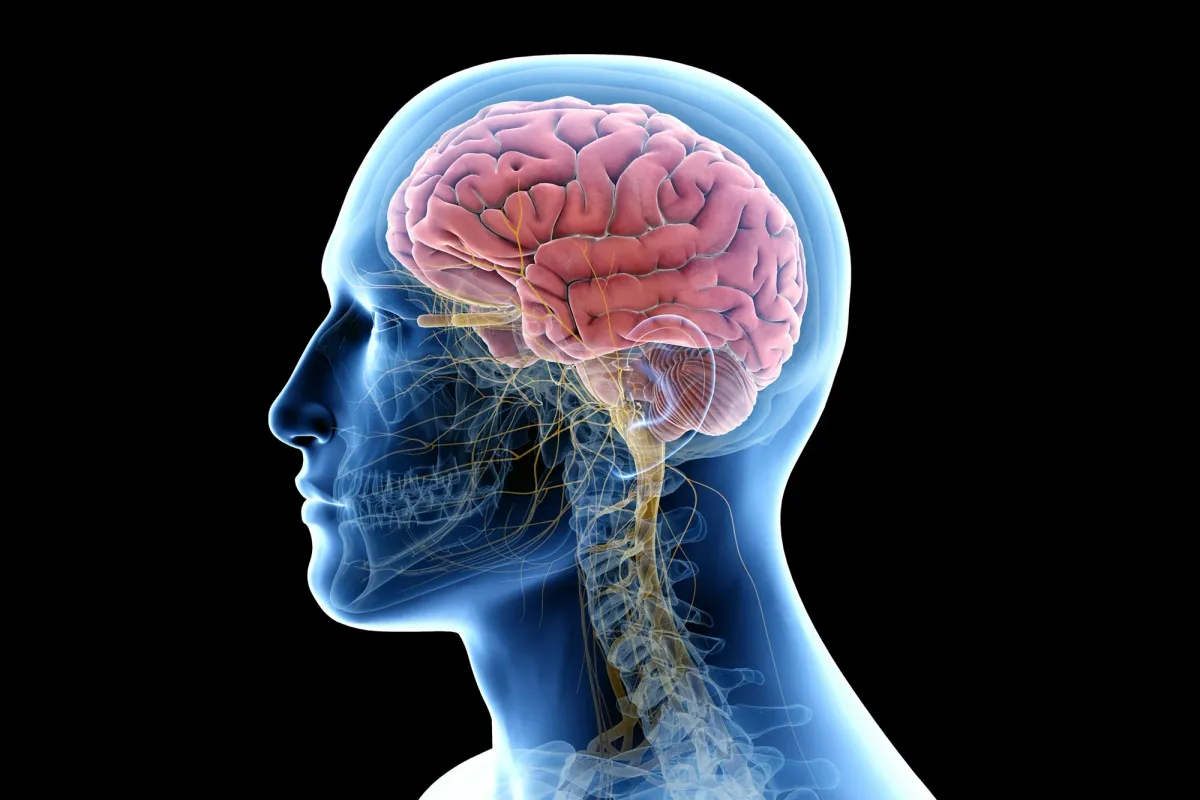
Researchers at the Medical University of South Carolina used real-time MRI to watch cerebrospinal fluid move through a previously unmapped pathway in the human brain, a vessel called the middle meningeal artery. What they found: fluid flowing slowly and steadily, like water draining from a sink, not like blood rushing through an artery. This wasn't accidental discovery. It was confirmation of something that's been quietly reshaping neuroscience for the past decade.
The brain isn't as isolated as we thought
Until about ten years ago, the scientific consensus was straightforward: the brain sits behind a fortress. The meninges — the protective membranes wrapping around your brain and spinal cord — were thought to act as a barrier, keeping the immune system out and the brain safely sealed off. That model was clean. It was wrong.
We're a new kind of news feed.
Regular news is designed to drain you. We're a non-profit built to restore you. Every story we publish is scored for impact, progress, and hope.
Start Your News DetoxOunder Albayram, the lead researcher, has spent years challenging this view. His work revealed that lymphatic vessels — the body's waste-clearing network — don't stop at the brain's edge. They're woven into the meninges themselves, connected directly to the rest of your body. The brain isn't isolated. It's integrated.
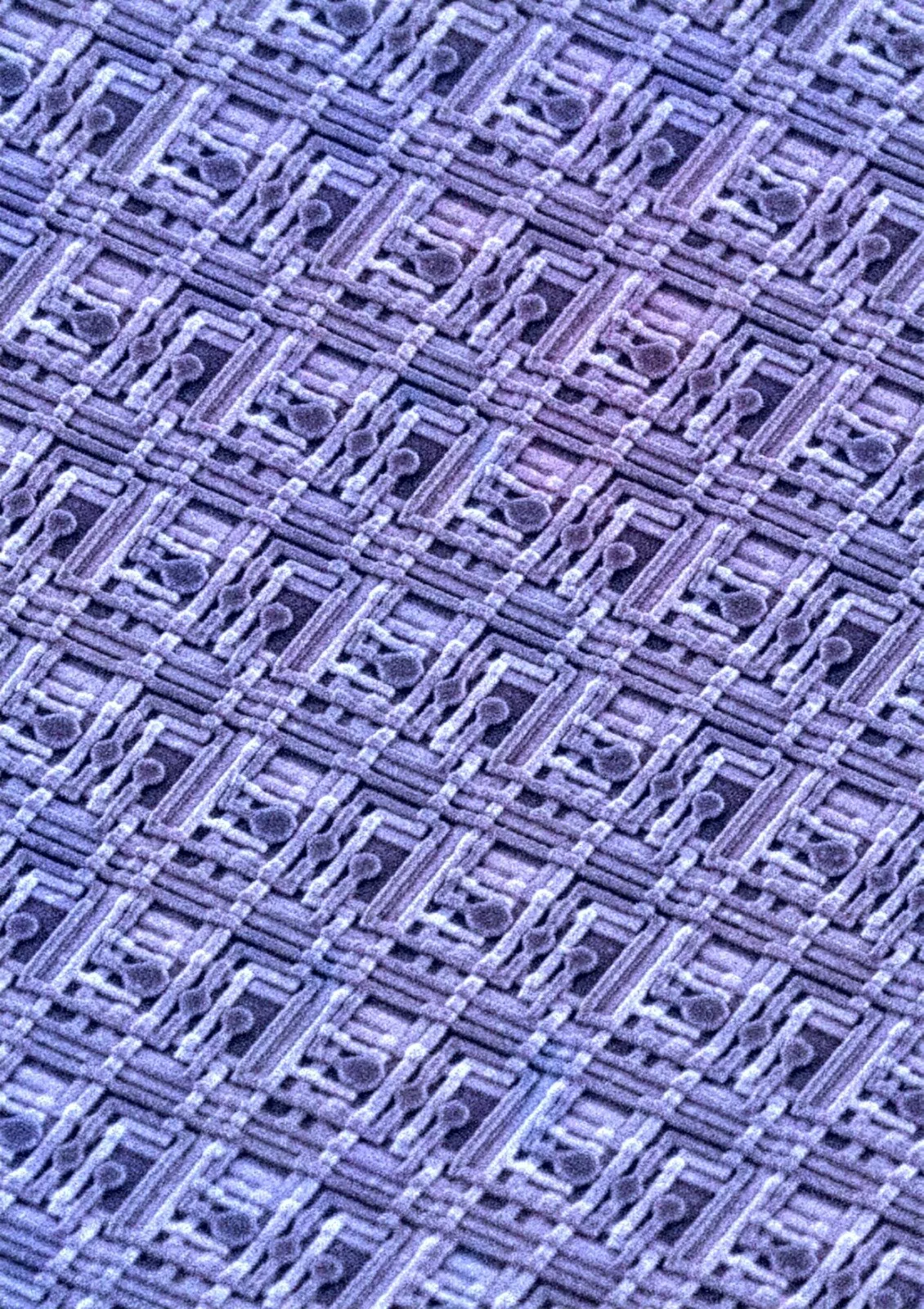
The new study, published in iScience, tracked fluid movement in five healthy volunteers over six hours using imaging tools originally designed by NASA to study how spaceflight affects the body. The pattern was unmistakable: fluid moved slowly and passively along the middle meningeal artery, exactly as it would in a lymphatic drainage system. When the team examined brain tissue under extremely high-resolution microscopy, they found the cells lining this pathway matched those found in lymphatic vessels elsewhere in the body. The images confirmed what the MRI showed: this is real, and it's part of your brain's cleanup crew.
Why this matters now
Understanding how a healthy brain clears waste opens a door that's been locked for decades. Albayram's approach is deliberately methodical: map the normal first, then understand what breaks. Once you know what a healthy drainage system looks like, you can spot when it's failing.
The implications are broad. Neurodegenerative diseases like Alzheimer's involve the buildup of toxic proteins in the brain. Brain injuries disrupt normal fluid flow. Even psychiatric conditions may involve inflammation that a faulty lymphatic system can't clear. None of this is speculation — it's the logical next step from understanding how waste actually leaves the brain.
Albayram is already pursuing research in patients with neurodegenerative diseases, looking for early signs of drainage dysfunction. The goal is straightforward: catch problems earlier, design better treatments, maybe even prevent some conditions from developing in the first place.
"A major challenge in brain research is that we still don't fully understand how a healthy brain functions and ages," Albayram said. "Once we understand what 'normal' looks like, we can recognize early signs of disease and design better treatments."
This isn't a cure. It's not even a treatment yet. What it is: a map. And maps are how you navigate toward solutions.