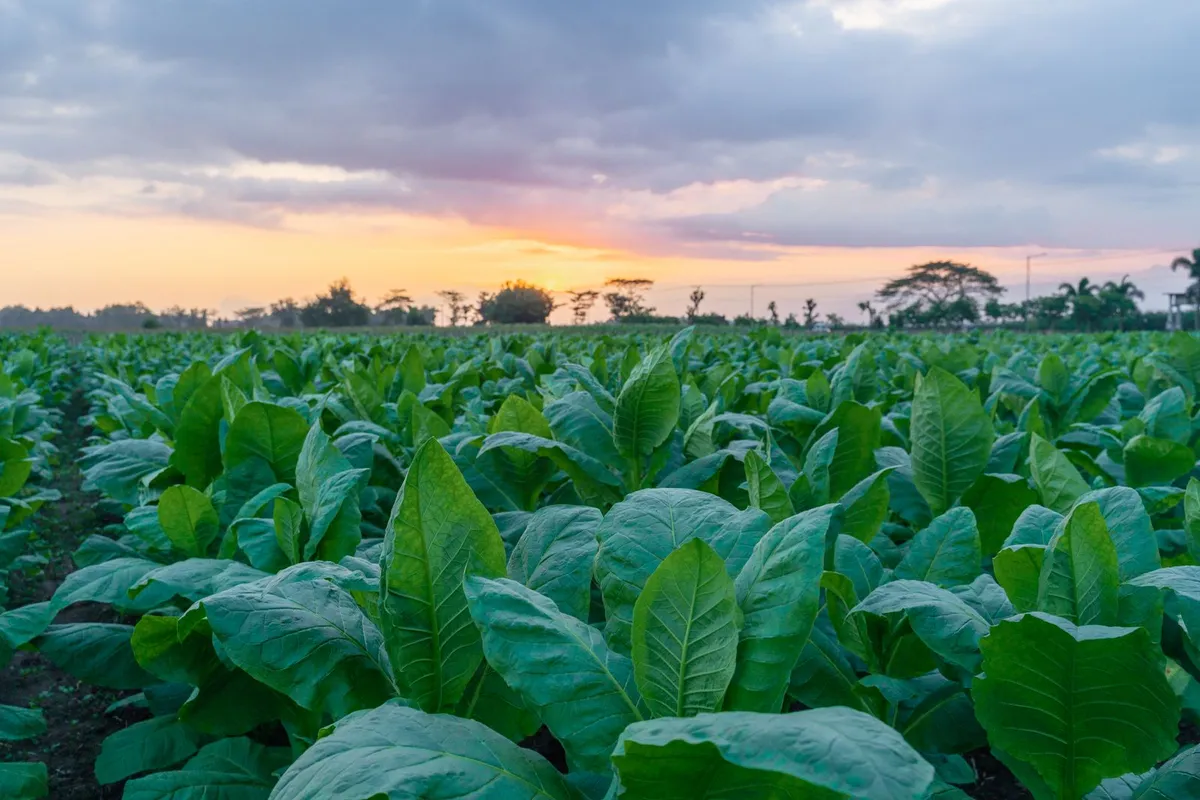
Scientists have engineered tobacco plants to produce five different psychedelic compounds. These substances naturally occur in various plants, fungi, and animals. This new method could make it easier and more sustainable to create psychedelics for scientific study.
A New Way to Produce Psychedelics
The breakthrough, published in Science Advances on April 1, could lead to more efficient ways to make and harvest psychedelics. This would help scientists research their potential to treat mental health conditions. Past studies suggest psychedelics might help with depression, anxiety, and post-traumatic stress.
Andrew Jones, a bioengineer at Miami University not involved in the study, called the work "exciting." He believes these findings could help make psychoactive medications.
We're a new kind of news feed.
Regular news is designed to drain you. We're a non-profit built to restore you. Every story we publish is scored for impact, progress, and hope.
Start Your News DetoxIndigenous peoples have used psychedelics for thousands of years for medicine and religious practices. For example, ayahuasca, a brew containing DMT, is part of Amazonian rituals. "Magic mushrooms" with psilocybin have been used by Mesoamerican groups for spiritual guidance.
Recently, Western medicine has shown interest in these compounds. However, harvesting them from nature raises concerns about ecology and ethics, as many species are threatened. Making them in a lab can be complex and create unwanted byproducts.
Engineering Tobacco Plants
To find a better method, researchers focused on tobacco plants. They first mapped how plants make DMT from tryptophan, an amino acid. Then, they looked at three DMT-containing plants—two coffee relatives and an Australian tree—to find the RNA needed to produce the psychedelic.
They identified two genes, PvTDC1 and PvTDC2. When these genes were added to tryptophan-rich tobacco plants, the plants started producing DMT.
This success led the team to modify tobacco plants to make four other tryptophan-based compounds: 5-methoxy-DMT, bufotenine, psilocybin, and its active form, psilocin. They even created plants that made all five psychedelics at once. However, these plants produced lower amounts of each compound compared to plants specialized in making just one.
Currently, this genetic change is temporary. The new genes are introduced using bacteria, not by permanently altering the plants' DNA. Asaph Aharoni, a study co-author, noted that permanently changing the plants could be problematic because psychedelics are also used recreationally.
Rupert Fray, a plant geneticist at the University of Nottingham, explained that about 25% of prescription drugs come from plants. He sees potential for "green factories" to grow desired compounds in greenhouses. Aharoni stated that the study's main goal was to see if it was possible to make these compounds in tobacco plants, leaving the commercial viability to the industry.
Deep Dive & References
- Scientists Engineered Tobacco Plants to Produce Five Mind-Altering Psychedelic Compounds - Science Advances, 2026