Vietnam's coffee growers, Indonesia's palm oil producers, and Thailand's rubber farmers grow much of what the European Union imports. But when the EU's new deforestation regulation kicks in at the end of 2026, many of these small-scale producers may find themselves locked out—not because they're clearing forests, but because they can't afford the paperwork.
The European Union Deforestation Regulation (EUDR) requires companies to prove that seven commodities—cattle, cocoa, coffee, palm oil, rubber, soy, and timber—were grown without deforestation. It's a legitimate goal. EU consumption drives real forest loss in Southeast Asia, and tracking where products come from is a necessary step to stop it. The regulation was supposed to launch in 2024, but EU lawmakers postponed it twice, most recently this month, to work out technical details.
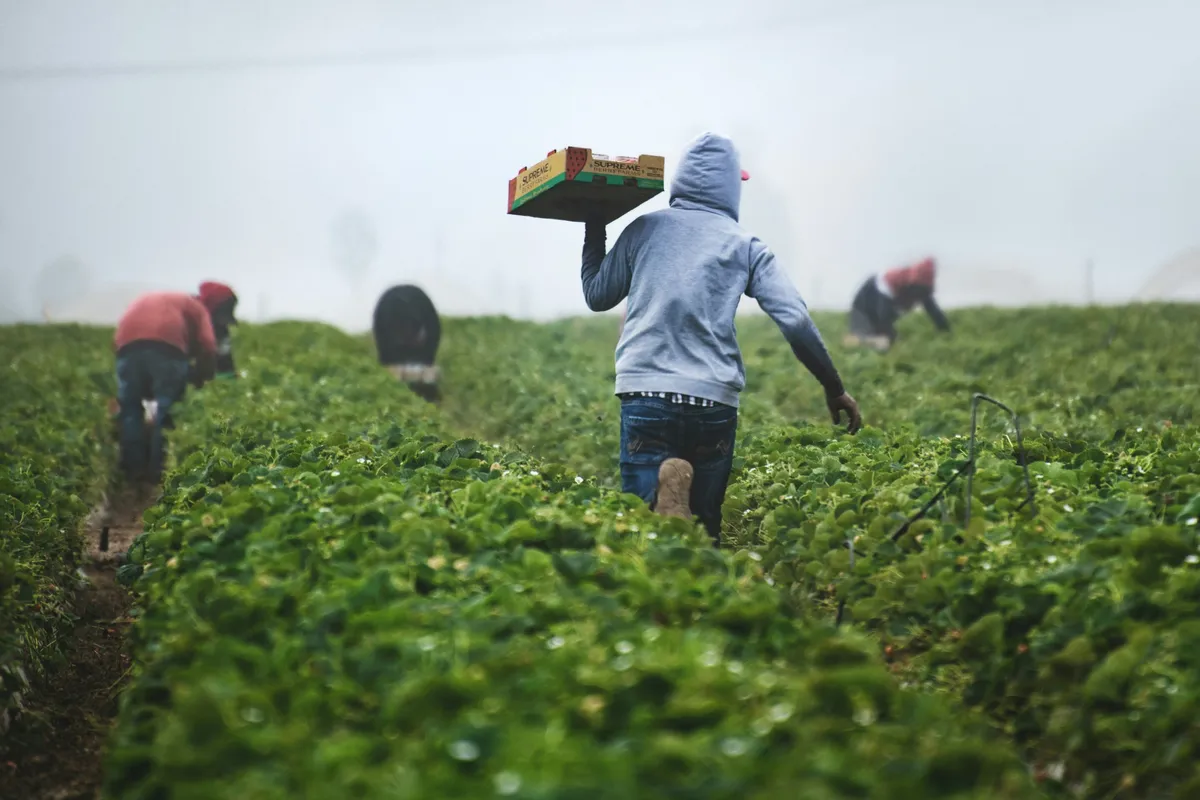
Here's the problem: smallholders don't have the capital or infrastructure to trace their supply chains the way large agribusinesses do. They can't easily afford GPS mapping, blockchain verification systems, or the paperwork auditors expect. Without help, they'll simply be replaced by bigger producers who can.
We're a new kind of news feed.
Regular news is designed to drain you. We're a non-profit built to restore you. Every story we publish is scored for impact, progress, and hope.
Start Your News Detox"One shocking thing is that a lot of smallholders are not even aware of the EUDR yet," says Martin Greijmans, who leads community enterprise programs at RECOFTC, a Thailand-based nonprofit focused on community forests. He's seen this pattern before: well-intentioned regulations that inadvertently push small farmers out of export markets because compliance costs more than their annual profit.
The gap between the rule and the reality on the ground is enormous. Governments haven't launched major awareness campaigns. Private companies buying from smallholders haven't committed resources to help them adapt. Civil society groups are stretched thin. The result is that thousands of farmers who've never cleared a forest in their lives are about to discover they can't sell their crops to Europe.
Greijmans argues the solution requires all three sectors to move simultaneously. Governments need to fund technical assistance and traceability tools specifically designed for small operations—not enterprise-level systems that cost thousands. Companies buying from smallholders need to invest in helping their suppliers comply, treating it as a business cost, not a farmer's problem. Civil society groups should focus on raising awareness now, before 2026 arrives and farmers suddenly find their buyers gone.
The regulation itself isn't the issue. The issue is that it was designed for a supply chain that doesn't exist in much of Southeast Asia. Most smallholders work through informal networks, multiple middlemen, and oral agreements. Forcing them into a system built for transparency without providing the tools to do it fairly will simply shift production to countries with weaker regulations—and likely to larger, less sustainable operations.
With 18 months until implementation, there's still time to build the support infrastructure. Whether governments, companies, and nonprofits will actually do it remains the open question.